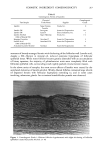
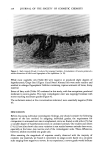
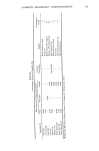
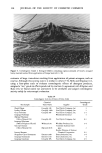
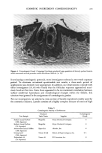
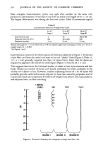
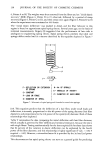
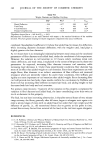
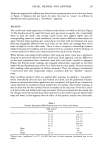
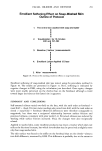
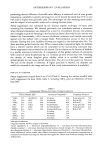
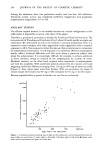
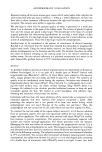
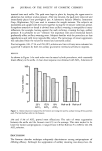
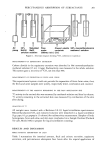
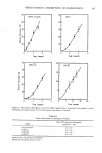
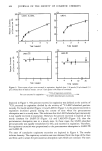
216 JOURNAL OF THE SOCIETY OF COSMETIC CHEMISTS expands on the comedogenic potential of cosmetic raw materials and reports our findings on the activity of several ingredients previously reported by others. METHOD Each test substance was applied once daily, five times weekly, to the external ear canal of three New Zealand rabbits. Since the goal was to achieve a uniform film over the ventral surface of the pinna, the actual amount applied was dependent on the physical form of the test material and ranged from 5-10 mg/cm •. Following the fourteenth application, animals were sacrificed several full-thickness sections of the test site and the contralateral untreated ear were dissected, formalin fixed, cut in cross section to thickness, and stained with hematoxylin and eosin. The microscopic evaluation for comedogenic activity was based on the degree of follicular hyperkeratosis and other morphological changes in the majority of pilosebaceous units when compared to control sections, as described in Table I. In cases where comedogenic scores between Table I Comedogenic Grades Comedogenic Grade Description O--Negative 1--Slight 2--Moderate 3--Moderate 4--Severe 5--Severe Pilosebaceous unit normal in appearance when compared to control (untreated) ear section. Slight increase in keratin content within follicle. Essentially no change in follicular epithelium. Obvious increase in follicular hyperkeratosis some t yperplasia of follicular epithelium. Marked increase of keratin in follicular lumen resulting in a modest distention of follicles. Moderate hyperplasia of follicular epithelium. Dilated follicles containing large amounts of impacted keratin. Extensive hyper- plasia of follicular epithelium. Widely dilated follicles, filled with packed keratin, follicular epithelial hyperpla- sia causing partial or total involution of sebaceous glands and ducts. Possible inflammatory changes. animals differed by a single grade, average scores were assigned or the range of effects described. On rare occasions, when scores deviated more than one grade, the test was repeated. Unless otherwise indicated, all samples were tested undiluted. TEST RESULTS The comedogenic potential of a representative sampling of lanolin and lanolin derivatives (Table II) ranged from negative to severe. Little or no changes were observed in follicles exposed to the whole lanolin mixture and lanolin oil liquid fractions, with the exception of a possible slight increase in keratin when compared to untreated skin sections. Lanolin alcohol produced minimal effects consisting of some enlargement of the follicular lumen and slight hyperkeratosis (Figure 1). Applications of isopropyl lanolate (Figure 2) resulted in expanded follicles which contained large

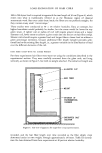
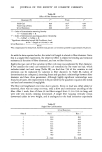
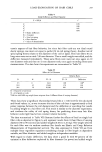
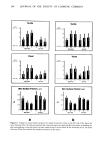
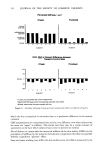
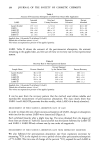
COSMETIC INGREDIENT COMEDOGENICITY 217 Table II Comedogenic Activity of Lanolins Chemical Comedogenic Test Sample Trade Name Supplier Grade Lanolin Super Corona Croda, Inc. 0 Lanolin Lanolin Oil Lanogene Amerchol Corporation 0-1 Lanolin Oil Lantrol Emery Industries, Inc. 1 Lanolin Alcohol Super Hartolan Croda, Inc. 1-2 (30% in Mineral Oil) Isopropyl Lanolate Amerlate-P Amerchol Corporation 3 Lanolin Acid Amerlate-LFA Amerchol Corporation 4 (50% in Mineral Oil) Acetylated Lanolin Alcohol Acetulan Amerchol Corporation 4-5 amounts of loosely-arranged keratin with thickening of the follicular wall. Lanolin acid, despite a 50% dilution in mineral oil, induced extensive hyperplasia of follicular epithelial tissue. While some follicles became greatly distended with an accumulation of horny squamae, the majority of pilosebaceous units were completely filled with follicular epithelial cells, surrounding small, tightly packed circular keratin masses. In the above series of samples, the most severe effects of lanolin were caused by the acetylated derivative of lanolin alcohol. Widely dilated follicles contained large whorls of impacted keratin with follicular hyperplasia extending to, and in some cases involving, sebaceous glands. An occasional intrafollicular pustule was observed. •' .• .•' . .... . , ,• • ? • ... .•. Figure 1. Comedogenic Grade 2. Obvious follicular hyperkeratosis with slight thickening of follicular epithelium caused by Lanolin Alcohol. (x 70)
Purchased for the exclusive use of nofirst nolast (unknown)
From: SCC Media Library & Resource Center (library.scconline.org)