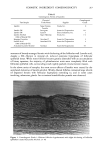
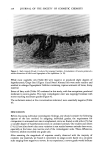
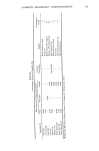
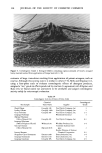
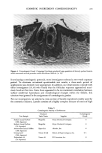
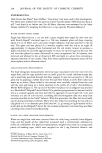
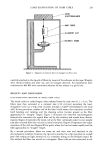
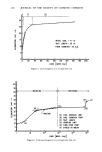
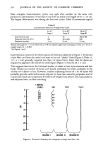
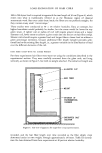
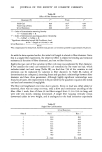
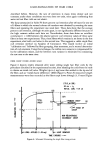
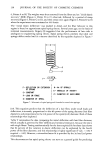
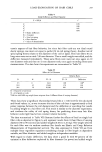
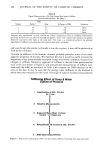
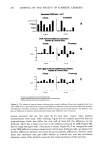
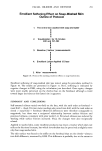
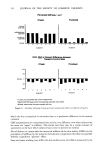
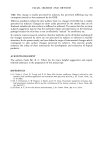
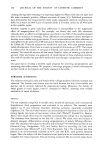
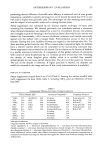
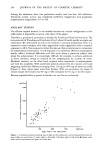
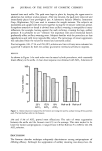
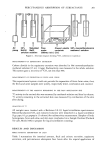
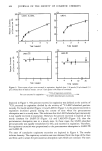
218 JOURNAL OF THE SOCIETY OF COSMETIC CHEMISTS Figure 2. Early comedo (Grade 3) induced by isopropyl lanolate. Accumulation of keratin produced a modest distension of follicle and hyperplasia of the epithelium. (x 70) While most vegetable oils (Table III) were negative or produced slight degrees of hyperkeratosis, Grape Seed (Figure 3) and Sweet Almond oils were more reactive and resulted in enlarged hyperplastic follicles containing copious amounts of loose, horny material. Esters of fatty acids (Table IV) evaluated in this study, with few exceptions, produced moderate to severe grades. The most comedogenic ester was isopropyl linoleate with scores reaching maximum grades (Figure 4). The surfactants tested, at the concentrations indicated, were essentially negative (Table V). DISCUSSION Before discussing individual comedogenic findings, one should consider the following aspects of the test method. In assigning individual grades, the requirement for comparison to untreated test sites is emphasized, since we found, as did others (7), that a variable degree of hyperkeratosis exists in untreated animals. Our studies and others (7-8,12) have also shown that some variation in test results between animals does occur, especially at the lower, less reactive end of the comedogenic scale. These differences, however, seldom exceeded one grade unit. After assessing the magnitude of response usually observed with the majority of cosmetic raw materials, we found it convenient to assign scores based on a six-point scale ranging from negative to severe. In our experience, a severe grade would indicate

COSMETIC INGREDIENT COMEDOGENICITY 219 o=
Purchased for the exclusive use of nofirst nolast (unknown)
From: SCC Media Library & Resource Center (library.scconline.org)