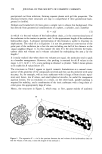
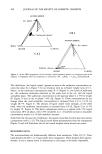
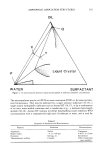
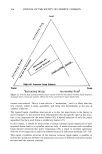
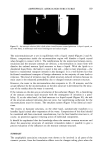
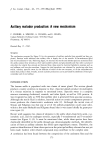
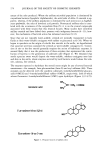
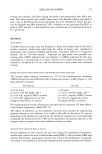
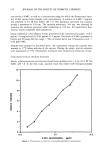
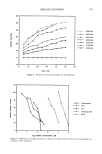
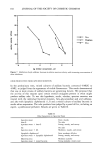
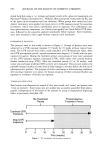
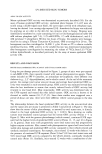
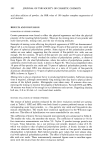
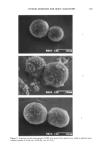
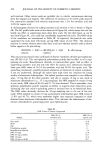
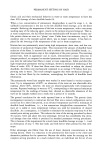
AXILLARY MALODOR 181 -lO i i i i i 10 20 30 40 50 60 lime, min. Figure 5. Inhibition of beta-glucuronidase by glucarolactone. 0.000 mM 0.004 mM 0.010 mM 0.020 mM 0.040 mM 0.130 mM 0.200 mM 120 100 t •{ so • 40 ! ! ._ Glucarolactone Zn ++ Cu ++ o-Phenanthroline EDTA log inhibitor concentration, uM Figure 6. Inhibition of beta-glucuronidase: A decrease in relative reaction velocity with increasing con- centration of five inhibitors.

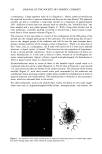
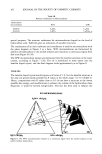
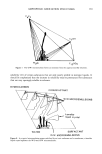
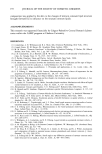
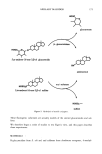
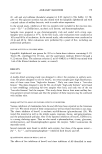
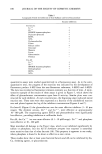
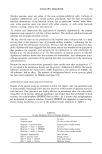
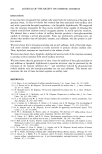
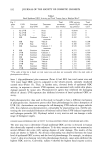
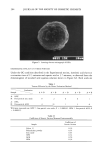
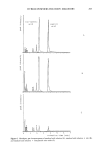
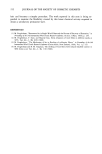
182 JOURNAL OF THE SOCIETY OF COSMETIC CHEMISTS lOO 80 60 20 Cu++ Phosphate log Inhibitor concentration, uM Figure 7. Inhibition of aryl sulfatase: decrease in relative reaction velocity with increasing concentration of three inhibitors. ODOR PRODUCTION FROM APOCRINE SECRETION In the preliminary tests, mixed cultures of axillary bacteria converted 4-MUG to 4-MU, as judged from the appearance of visible fluorescence. This result demonstrated that one or more strains of axillary bacteria are generating beta-G. We proposed that the activity of this enzyme upon certain steroid conjugates present in sweat might produce axillary odor. To test this hypothesis, sterile, odorless, apocrine secretion was treated with the individual bacterial enzymes, beta-glucuronidase and aryl sulfatase, and also with lipophilic diphtheroid (1,3) and a mixed culture of axillary bacteria in sterile saline suspension. The odor produced was judged by a panel of five, including an expert, a professional perfumer. Results are given in Table II. Table II Odor Generation in Apocrine Sweat Apocrine sweat beta-G Apocrine sweat + beta-G AS Apocrine sweat + AS Lipophilic diphtheroid Apocrine sweat q- lipophilic diphtheroid Mixed bacteria Apocrine sweat q- mixed bacteria Faint, musky No odor Strong, musky, and sweaty No odor Moderate, musky, and sweaty Faint moderate off-odor Strong, musky, and sweaty Moderate malodor Strong malodor, sweaty note
Purchased for the exclusive use of nofirst nolast (unknown)
From: SCC Media Library & Resource Center (library.scconline.org)