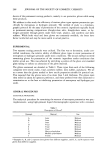
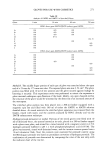
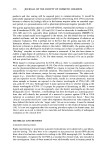
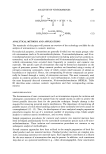
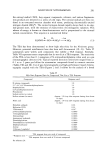
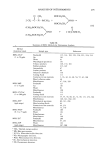
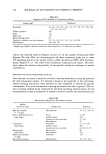
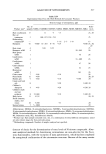
GLOVES FOR USE WITH COSMETICS 271 Table IlI Analysis of GMTG and AMTG in Stretched Gloves Glove 0 min 30 min 60 min 150 min HPLC direct ppm GMTG/DNTB indirect ppm GMTG A 0/0 B 0/0 C 0/0 D 0/0 E 0/0 F 0/0 G 0/0 H 0/0 I 0/0 o/o o/o o/o o/o o/o o/o o/2 o/o HPLC direct ppm AMTG/DNTB indirect ppm AMTG 0/4.15 0/0 0/0 A 0/0 B 0/0 C 0/0 D 0/0 E 0/0 F 0/0 G 0/0 H 0/0 I 0/0 0/0 o/o o/o o/o o/o o/o o/o o/o Method B. The middle finger portion of each type of glove was stretched about the open end ofa 15-mm by 175-mm test tube. The exposed glove area was 2.54 cm 2. The glove portion was filled with 10 ml of test solution and the glove secured against leakage by knotting it securely. This experiment series was performed to mimic the expansion a glove material undergoes upon flexation of the hand. Ideally, any open channels within the structure of the glove would be witnessed by the detection of an increased amount of the mercaptan. The stretched glove portion was then placed into a 200-ml beaker equipped with a magnetic spin bar and filled with 100 ml of either the GMTG or AMTG solution detailed above. At timed intervals the stretched glove apparatus was removed from the beaker, rinsed with water, and the contents analyzed by HPLC directly and via the DNTB enhancement technique. Hydrogen peroxide permeation test method. Portions of the tested gloves were filled with 10 ml of deionized water, the system knotted at its ends, placed in a 200-ml beaker capped with a glass cover plate, and stirred for a timed interval with a magnetic stirrer in 2.5% hydrogen peroxide buffered to pH 3.2 with phosphate/phosphoric acid (0.05 M). The glove was removed, rinsed with deionized water, and the interior contents poured into a 10-ml volumetric flask. Next the contents were examined for peroxide content using the Merckquant peroxide test based on peroxidase conversion of hydrogen peroxide. The combination of peroxide was determined by comparing the color of the test strip with the indicator chart of the test kit.

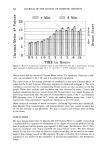
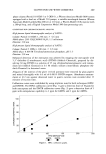
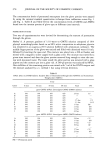
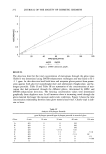
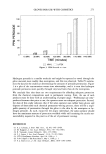
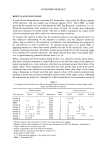
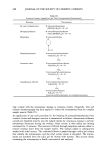
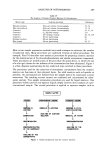
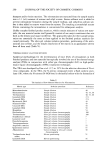
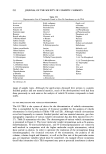
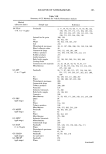
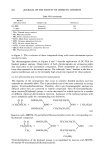
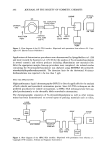
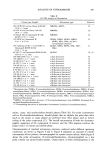
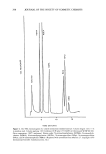
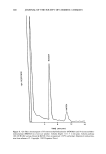
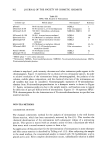
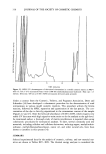
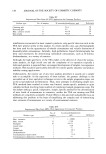
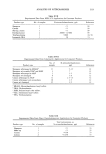
272 JOURNAL OF THE SOCIETY OF COSMETIC CHEMISTS 2.5 1.5 1 0.5 .. 20 40 60 80 100 1 Z0 PPM MERCAPTAN AMTG GMTG •.__• _ _ _ a,c.• - _ _ Figure 2. DTNB calibration graphs. RESULTS The detection limit for the total concentration of mercaptans through the glove types (Table I) was determined using DNTB enhancement techniques and was found to be 3 --- 1 ppm. At this detection level both latex and neoprene gloves protect from perme- ation against both glyceryl monothioglycolate and ammonium thioglycolate, and hy- drogen peroxide. Table II and Table III are summaries of the concentrations of mer- captan that had permeated through the different gloves, determined by HPLC and DNTB enhancement detection. The limiting concentration values were determined graphically from duplicate runs. In all instances there is increasing travel through the glove material the longer the exposure under static conditions. Figure 3 shows the time concentration relationship between latex glove material and vinyl. Clearly vinyl is infe- rior to latex. Table IV Analysis of Hydrogen Peroxide ppm Hydrogen peroxide/ppm hydrogen peroxide in stretched glove Glove 0 min 10 min 30 min 60 min 150 min A 0/0 0 0 0/0 B 0/0 0 0 0/0 C 0/0 0 0 0/0 D 0/0 0 3/3 10 E 0/0 0 1 1 F 0/0 0 1 1/3 G 0/0 0 0 0 H 0/0 0 0 0 I 0 0 0 0 / 10 10/ /3 / 100
Purchased for the exclusive use of nofirst nolast (unknown)
From: SCC Media Library & Resource Center (library.scconline.org)