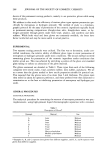
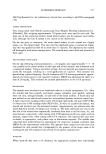
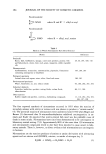
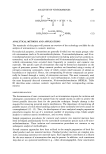
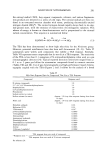
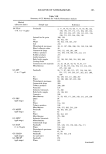
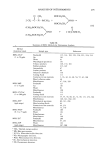
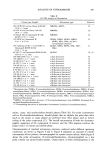
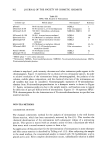
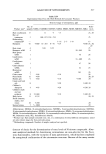
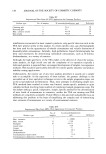
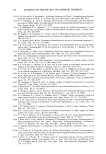
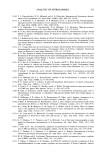
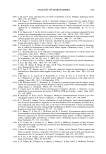
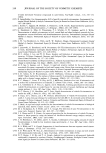
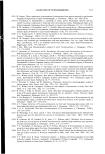
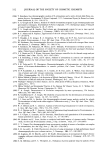
ANALYSIS OF NITROSAMINES 293 Table VIII Summary of GC Methods for Volatile Nitrosamine Analysis Method (detection limit) Sample type References GC-TEA a Foodstuffs 2, 37, 39, 46, 65, 68, 71, 75, 87, 89, 106, (0.1 to 5 ppb) 138, 139, 155, 174, 176, 184, 185, 190, 202, 223, 224, 227, 229, 232, 235, 236, 240, 251, 252, 264, 290, 310 Animal feed & grain 186, 228 Air 86, 102, 163 Water 90, 102, 158, 165, 239 Soil 243 Physiological specimens 38, 41, 107, 204, 208, 226, 230, 238, 285 Blood collection tubes 40 Commercial drugs 104, 212, 146, 283, 284 Tobacco products 151, 169, 178, 180, 195, 222, 233 Rubber products 215 Leather products 69 Baby bottle nipples 92, 110, 201, 209, 214, 282, 308 Cutting fluids 177 Cosmetics & raw materials 25, 26, 28, 29, 30, 44, 76, 95, 177 Miscellaneous 27, 47, 84, 153, 164, 194, 213, 216, 218, 225, 242, 248 GC-MS b Foodstuffs 46, 77, 87, 103, 123, 127, 154, 166, 183, (1 to 5 ppb) 231, 237, 241, 244, 247, 262, 267, 280, 309 Air 82, 128, 163, 211, 280, 287 Water 82, 148, 160, 165, 239, 280 Physiological specimens 280 Commercial drugs 280 Tobacco products 200, 280 Pesticides 124 Industrial chemicals 76, 280 Baby bottle nipples 20, 110, 201 Cosmetics 306 Miscellaneous 35, 59, 164, 171, 206, 249, 253, 254, 268 GC-FID' Quats 94 (ppb range) Air 157 Water 134, 144 Tobacco products 109 Miscellaneous 164, 175, 205, 245, 250 GC-AFID d Foodstuffs 46, 103, 183, 267 (ppb range) Air 82 Water 82, 162, 165 Miscellaneous 255, 266 GC-NPD e Industrial chemicals 76 (ppb range) Alkanolamines 292 Commercial drugs 269 GC-ECD f Foodstuffs 103, 120, 135, 150, 190, 256, 271 (1 to 50 ppb) Water 134, 144 Physiological specimens 208, 285 Cosmetics 45, 58 GC-CECD g Foodstuffs 36, 87, 103, 270 (ppb range) Air and water 82 GC-HECD • Foodstuffs 258 (ppb range) Water 165 (continued)

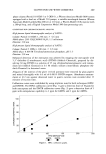
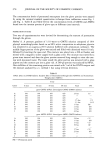
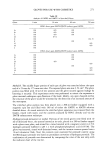
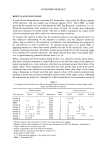
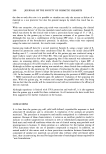
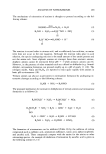
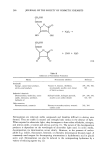
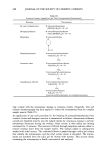
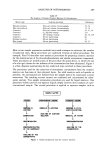
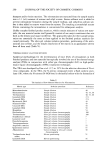
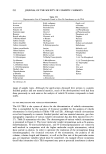
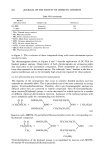
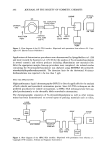
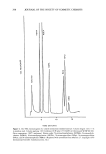
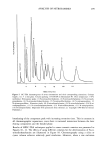
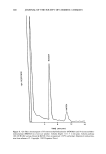
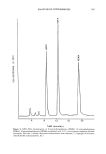
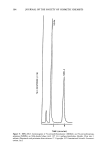
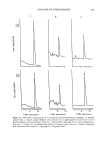
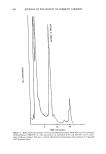
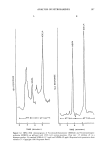
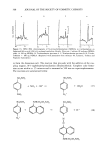
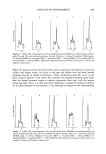
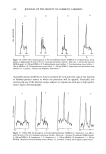
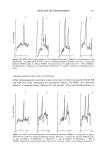
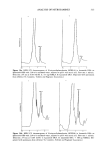
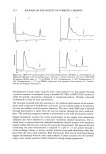
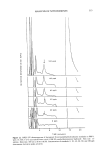
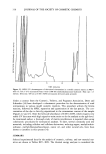
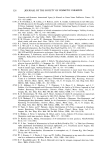
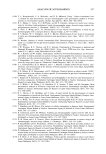
294 JOURNAL OF THE SOCIETY OF COSMETIC CHEMISTS Table VIII (continued) Method (detection limit) Sample type References GC-PID i Cosmetics 305 ( 1 ppb) Foodstuffs 130 TEA, Thermal energy analyzer. MS, Mass spectrometer. FID, Flame ionization detector. AFID, Alkali flame ionization detector. NPD, Nitrogen-phosphorus detector. ECD, Electron capture detector. CECD, Coulson electrolytic conductivity detector. HECD, Hall electrolytic conductivity detector. PID, Photoionization detector. in Figure 5. The co-elution of these compounds along with some nitrosamine species can also be seen. The chromatograms shown in Figures 6 and 7 describe applications of GC-TEA for finished product analysis. Characteristic of both chromatograms are extraneous peaks that elute prior to the nitrosamine components. These components are a contribution from other materials in the sample matrix. The relatively "noisy" baseline is also due to matrix interferences and to the extremely high sensitivity required for these analyses. GC-TEA APPLICATIONS FOR NONVOLATILE NITROSAMINES The majority of the nitrosamines that occur in cosmetic finished products and raw materials are thermally labile. This is particularly true of the most commonly occurring species, N-nitrosodiethanolamine. Therefore, direct gas chromatographic analyses are difficult unless they are converted to volatile compounds. Since N-nitrosodiethanola- mine contains [3-hydroxyl groups, it can be derivatized to volatile species by a number of different chemical derivatization reactions. Acylation of the hydroxyl groups with acetic anhydride yields the corresponding acyl derivative: O O 2 CH3COCCH 3 + HOCH2CH 2 CH3CO2CH 2CH 2 \ \ NNO---) NNO + 2 CH3CO2H / / HOCH2CH2 CH3CO2CH2CH 2 (14) Reaction with MBTFA (N-methylbistrifluoroacetamide) yields the corresponding tri- fluoroacetyl compound: O O HOCH2CH 2 CF3CO2CH2CH 2 CF3C•qCCF 3 q- NNO ---) NNO / / CH 3 HOCH2CH2 CF3CO2CH2CH 2 + CH3NH2 (15) Trimethylsilylation of the hydroxyl groups is accomplished by reaction with MSTFA (N-methyl-N-trimethylsilyltrifluoroacetamide):
Purchased for the exclusive use of nofirst nolast (unknown)
From: SCC Media Library & Resource Center (library.scconline.org)