j. Soc. Cosmet. Chem., 41, 267-273 (September/October 1990) The evaluation of gloves for protection against cosmetic ingredients ANDREW SAVAIDES, THOMAS SCHULTZ, and LUDWIG SALCE, Dr. Everett C. McDonough Research Laboratories, ZOTOS International Incorporated, Darien, CT 06820-1005. Received August 16, 1990. Synopsis The efficiency of vinyl, plastic, and latex type gloves was evaluated based upon the resistance permeation by the following cosmetic ingredients: ammonium thioglycolate (AMTG), glycerylmonothioglycolate (GMTG), and hydrogen peroxide. The permeation glove resistance studies included immersion of the middle glove finger containing 10 ml deionized water into 19% GMTG, 12% AMTG, and 2.5% hy- drogen peroxide. Aliquots were analyzed by HPLC and UV/visible. Quantitative HPLC and UV/visible assay results indicate that latex-type gloves exhibit the highest perme- ation resistance towards these cosmetic ingredients. Thus, with proper use of latex gloves, salon technicians and cosmetologists may limit their exposure to these ingredients. BACKGROUND In the practice of the art of hair care salon operators are often exposed to products that contain reactive ingredients, that is, the cosmetic compositions that contain the mate- rials that permit color development, permanent waving, and hair bleaching. While with occasional use of these products there is a minimal possibility of a type of contact dermatitis to the client, the cosmeticJan can often be in contact several times a day, and in rare instances, the dermis may become irritated. It has been reported that some of the chemical agents used in the practice of personal and beauty care can cause varying types of contact dermatitis (1-3). The most no- torious of these chemicals are constituents of detergents--for example, the salts and ethers of lauryl sulfates. fragrance compositions, dyestuffs such as derivatives of phen- ylene diamines, and mercaptans used in permanent waving. The appearance of irritancy has been documented for the practioners of the art, beauty salon operators. In some cases the clients of the salon, who experience sporadic contact with these materials, may be atopic and hence susceptible to sensitization responses. In 1983 Storrs (4) indicated that the active ingredients in acid and alkaline permanent- waving compositions, GMTG or AMTG, are allergens, although the incidence is low, less than 0.01-0.02% as determined from epidemiological data presented by various permanent wave suppliers [presented to the Cosmetic Ingredient Review Board of the CTFA (5,6)]. In rare occurances the people who perform numerous permanent-waving processes each day can become sensitized. Storrs (7) supports the advice of some pro- 267

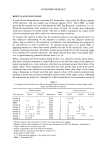
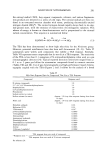
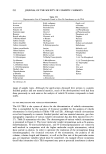
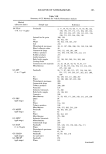
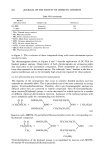
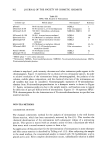
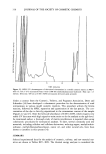
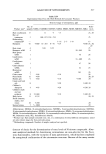
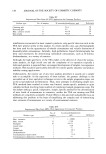
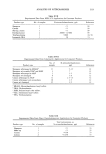
268 JOURNAL OF THE SOCIETY OF COSMETIC CHEMISTS ducers of the permanent-waving products, namely to use protective gloves while using these products. We address in this study the efficiency of various glove types against permeation spe- cifically by mercaptans or hydrogen peroxide. The method of study is a chromato- graphic protocol for the assay of permeation of the cosmetic ingredients typically found in permanent-waving compositions (thioglycolate salts, thioglycolate esters, or hy- drogen peroxide) through gloves made from vinyl, plastics, and synthetic and latex rubbers. While both vinyl and latex gloves are commonly available, the latter have better tactile feel and may be more useful in actual practice. EXPERIMENTAL Two separate testing protocols were utilized. The first was to determine, under con- trolled conditions, the relative ability of different glove types to resist permeation of mercaptans or hydrogen peroxide under static conditions. The second method involved examining gloves for permeation of the cosmetic ingredient under conditions that mimic actual use. This was achieved by stretching a portion of the glove over standard glass tubing to enforce an alteration of the glove material. The gloves examined are detailed in Table I. Three types from each of the following categories were tested: nylon, vinyl, synthetic rubber, latex rubber, and plastic. We set as a caveat that the gloves needed to have tactile properties suitable for practical use. This required that the gloves were of no more than 5-mil thickness. The gloves were then tested in salons for operator preference, and those prefered were then subjected to examination as to the best at inhibiting permeation of mercaptans and hydrogen per- oxide. GENERAL PROCEDURES ANALYTICAL PROCEDURE The analytical procedure for examining the amount of mercaptan permeation was spec- trophotometic, using high-pressure liquid chromatographic separation with a reversed- Table I Description of Gloves* Example Material Size A Latex Medium B Latex Medium C Latex Medium D Vinyl Medium E Vinyl Medium F Vinyl Medium G Heavy polyethylene Medium H Medium polyethylene Medium I Trionic Medium * Examples A, B, and C represent latex gloves from different suppliers, and D, E, and F represent vinyl gloves from different suppliers.
Purchased for the exclusive use of nofirst nolast (unknown)
From: SCC Media Library & Resource Center (library.scconline.org)