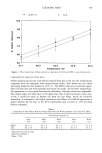
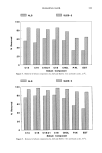
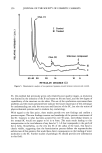
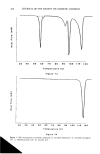
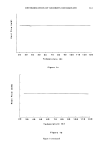
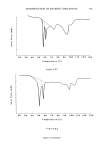
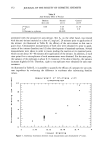
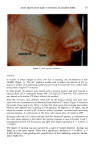
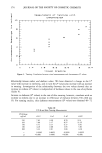
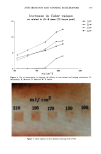
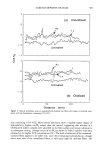
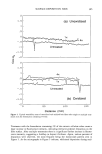
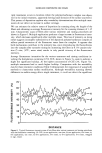
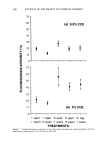
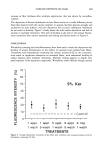
SURFACE DEPOSITS ON HAIR 385 1.5 .5 -.5 -1 -1.5 -2 (a) Unoxidized ß lx _ ' 4x 1.5 .5 -.5 -1 -1.5 -2 4x ß I I I 0 50 loo 150 Distance (mm) Figure 4. Typical wettability scans of unoxidized and oxidized hair fibers after single or multiple treat- ments with the formulation containing 5% Ker. Treatment with the formulation containing 2% of the cationic cellulose ether causes a large increase in fluorescence intensity, indicating extensive polymer deposition on the fiber surface. After multiple treatments there is a significant further increase in fluores- cence intensity, suggesting a buildup in deposit thickness. Again, various patterns of deposition were observed, the most frequent being the honeycomb pattern seen in Figure 5. As the micrographs in Figure 5 indicate, additional deposition during mul-

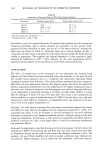
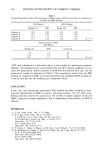
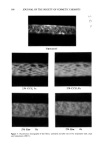
386 JOURNAL OF THE SOCIETY OF COSMETIC CHEMISTS Untreated 2% CCE, Ix 2% CCE, 5x 5% Ker ix 5 % Ker 5x Figure 5. Fluorescence micrographs of hair fibers, untreated and after one or five treatments with a hair care formulation (280 X ).
Purchased for the exclusive use of nofirst nolast (unknown)
From: SCC Media Library & Resource Center (library.scconline.org)