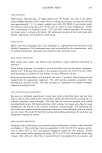
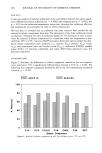
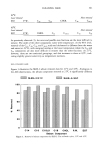
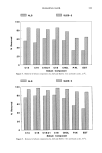
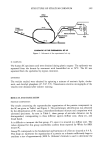
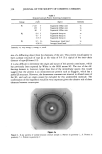
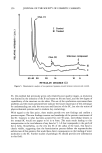
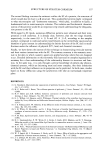
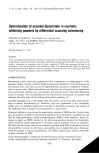
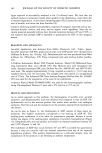
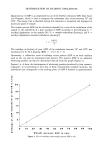
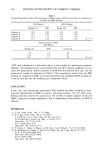
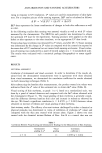
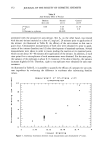
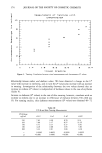
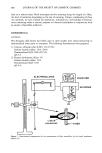
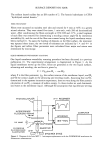
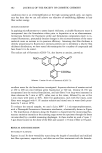
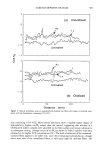
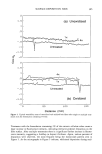
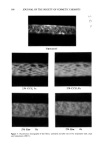
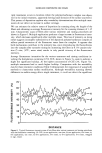
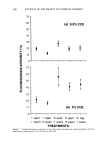
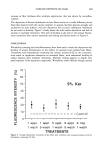
CLEANING HAIR 343 • ALS • SLES-2 100 8O 6O 4O 2O 0 C14 C16 C18:21 Cl 8 CHOL P.W. EST Sebum Component Figure 4. Removal of sebum components by ALS and SLES-2: Ten soil/wash cycles, 2 IøC. • ALS • SLES-2 o E lOO 8o 6o 4o 2o C14 C16 C18:21 C18 CHOL P.W. EST Sebum Component Figure 5. Removal of sebum components by ALS and SLES-2: Ten soil/wash cycles, 43øC.

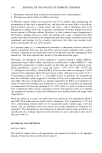
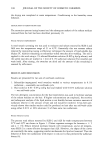
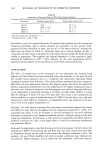
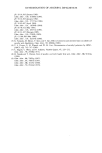
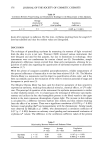
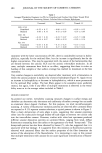
344 JOURNAL OF THE SOCIETY OF COSMETIC CHEMISTS Table II Comparison of Squalene Removal With Total Sebum Removal Treatment Squalene removed (%) Total sebum removed (%) ALS/21 28.92 46 + 6 ALS/43 88.6 + 9.82 64 +- 18 SLES/21 67.7 + 5.7 71 + 5 SLES-43 95.3 -+ 8.1 90 + 2 One data point only all others n = 3. Percent removed--mean + SD. the residues, since the original literature (2) reported that squalene and the drying and extraction procedures used to obtain residues are equivalent. In this present work, squalene has been identified in some, but not all, of the sebum residues. Averages for these data are shown in Table II. Although there are a limited number of data, a comparison of these values with those for total sebum removed (Table II) shows they are similar in magnitude. This supports our original hypothesis (1) that squalene is easily removed by surfactants at 43øC (-90% removal). At the lower temperature (21øC), squalene removal appears to be equivalent to total sebum removal from hair. CONCLUSIONS The effect of temperature on the detergency of two surfactants for cleaning lipid (sebum) soil from keratin has been examined using two methods: (i) the wool swatch/ dye method (wool substrate) and (ii) a technique that determines individual sebum component removal (hair substrate). The results of these methods have been compared. Data from the hair experiments indicate that slightly greater selectivity for removal of sebum components is exhibited by the test surfactants at the higher temperature than at the lower one. Statistical analysis of the data suggests that relative surfactant efficiency at one temperature is essentially the same at the other. In other words, SLES-2 is a more effective detergent at both 2 IøC and 43øC than ALS. This result is not unexpected and can be explained in terms of surfactant theory (4): SLES-2 has the lower cmc, and such materials are more effective detergents. A comparable result was obtained in the pre- vious work at the higher temperature (1). Similarly, the wool swatch technique that determines total sebum removal also shows that SLES-2 is more effective throughout the test temperature range (21øC-43øC). It is concluded that while it may be necessary to use the extended-use ten-cycle soil/wash technique occasionally to test shampoo/surfactant systems, adequate testing can be done using one temperature. Furthermore, a more rapid wool swatch/dye procedure may be a preferred screening test data in this paper show it is valid for observing temperature and surfactant effects. Although the experiments described here [and in the previous paper (1)] have shown the superiority of SLES-2 for removing oily soil from hair, one must caution that these data in themselves should not be used as sole criteria for shampoo surfactant choice. For example, the use of foam modifiers and other secondary surfactants may influence oily soil removal. Other attributes, such as lather feel and rinsability, which are very im-
Purchased for the exclusive use of nofirst nolast (unknown)
From: SCC Media Library & Resource Center (library.scconline.org)