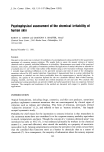
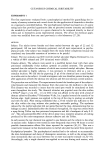
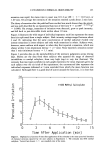
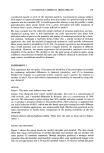
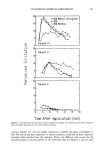
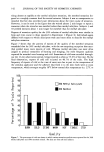
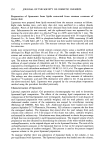
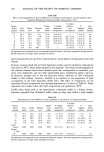
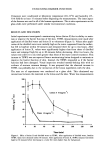
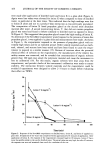
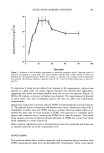
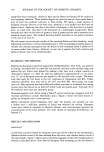
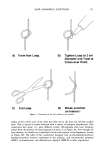
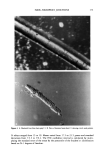
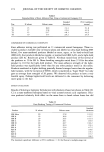
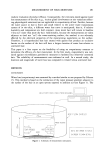
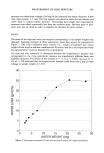
HAIR-HAIRSPRAY JUNCTIONS 171 A) Form Hair Loop. B) Tighten Loop to 2 cm Diameter and Treat at Cross-over Point. c) Cut Loop. D) Break Junction on Instron. © Figure 1. Illustration of the knot adhesion test method. replica of the cuticle scale of the other hair that was in the knot but has been pulled away. This is typical of results obtained with a variety of hairspray formulations. One commercial hair spray, C1, gave different results. Micrographs after knot breaking always show the presence of many fragments of resin, as in Figure 4A. Even though the resin shatters, we usually see a replicated cuticle scale pattern in the fragments, as seen in Figure 4B. The label of this commercial hairspray lists octylacrylamide/acrylates/ butylaminomethyl acrylates copolymer as the polymer, and aminomethyI propanol (AMP), cyclomethicone, and dimethicone colpolyol (DMCP) as other ingredients.

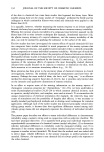
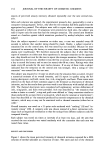
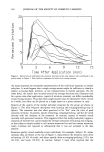
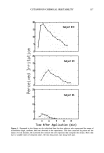
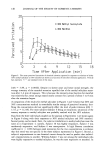
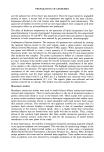
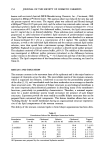
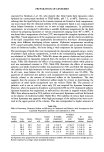
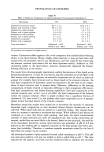
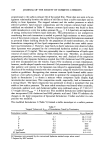
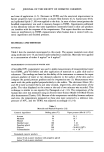
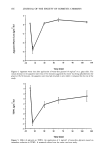
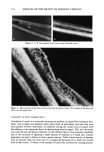
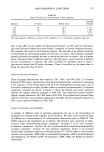
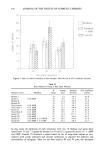
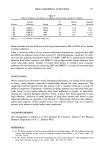
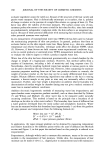
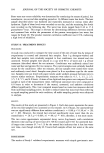
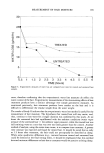
172 JOURNAL OF THE SOCIETY OF COSMETIC CHEMISTS Figure 2. A, B. Micrographs of hair knots using Nomarski optics. Figure 3. Typical picture of hair-hair junction area after separation of knot. Note replica of the other hair left in the hair spray resin. VARIABILITY OF KNOT ADHESION DATA Variability of results is a commonly encountered problem in single-fiber testing of hair. Hairs vary in shape and diameter when taken from an individual, and may vary even more greatly between individuals. In adhesion testing the surface area of contact with the adhesive is an important factor in determining bond strength. This will obviously vary with the size and shape of the hair. In this method there is also potential variability due to the necessity of applying a small amount of material to a small area. Inexact placement can lead to failure to form a good junction. Table I shows results of separate tests of solution from the same can of a commercial hairspray (C1). Each test started with 20 hair knots. N robust is the number of knots that survived the cutting process.
Purchased for the exclusive use of nofirst nolast (unknown)
From: SCC Media Library & Resource Center (library.scconline.org)