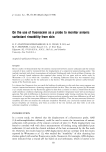
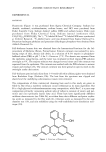
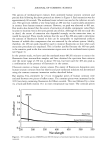
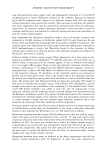
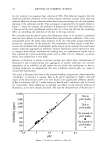
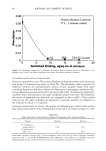
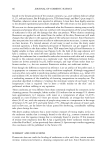
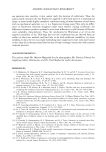
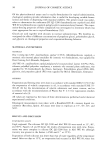
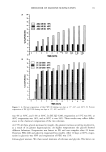
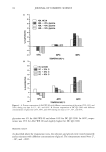
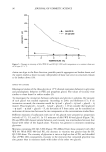
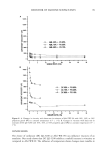
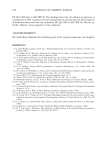
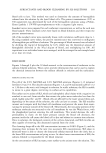
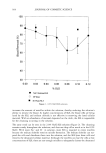
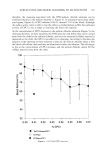
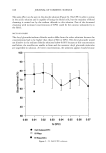
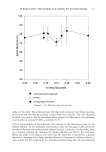
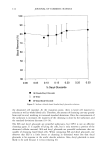
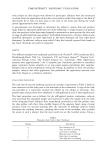
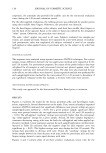
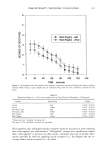
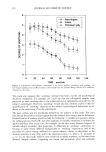
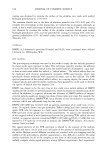
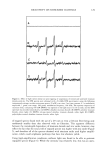
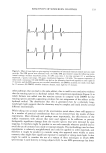
104 JOURNAL OF COSMETIC SCIENCE lOO 90 80 o 70 E o 60 o 50 40 30 0.00 I I I I 0.02 0.04 0.06 0.08 % SLS ß NaC1 Solution/SLS O DI Water ß DI Water/SLS Figure 1. 0.9% NaC1/SLS solutions. I 0.10 0.12 increases the amount of micelies within the solution, thereby reducing the solution's ability to remove the blood. At higher concentrations of SLS, the blood cells are being lysed by the SLS, and sodium chloride is not effective in removing the lysed cellular material. With an abundance of material deposited on the cloth, the SLS is responsible for the cleansing occurring in the solution. The same trend can be seen in the 2.0% NaC1/SLS solution (Figure 2). The cleansing remains steady throughout the solutions, and does not drop off as much as in the 0.9% NaCI. With more Na + and CI- in solution, more SLS is required to create micelles because the sodium chloride restricts micelle formation. The sodium chloride can sus- pend the cells and distribute them into the solution, and the SLS lyses these cells and removes the denatured cellular material. Although the micelies can lyse the cells at low concentrations of SLS, there are not enough micelies to adequately cleanse the denatured

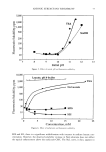
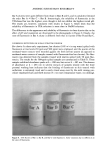
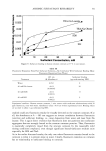
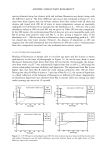
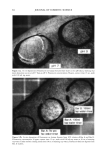
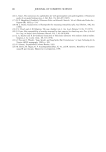
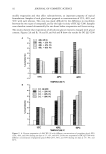
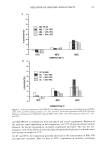
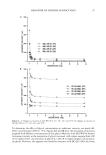
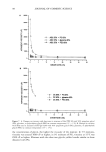
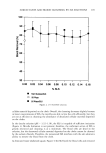
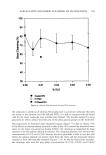
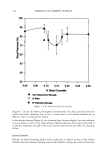
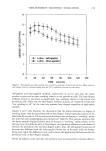
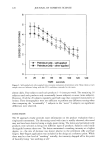
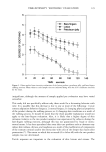
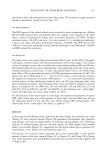
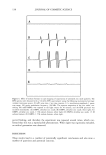
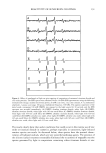
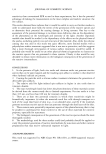
SURFACTANTS AND BLOOD CLEANSING BY SLS SOLUTIONS 105 [ ß o o o 90 80 70 60 50 40 30 0.00 0.02 0.04 0.06 0.08 0.10 0.12 % SLS ß NaCI Solution/SLS 0 DI Water ß DI Water/SLS Figure 2. 2% NaC1/SLS solutions. I 0.14 0.16 cellular material deposited on the cloth. Overall, the cleansing decreases slightly because in lower concentrations of SLS, the micelles are able to lyse the cells efficiently, but they are not as efficient in cleansing the abundance of denatured cellular material deposited on the cloths. In the douche solution (pH = 3.32-3.38), the SLS is incapable of sufficient ionization (Figure 3). Micelie formation is not present therefore, the surfactant action of SLS is greatly restricted and cleansing is at a minimum. The blood cells are lysed in the solution, but the denatured cellular material deposited on the cloths cannot be cleansed by the sodium chloride. Therefore, the nonionized SLS interferes with the salt solution's ability to remove the blood from the cloth. In deionized water (darkened square, Figure 3) the SLS lysed the blood cells and removed
Purchased for the exclusive use of nofirst nolast (unknown)
From: SCC Media Library & Resource Center (library.scconline.org)