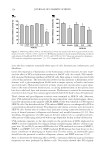
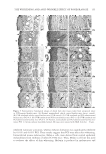
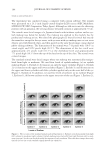
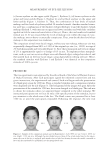
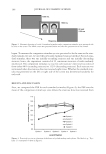
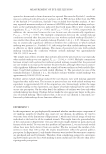
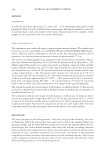
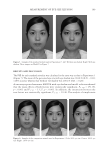
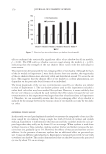
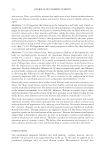
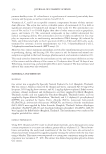
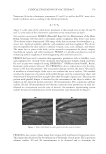
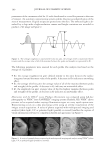
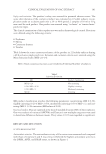
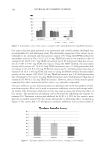
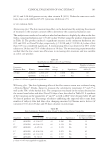
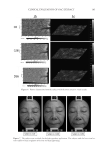
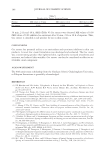
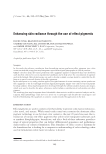
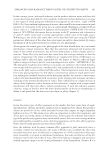
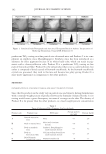
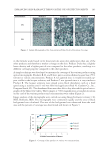
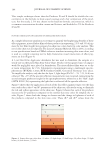
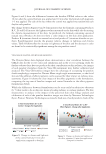
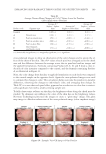
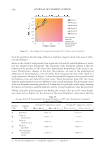
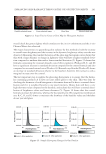
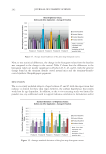
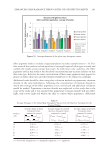
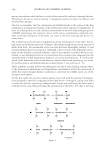
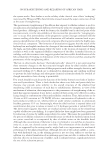
MEASUREMENT OF EYE SIZE ILLUSION 169 RESULTS AND DISCUSSION The PSE for each standard stimulus was calculated in the same way as that in Experiment 1 (Figure 7). The mean of the perceived eye size with eye shadow was 104.8 % (S.D. = 0.83 110% in area), whereas that without eye shadow was 100.1% (S.D. = 0.20). A two-way repeated-measures ANOVA with eye shadow and model as factors showed that the main effects of both factors were statistically signifi cant, F1, 103 = 471.98, p 0.001 and F5, 515 = 13.27, p 0.001. In addition, the interaction between the two factors was statistically signifi cant, F5, 515 = 10.46. The analysis of simple main Figure 5. Samples of the standard stimuli used in Experiment 2. Left: Without eye shadow. Right: With eye shadow. These images are Model E in Figure 7. Figure 6. Samples of the comparison stimuli used in Experiment 2. Left: 90% eye size. Center: 100% eye size. Right: 110% eye size.

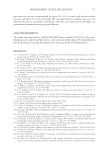
JOURNAL OF COSMETIC SCIENCE 170 effects confirmed the statistically significant effect of eye shadow for all six models, p 0.001. The PSE with eye shadow was not equal among the models, p p.001, indicating that the strength of the eye shadow effect varies with the individual to some extent. This experiment demonstrated the eye-enlarging effect of eye shadow. Although the faces of the six models in Experiment 2 were fairly distinct from one another, the magnitudes of the eye shadow illusion were relatively stable and distributed around 5% across the six faces. This suggests that the illusory effect of eye shadow is a robust phenomenon, not dependent on the particular facial features of an individual. The mean magnitude of the eye size overestimation caused by eye shadow was similar to that of Experiment 1. The eye shadow palette used in this experiment included a rather dark color that may have worked like eyeliner. However, it seems unlikely that the eye size illusion is induced by such eyeliner-like effect alone, because the eye size overestimation in this experiment was larger than that of eyeliner alone in Experiment 1. Therefore, we can reasonably assume that the eye-enlarging effect of eye shadow is induced by the synergy between the various colors of eye shadow, not only by the dark- est color. GENERAL DISCUSSION In this study, we used psychophysical methods to measure the magnitude of eye size illu- sions caused by eye makeup. Using a single face with 20 levels of eyeliner and eyelash makeup, Experiment 1 demonstrated that mascara and false eyelashes make the eyes ap- pear larger than they really are by about 6% on an average. When eyeliner is used alone without mascara or false eyelashes, making eyeliner thicker and darker increases the per- ceived eye size gradually up to 5%. However, the effects of mascara and eyeliner are not additive. In the presence of mascara, eyeliner has no additional effect on perceived eye size. Using six different individual faces, Experiment 2 measured perceived eye size with or without eye shadow. The results demonstrated that eye shadow increases the perceived eye size by about 5% on an average. Figure 7. Perceived eye size with/without eye shadow for each model.
Purchased for the exclusive use of nofirst nolast (unknown)
From: SCC Media Library & Resource Center (library.scconline.org)