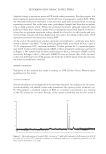
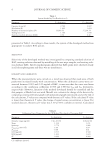
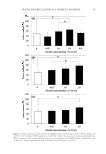
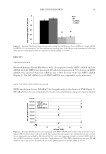
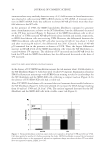
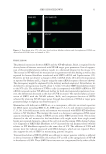
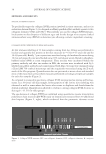
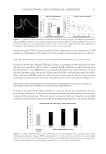
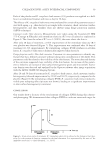
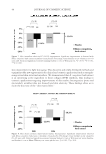
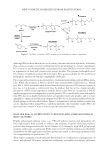
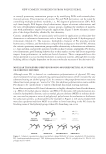
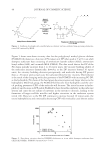
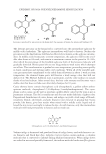
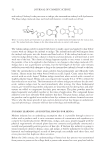
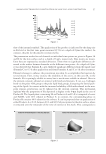
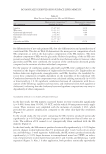
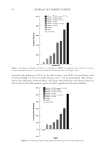
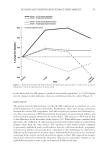
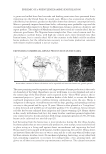
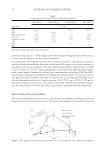
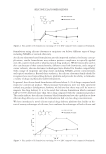
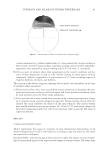
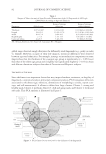
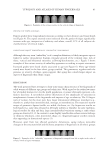
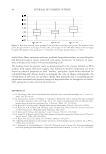
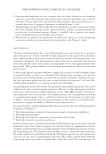
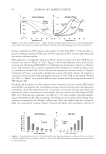
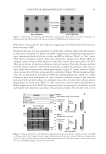
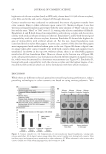
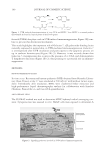
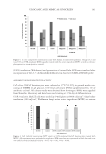
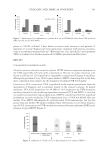
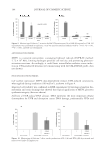
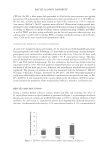
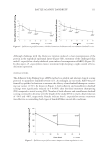
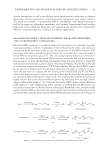
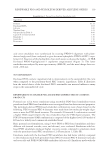
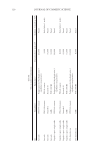
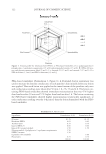
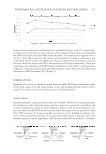
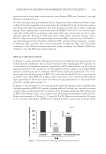
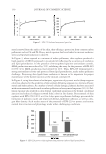
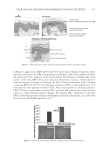
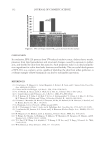
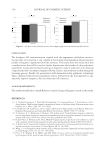
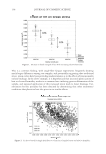
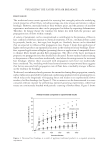
BATTLE AGAINST DANDRUFF 111 Although challenge with the Malassezia mixture induced a clear overexpression of the protein in the superfi cial epidermal layers (Figure 3H), treatment of the challenged skin with E. angustifolium clearly inhibited yeast-induced overexpression of hBD3 (Figure 3I). In this aspect, E. angustifolium extract treatment helps keeping a tight control of beta- defensins expression. CLINICAL STUDIES The Adherent Scalp Flaking Score (ASFS) method is a reliable and relevant clinical scoring protocol to quantitate dandruff severity (15). Accordingly, in our study, ASFS was per- formed by qualifi ed technicians to measure the effi cacy of antidandruff shampoos contain- ing our extract (1.5%). As shown in Figure 4, both adherent and nonadherent dandruff scorings were signifi cantly reduced ( p 0.0001) after the third treatment shampooing (D9) compared to initial scoring (D0). Number of both adherent and nonadherent dandruff scoring continued to decrease over the length of the study (D30) to reach a fi nal reduction of -54% and -48%, respectively. Results indicate that E. angustifolium extract treatment was effective in controlling both types of dandruff fl akes in real-life conditions. Figure 4. Epilobium angustifolium extract inhibits formation of adherent and non-adherent dandruff in vivo. Figure 5. Epilobium angustifolium extract improves sebum regulation in vivo.

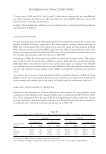
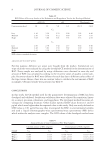
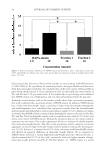
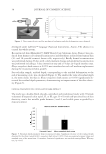
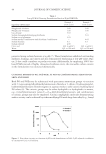
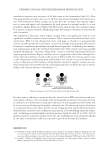
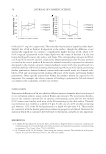
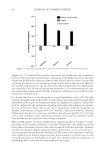
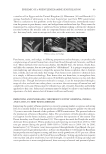
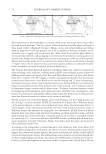
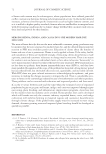
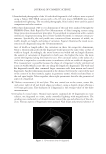
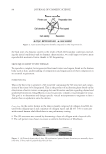
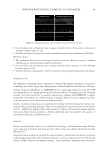
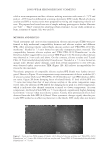
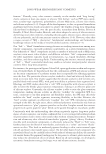
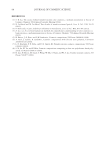
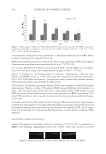
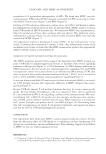
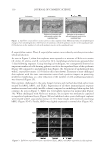
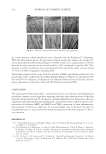
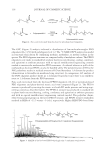
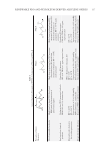
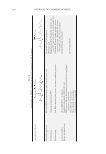
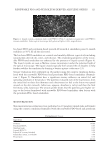
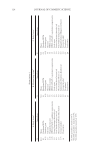
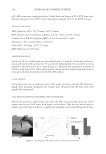
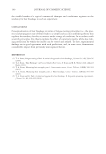
JOURNAL OF COSMETIC SCIENCE 112 In a same manner, sebum production was evaluated with the Sebumeter® technology. With this photometric device, the total mass of lipids excreted by surface unit (in μg/cm²) can be quantifi ed by refl ectometry (Figure 5). At D15, there was a signifi cant (p 0.0001) decrease in sebum production on treated scalp by -58% compared to baseline (D0). The decrease in sebum production was continuous until the end of the study to reach a fi nal -67% (p 0.0001) compared to baseline (D0). Visual improvement of the scalp, both for quantity of fl akes and sebum production, was clearly noticeable, as shown by macrophotography (Figure 6). Photos of scalp taken at D0 D3 and D30 on volunteer 20 displayed less adherent fl akes on hair and scalp, and less greasy appearance at the end of the study (D30) before treatment (D0). CONCLUSION The study reported here identifi es E. angustifolium extract as an effi cient antidandruff and antisebum cosmetic active ingredient targeting the three main characteristics of the skin disorder (sebum production, SC disruption, and skin infl ammation). We propose that one important molecular mechanism underlying E. angustifolium extract effi cacy involves nor- malization of defensins (hBD2 and hBD3) and TLR2 expression to limit infl ammatory skin response to Malassezia infection. To our knowledge, this is the fi rst time that an antidandruff active is associated with immunomodulation of the skin response to Malas- sezia invasion. REFERENCES (1) C. Pierard-Franchimont, E. Xhaufl aire-Uhoda, and G. E. Pierard, Revisiting dandruff, Int. J. Cosmet. Sci., 28(5), 311–318 (2006). (2) J. R. Schwartz, A. G. Messenger , A. Tosti, G. Todd, M. Hordinsky, R. J. Hay, X. Wang, C. Zachariae, K. M. Kerr, J. P. Henry, R. C. Rust, and M. K. Robinson, A comprehensive pathophysiology of dandruff and seborrheic dermatitis - towards a more precise defi nition of scalp health, Acta. Derm. Venereol., 93(2), 131–137 (2013). (3) J. R. Schwartz, C. M. Cardin, and T. L. Dawson Jr., “Dandruff and Seborrheic Dermatitis,” in Textbook of Cosmetic Dermatology, 3rd Ed., R. Baran and H. I. Maibach. Eds. (CRC Press, London, New York, 2004), pp. 259–272. Figure 6. Epilobium angustifolium extract improves scalp appearance.
Purchased for the exclusive use of nofirst nolast (unknown)
From: SCC Media Library & Resource Center (library.scconline.org)