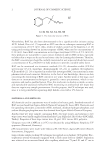
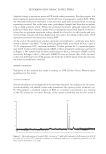
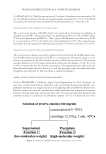
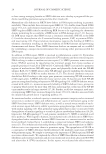
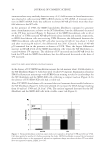
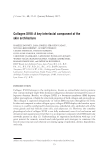
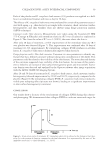
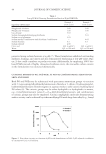
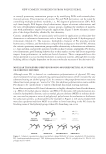
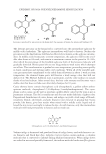
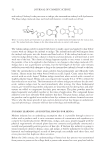
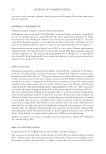
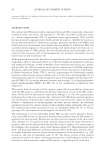
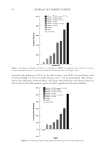
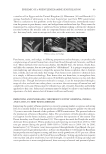
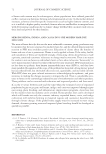
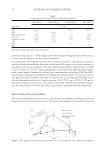
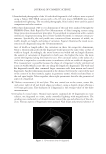
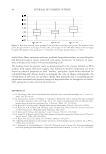
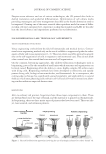
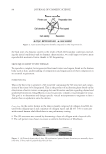
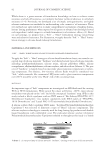
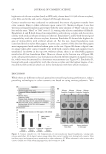
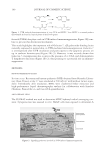
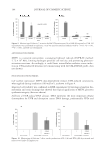
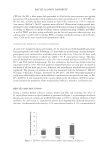
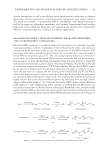
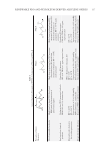
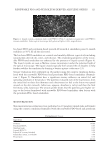
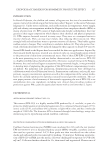
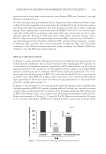
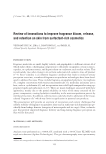
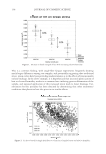
RENEWABLE PDO AND PETROLEUM-DERIVED ALKYLENE OXIDES 115 options that perform as well as the alkylene oxide–based nonionic surfactants in cosmetic applications. In this presentation, structure/property comparisons were made of chemis- tries based on renewable 1,3-propanediol (PDO)- and alkylene oxide–based feedstocks as well as the respective polyethers, emulsifi ers, and cosmetic formulations based on these feedstocks. Green Chemistry Principles were applied in the manufacture of sustainable PEG-free emulsifi ers that were evaluated in cosmetic applications. BIO-BASED PDO VERSUS PETROLEUM-DERIVED PEG-BASED CHEMISTRIES, STRUCTURE/PROPERTY COMPARISONS Bio-based PDO monomer is produced from the fermentation of renewable vegetable sources in accordance with the 12 principles of Green Chemistry (6). A life cycle assessment comparison found that from cradle to gate, the production of bio-PDO consumes 40% less energy and reduces greenhouse gas emissions by more than 40% versus petroleum- based PDO or propylene glycol (7). The structure/property differences of the feed- stocks used to produce the bio-based PDO monomer versus the EO and PO monomers have an impact on their safe handling and manufacturing processes (Figure 1). The PDO diol chemical structure has a greater degree of hydrogen bonding than the EO or PO and as a result has a higher boiling point (418°F)/low volatility. The bio-based PDO is made by the process of fermentation of sustainable plant-derived sugars at ambient tempera- tures and pressures. In contrast, the low boiling point/volatile (EO) (51°F) and PO are made under high pressures (150 psi or more) from their low-boiling ethylene and propyl- ene petroleum-derived feedstocks, respectively. The resulting EO and PO monomers are highly reactive due to the three-membered epoxy ring structures with strained carbon– oxygen–carbon bond angles of ~60° versus the less strained PDO carbon–oxygen–hydrogen bond angles of ~110°. Engineering safety controls, including EO and PO sensors, are necessary to ensure that accidental releases of the highly fl ammable, toxic, and potentially explosive EO and PO are detected early and resolved. Acid-catalyzed condensation of the bio-based PDO monomer produced poly-PDO (PPDO) polyether oligomers (8,9) (Figure 1). Figure 1. Feedstocks used to produce bio-based and petroleum-based products.

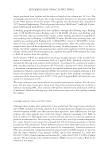
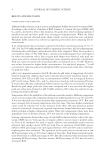
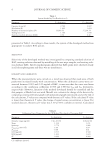
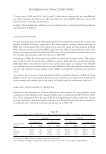
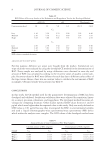
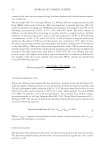
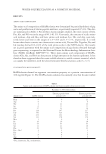
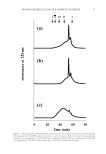
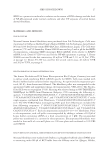
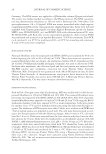
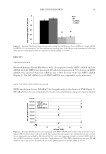
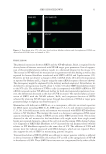
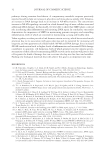
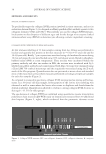
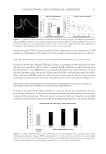
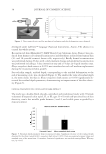
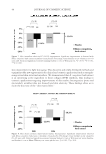
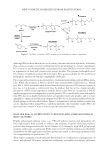
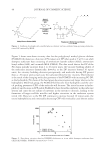
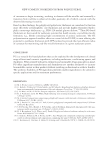
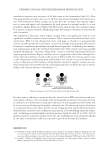
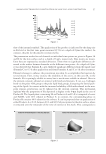
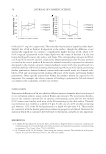
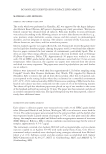
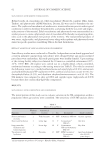
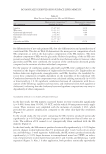
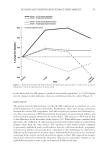
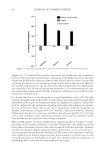
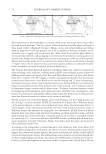
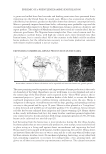
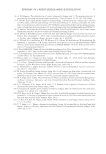
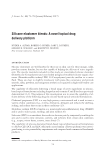
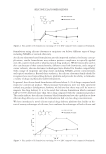
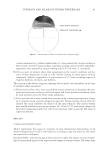
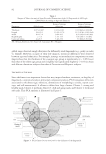
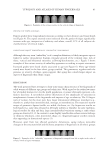
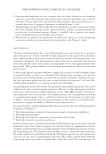
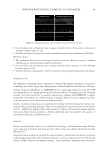
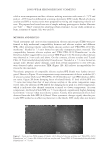
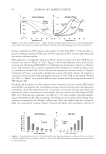
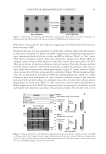
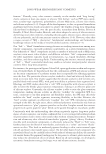
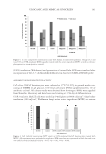
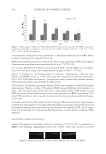
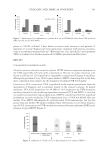
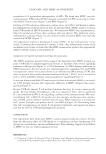
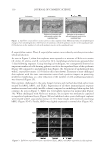
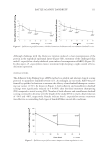
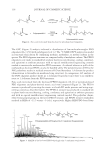
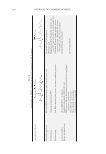
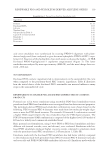
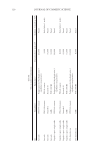
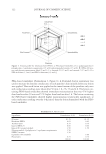
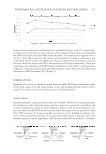
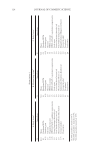
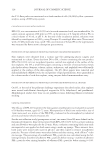
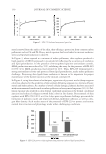
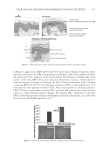
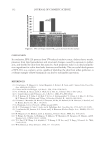
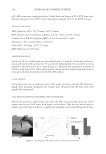
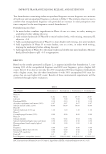
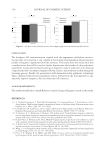
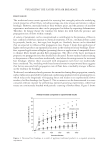
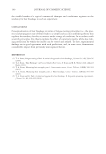
JOURNAL OF COSMETIC SCIENCE 116 The GPC (Figure 2) analysis indicated a distribution of low-molecular-weight PDO oligomers (Mn = 250) with polydispersity of 1.2. The 13C NMR DEPT analysis was useful in structural eluicidation by confi rming methine, methylene, or methyl carbons in the spectra. The PDO oligomer structures are composed solely of methylene carbons. The PPDO oligomers were made in standard lab or plant batch reactors (heating, cooling, condenser, and agitation) at ambient pressures with no special modifi cations/engineering controls needed to monitor the nonhazardous PDO monomers. Accidental releases or spills of the nonhazardous bio-based PDO can also be handled safely. The polymerization of EO to the PEG polyethers results in residual amounts of EO and hazardous 1,4-dioxane by-product (dimerization to favorable six-membered ring structure). In comparison, GC analysis of the PDO oligomer product shows no 1,4-dioxane by-product since there is no synthetic route to 1,4-dioxane from the PDO monomer. Fatty acid esters made from the bio-based PPDO oligomers (10,11) or petroleum-based PEG oligomers and plant-derived stearic acid were compared (Figure 2). The PEG-8 stearate is produced by reacting the stearic acid with EO under pressure and using engi- neering controls as described earlier. The PPDO-4 stearate was produced in standard lab or plant batch reactors (heating, cooling, condenser, and agitation) at ambient pressures and with no special modifi cations /engineering controls needed. The polyether chains, ethyl versus propyl groups in the latter PEG-8 stearate, and PPDO stearate emulsifi ers resulted in HLBs of ~11.5 versus ~3 (calc), respectively. Higher HLB PDO–based fatty Figure 2. Fatty acid esters made from bio-based or petroleum based oligomers. Figure 3. MALDI of the bio-based PPDO-4/polyglycerin-3 copolymer sesquistearate.
Purchased for the exclusive use of nofirst nolast (unknown)
From: SCC Media Library & Resource Center (library.scconline.org)