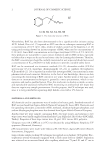
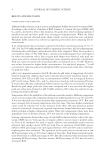
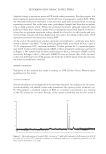
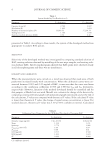
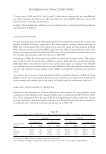
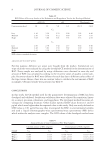
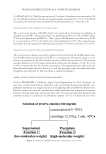
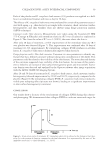
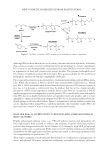
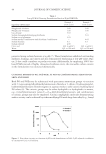
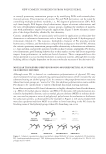
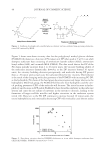
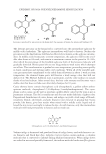
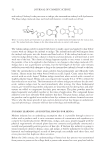
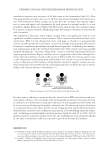
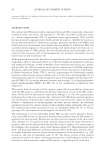
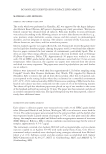
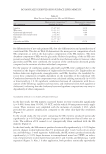
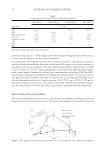
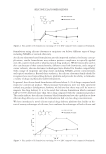
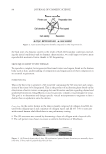
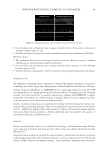
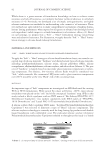
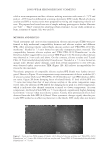
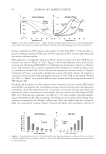
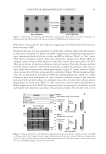
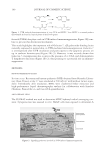
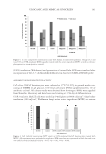
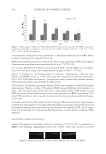
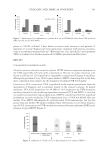
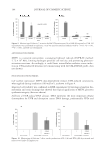
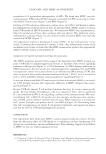
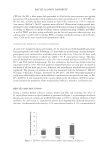
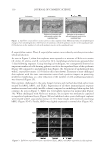
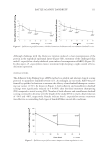
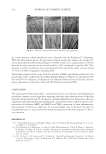
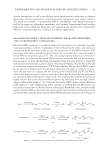
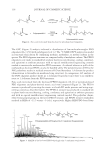
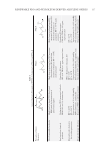
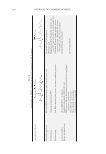
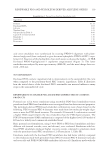
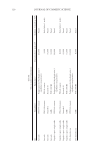
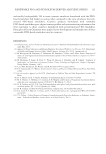
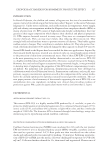
RENEWABLE PDO AND PETROLEUM-DERIVED ALKYLENE OXIDES 119 Formulation 1. Personal Care Emulsion Formulation (oils) Ingredients % DI water 81.45 Disodium EDTA 0.05 Glycerin 3.00 Xanthan Gum 0.25 Oil (specifi ed in Table 3) 8.00 Lipocol SC (cetearyl alcohol) 1.50 Emulsifi er 1 3.50 Emulsifi er 2 1.50 Preservative 0.75 100.00 acid ester emulsifi ers were synthesized by reacting PPDO-4 oligomers with plant- derived triglycerol (base catalyzed) to give the more hydrophilic PPDO-4/GLY-3 copo- lymer (12). Reaction of this hydrophilic chain with stearic acid gave the higher ~10 HLB bio-based PPDO-4/polyglycerin-3 copolymer sesquistearate (Figure 3). The latter emulsifi er was analyzed by mass spectrometry (MALDI), and the mass/charge data cen- tered ~800 m/z. SUSTAINABILITY Bio-based PDO cosmetic ingredients led to improvements in the sustainability life cycle when compared to the petroleum-based PEG cosmetic ingredients. Table II illustrates how the initial choice of the bio-based PDO–sustainable raw material infl uences many steps in the sustainable life cycle. RENEWABLE/SUSTAINABLE PDO–BASED EMULSIFIER USED IN COSMETIC PRODUCTS Personal care oil in water emulsions using renewable PDO-based emulsifi ers versus petroleum-based PEG-based emulsifi ers were investigated based on their structure/properties. The petroleum-derived PEG-based emulsifi er combinations were chosen based on the following. PEG-8 stearate/PEG-8 distearate were made from low-molecular-weight oligo- mers as were the PDO-based stearates. The steareth-20/steareth-2 combination covered a higher HLB range between the two emulsifi ers than the PDO-based stearates. The POE100 monostearate/GMS combination is composed of the highest level (100 moles) of EO and is a widely used commercial emulsifi er blend. Basic personal care formulations, using 5 wt% PDO or PEG-based emulsifi ers and three different oils (natural avocado, ester, and silicone), were evaluated. Emulsions with bio- based PDO emulsifi ers produced higher viscosity creams compared to emulsions made with the petroleum-based PEG emulsifi ers (12) (Formulation 1, Table III). Emulsions made with the bio-based PDO emulsifi ers also had better stability compared to the emulsions made with petroleum-based PEG-8 stearate/PEG-8 distearate (avocado and ester oils) and POE100 MS/GMS emulsifi ers (silicone oil). Emulsions made with the

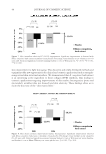
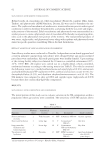
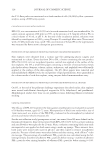
JOURNAL OF COSMETIC SCIENCE 120 Table III Oils in cosmetic formulations Oil Emulsifi er 1 Emulsifi er 2 Viscosity after 1 week (cP) Stability, 1 month at 50° C Avocado PPDO-4 stearate Polypropanediol-4/polyglycerin-3 copolymer sesquistearate 182,000 Passed Avocado PEG-8 distearate PEG-8 stearate 9,400 Failed (after 1 week) Avocado Steareth-2 Steareth-20 81,000 Passed Avocado GMS POE 100 MS 83,000 Passed Caprylic/capric triglyceride PPDO-4 stearate Polypropanediol-4/polyglycerin-3 copolymer sesquistearate 138,000 Passed Caprylic/capric triglyceride PEG-8 distearate PEG-8 stearate 18,000 Failed (after 1 week) Caprylic/capric triglyceride Steareth-2 Steareth-20 83,000 Passed Caprylic/capric triglyceride GMS POE 100 MS 61,000 Passed D5/ dimethicone PPDO-4 stearate Polypropanediol-4/polyglycerin-3 copolymer sesquistearate 224,000 Passed D5/ dimethicone GMS POE 100 MS 16,000 Failed
Purchased for the exclusive use of nofirst nolast (unknown)
From: SCC Media Library & Resource Center (library.scconline.org)