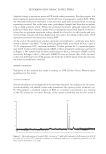
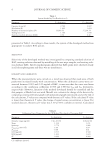
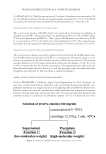
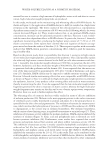
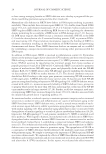
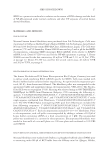
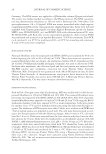
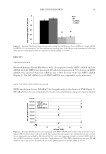
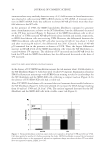
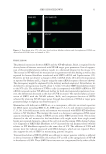
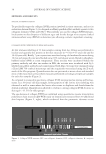
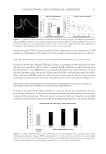
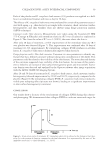
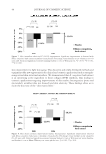
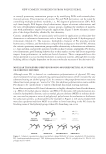
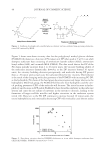
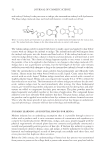
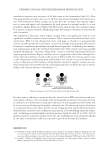
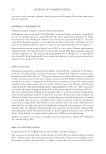
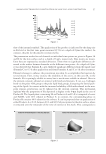
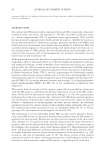
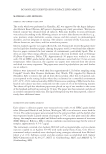
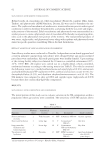
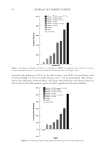
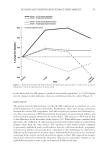
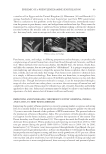
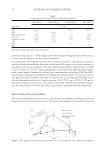
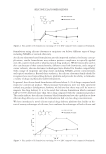
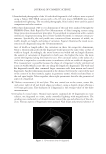
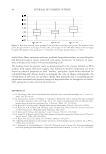
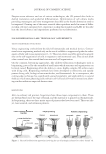
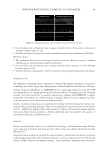
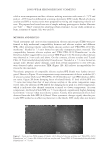
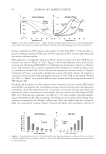
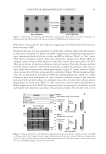
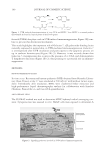
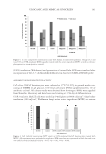
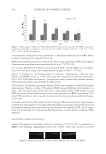
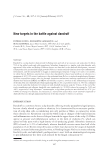
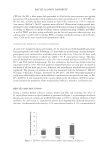
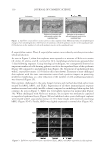
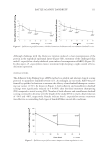
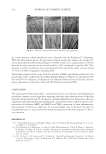
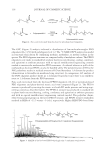
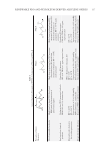
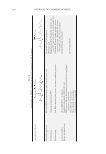
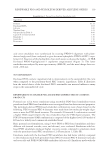
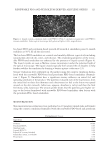
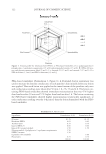
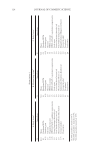
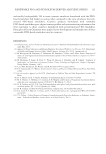
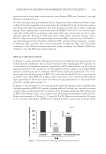
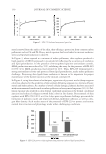
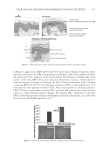
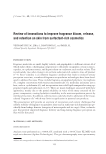
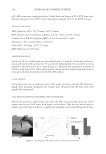
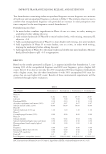
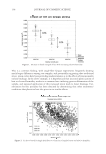
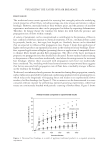
RENEWABLE PDO AND PETROLEUM-DERIVED ALKYLENE OXIDES 121 Figure 4. Liquid crystals—emulsion made with PPDO-4/ PGly-3 copolymer sesquistearate and PPDO-4 stearate emulsifi ers. Under optical microscope with polarized light at 400× magnifi cation. Formulation 2. Sensory Ingredients % DI water 84.90 Disodium EDTA 0.05 Xanthan Gum 0.25 Lipovol MOS-70 8.00 Lipocol SC (cetearyl alcohol) 1.50 Emulsifi ers A,B,C, or D below 5.00 Preservative 0.30 100.00 bio-based PDO and petroleum-based steareth-20/steareth-2 emulsifi ers passed 1-month stabilities at 50°C for all the oils tested. The bio-based PDO emulsifi ers are versatile and emulsify different types of oils including natural plant-derived oils, esters, and silicones. The emulsifying properties of the renew- able PDO-based emulsifi ers are enhanced by the presence of liquid crystals (Figure 4). The liquid crystals are seen as Maltese crosses (anisotropic) under the polarized light of the optical microscope. The liquid crystals typically form around the oil droplets to help further stabilize the emulsions by forming a barrier against coalescence (13). Sensory evaluations were performed on 10 panelists using the cosmetic emulsions formu- lated with the renewable PDO-based and petroleum PEG–based emulsifi ers (Formula- tion 2, Figure 5). Emulsifi ers have a signifi cant sensory infl uence on initial feel and spreading attributes of the product. The panelists evaluated each of the four lotions, from the initial feel on their skin (fi rmness and cohesiveness) to feel as the lotion was spread around on the skin (smooth, lubricious, aqueous, absorbency, tacky) and then the fi nal feel (waxy, silky, luxurious). The sensory profi le shows that the panelists gave higher rat- ings to the lotion formulated with renewable PDO-based emulsifi ers than lotions with the petroleum PEG–based emulsifi ers. MOISTURIZATION Skin moisturization evaluations were performed on 10 panelists (mixed male and female) using the cosmetic emulsions formulated with the renewable PDO-based and petroleum

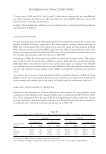
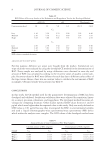
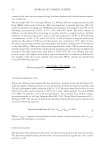
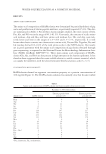
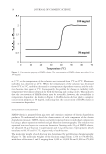
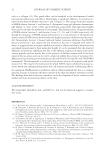
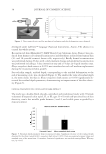
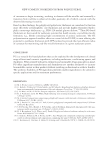
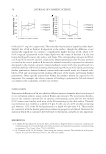
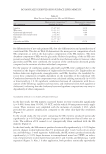
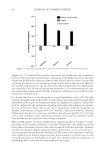
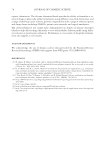
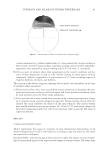
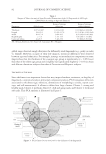
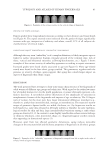
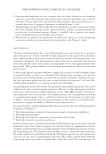
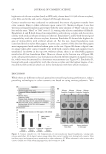
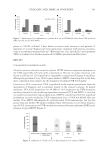
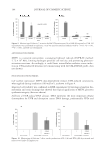
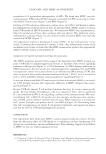
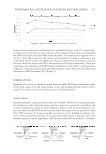
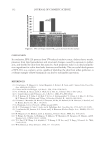
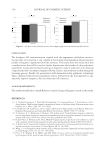
JOURNAL OF COSMETIC SCIENCE 122 Figure 5. Sensory profi le for emulsions with PPDO- or PEG-based emulsifi ers. [A = polypropanediol-4/ polyglycerine-3 copolymer sesquistearate (1.5 wt%) and propanediol stearate (3.5 wt%). B = PEG-100 stea- rate and glycerin monostearate blend (5 wt%). C = Steareth-20 (1.5 wt%) and steareth-2 (3.5 wt%). D = PEG-8 stearate (1.5 wt%) and PEG-8 distearate(3.5 wt%).] Formulation 3. Moisturization Ingredients Formulation A (%) Formulation B (%) DI water 81.45 81.45 Disodium EDTA 0.05 0.05 Xanthan Gum 0.25 0.25 Lipovol MOS-70 8.00 8.00 Lipocol SC (cetearyl alcohol) 1.50 1.50 Polypropanediol-4/polyglycerin-3 copolymer sesquistearate 3.50 PPDO-4 stearate 1.50 Lipomulse 165 emulsifi er 5.00 Preservative 0.75 0.75 100.00 100.00 PEG–based emulsifi ers (Formulation 3, Figure 6). A Dermalab Cortex instrument was used to measure the baseline conductance of each panelist’s skin initially before any lotion was applied. Then each lotion was applied to the inner forearm of the panelists only once and conductance readings were taken after 30 min, 1 h, 2 h, 3 h and 4 h. The lotion con- taining PDO-based emulsifi ers showed immediate moisturization that was 47% higher than baseline after 30 min and 57% higher than baseline after 1 h. The lotion containing the PDO-based emulsifi ers showed higher moisturization (statistically signifi cant), at each conductance reading over the 4-h period, than the lotion formulated with the PEG- based emulsifi er.
Purchased for the exclusive use of nofirst nolast (unknown)
From: SCC Media Library & Resource Center (library.scconline.org)