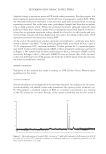
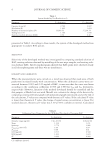
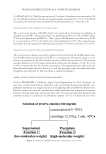
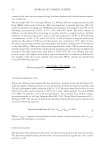
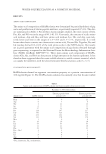
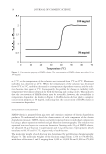
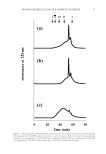
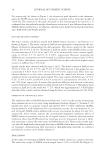
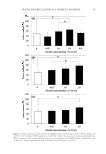
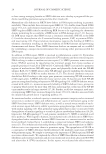
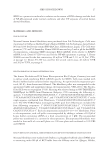
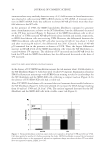
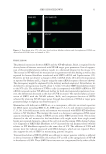
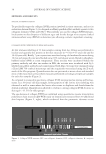
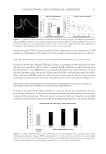
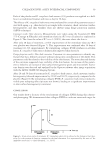
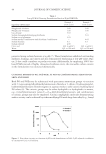
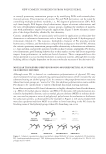
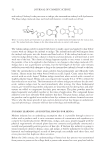
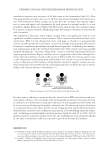
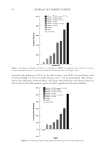
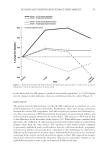
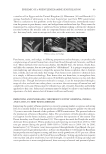
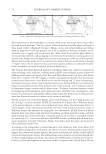
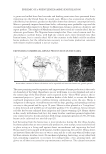
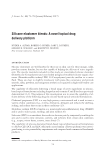
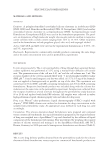
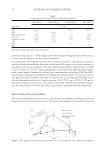
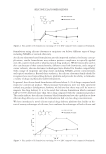
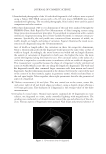
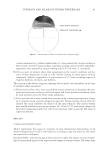
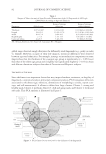
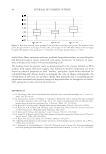
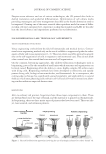
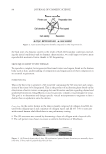
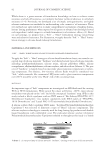
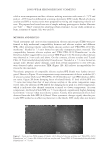
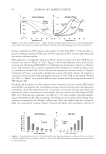
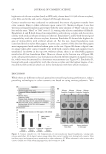
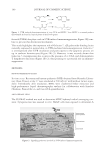
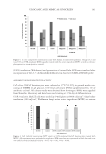
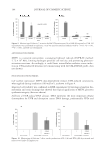
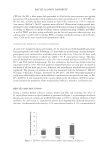
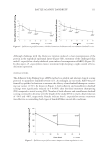
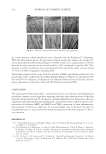
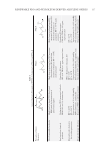
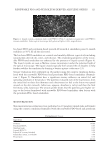
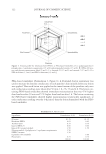
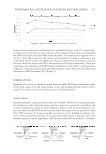
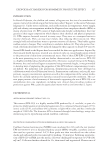
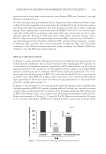
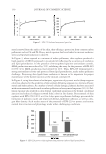
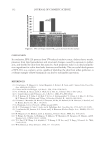
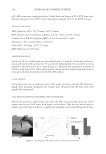
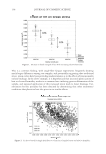
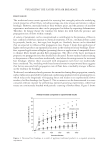
EXOPOLYSACCHARIDES FOR BIOMIMETIC PROTECTIVE EFFECT 129 Statistical analysis was done using normality test, Shapiro–Wilk test, Student’s t test and Wilcoxon signed-rank test. For the cleansing study (postexposure action), the protocol was modifi ed as follows: water (2 μl/cm²) was fi rst applied on zone A and zone B, and skin left to dry. A solution contain- ing black iron oxide microparticles was next dropped on both zones using a make-up sponge. Three minutes later, zone A was rinsed with EPS-229 (0.01% w/v) in water solu- tion and zone B with water, massage, and wiped with a dry cotton tissue to remove non- adherent particles. Pictures of both zones were taken before and after rinsing, with a Hirox® video microscope. The percentage of removed PM2.5 particles was calculated us- ing the following formula: ((number of adherent PM2.5 particles before cleansing – number of adherent PM2.5 particles after cleansing)/number of adherent PM2.5 particles before cleansing) × 100. Statistical analysis was done using normality test, Shapiro–Wilk test, Student’s t test and Wilcoxon signed-rank test. RESULTS AND DISCUSSION In Figure 1, results obtained in fl uorescence have been transformed to express protection of keratinocyte membranes from radical formation. Not surprisingly, UV exposure of cells resulted in a signifi cant increase (expressed as 100% from baseline) in the level of lipid peroxidation at the membrane of cells. Addition of the synthetic antioxidant BHA (positive control) reduced the formation of UV-induced lipid peroxidation by 76%, vali- dating the assay. In the presence of EPS-229, protection reached 28% for a concentration of 0.001% w/v. Thus EPS-229 is able to effectively protect skin cells from UV-induced lipid peroxidation. Protection from UV-induced lipid peroxidation is associated with prevention of skin photo-aging (7). In Figure 2, data obtained in tubo from the heavy metal adsorption studies confi rmed the chelation potential of EPS-229 toward cadmium and lead. In both cases, metallic retention reached a plateau allowing for the calculation of the maximal adsorption (Qmax) potential of EPS-229 for these cations, in accordance with the Langmuir adsorption model. For Cd, Qmax was estimated at 154 mg/g (1.37 mmol/g). For Pb, Qmax was estimated at 250 mg/g (1.21 mmol/g). The ability of EPS-229 to adsorb divalent cations may facilitate heavy Figure 1. EPS-229 protects keratinocytes from lipid peroxidation.

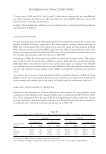
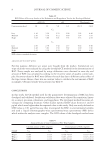
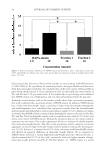
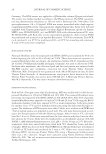
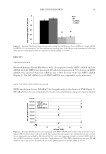
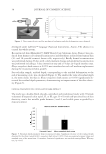
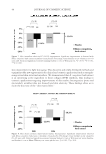
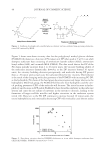
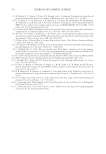
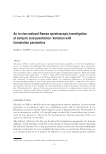
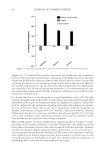
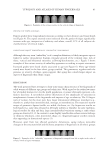
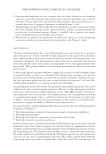
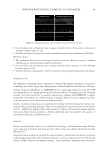
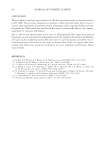
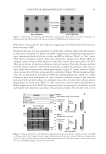
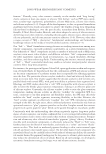
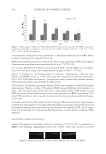
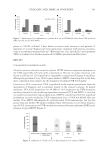
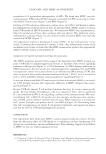
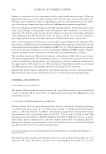
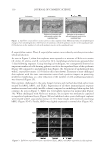
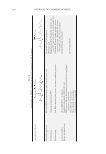
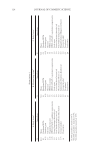
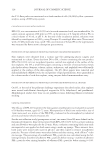
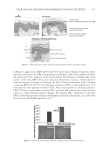
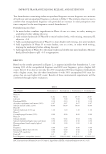
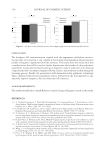
JOURNAL OF COSMETIC SCIENCE 130 metal removal from the surface of the skin, thus offering a protection from common urban pollutants such as Cd and Pb. Heavy metal exposure has been linked to increase oxidative stress and lipid peroxidation in skin (8). In Figure 3, when exposed to a mixture of urban pollutants, skin explants produced a high quantity of MDA (expressed in picomole/ml) refl ecting the occurrence of oxidation and lipid peroxidation. In the presence of α-tocopherol (positive antioxidant control), MDA production was reduced by 76%, validating the assay. In the presence of EPS-229 (0.03% w/v), MDA production was lowered by 44%. Thus, EPS-229 demonstrated a strong antioxidant activity and protected from lipid peroxidation, under urban pollutant challenge. Preserving skin lipids from oxidation is known to be important for proper maintenance of the barrier function at the stratum corneum (9). In Figure 4, using histochemical techniques, apparition of pycnotic nuclei (deep magenta color) was observed in the epidermis of skin explants following exposure to a mixture of heavy metals and hydrocarbons. As a marker of severe cellular damage, pyknosis has been associated with environmental insults such as urban pollution or heavy metal exposure (10,11). Pol- lutant exposure also resulted in clear dermal–epidermal separation at the dermal–epidermal junction and reduced collagen network (blue color) in the dermis. Pretreatment of skin explants with EPS-229 (0.03% w/v) for 4 days prior to pollutant challenge prevented the formation of pyknotic nuclei and improved dermal–epidermal cohesion, as well as colla- gen fi ber density. Such results attest of the potential of EPS-229 to protect and restore normal skin structure and physiology under urban challenging conditions. Figure 2. EPS-229 chelates heavy metal particles. Figure 3. EPS-229 protects skin explants from pollutant-induced lipid peroxidation.
Purchased for the exclusive use of nofirst nolast (unknown)
From: SCC Media Library & Resource Center (library.scconline.org)