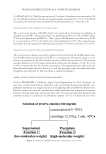
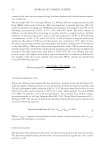
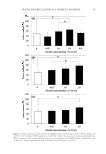
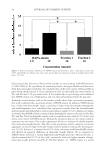
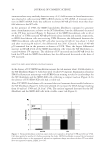
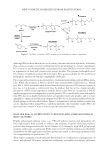
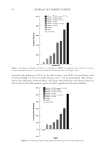
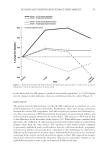
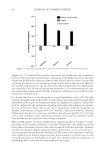
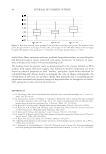
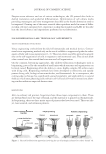
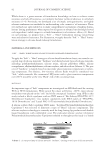
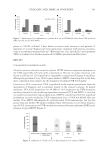
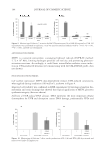
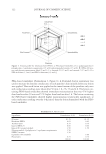
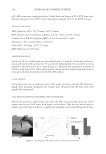
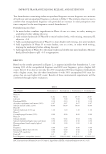
JOURNAL OF COSMETIC SCIENCE 14 content of the skin was investigated using the three-dimensional cultured human epider- mis of LabCyte. We used a Sep-Pak® C18 cartridge (Waters Co., Milford, MA) to completely remove salts from HAPA-elastin and its fractions. This was important as residual salts may affect the results of moisture-retaining test. HAPA-elastin solutions were prepared in D.W. at the following concentrations: 0.02%, 0.1%, 1.0%, and 8.0% (w/w). The water content of LabCyte was determined by measuring its weight, which is a simple and easy method. Solutions of fractions (fractions 1 and 2) were also prepared in D.W. at the following concentrations: 0.02%, 0.1%, and 1.0% (w/w). A 200 μl aliquot of sample solution was applied on the surface of LabCyte and the mixture was incubated at 32°C. After 30 min, the elastin solution was removed and culture plates were further incubated at 32°C for 60 min to dry the LabCyte. These procedures were repeated three times. The reconstructed epi- dermal tissues were cut from the culture inserts using forceps and their wet weights were measured. The skin tissues were then dried at 60°C–80°C for 24 h. Within this tem- perature range, the samples did not show signs of thermolysis or combustion. Finally, the dry weights of the skin tissue samples were measured. Water content was determined using the following equation: ( ) - = ×100 wet weight dry weight Water content % wet weight (1) TYROSINASE INHIBITION ASSAY Tyrosinase inhibition was measured by the colorimetric method, using a 96-well plate (14). A 20-μl sample of elastin solution (1.0 or 10 mg/ml), 40 μl of tyrosinase (40 U/ml), and 100 μl of phosphate buffer solution (pH 6.8, 1/15 M) were mixed and added to each well in the plate and incubated at 25°C for 3 min. Subsequently, 50 μl of DOPA (2.5 mM) was added to each well and absorbance was recorded after 10 min using a microplate reader at 490 nm (Immuno-Mini NJ-2300, Nalge Nunc International Co., Rochester, NY). The amount of dopachrome produced during the reaction was determined using the following equation: = ×100 sample control Tyrosinase inhibition (%) (1- / ) A A (2) Where “Asample” represents the absorbance of the sample containing elastin, and “Acontrol” represents the absorbance of control. STATISTICAL ANALYSIS The data have been presented as the mean of triplicate measurements for each experiment. The data were analyzed using the Dunnett’s test and statistical signifi cance, was consid- ered at p 0.05.

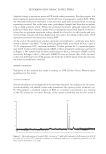
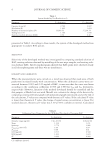
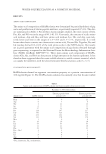
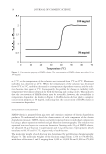
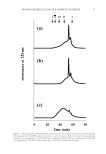
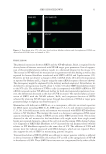
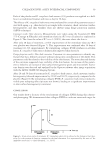
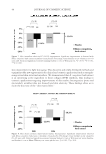
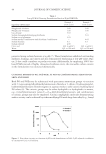
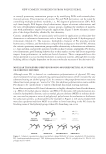
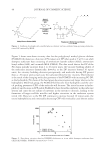
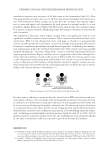
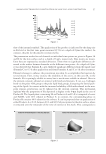
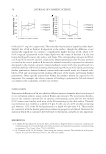
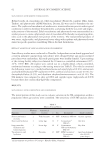
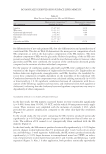
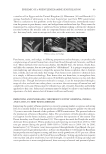
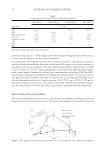
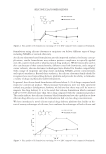
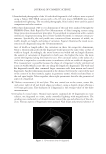
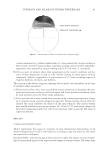
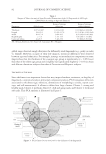
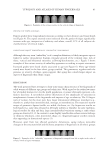
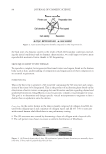
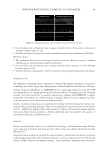
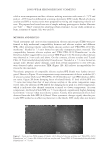
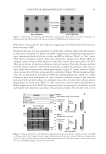
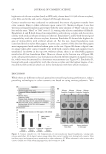
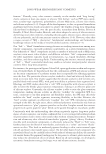
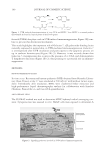
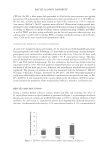
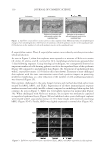
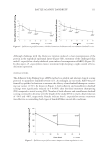
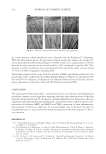
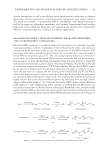
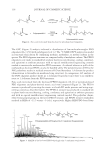
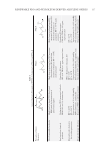
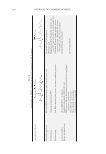
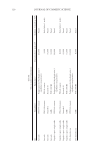
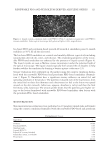
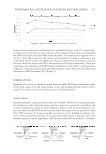
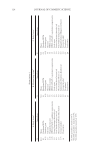
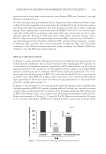
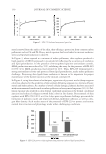
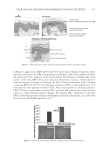
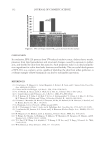
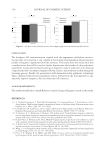
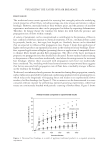
WATER-SOLUBLE ELASTIN AS A COSMETIC MATERIAL 15 RESULTS AMINO ACID COMPOSITION The amino acid composition of HAPA-elastin was determined by partial hydrolysis of pig aorta and purifi cation of elastin peptide mixtures, as previously reported (15,16). The data are summarized in Table I. For all three elastin samples studied, the total content of Gly, Pro, Ala, and Val was in the range of 80.1–81.5%. Conversely, the contents of acidic amino acid residues, Asp and Glu, and basic amino acid residues, Lys, His, and Arg, were rela- tively lower and were in the ranges of 2.5–3.6% and 1.3–1.7%, respectively. It is well known that elastin contains two characteristic amino acids, Des and Ide. Together, Des and Ide residues formed 0.2–0.4% of the total amino acids in the HAPA-elastin. Our results are in good agreement with the amino acid composition of pig elastin obtained through gene sequencing, as reported in the National Center for Biotechnology Information data- base (NCBI, GenBank: BAP76077.1). Three main amino acid components of HAPA- elastin (Gly, Ala, and Pro) are also present in high amounts in the human epidermis. It has therefore been suggested that this water-soluble elastin is a useful cosmetic material, which can supply the epidermis with the abovementioned benefi cial amino acids (5–7,17). COACERVATION MEASUREMENTS HAPA-elastin showed an apparent coacervation property at a protein concentration of 100 mg/ml (Figure 2). The HAPA-elastin solution was initially clear but became turbid Table I Amino acid composition of HAPA-elastin and elastin peptides from porcine aorta. Amino acid Residues / 1,000 total residues HAPA-elastin Elastin peptides from porcine (15) Elastin peptides from porcine (16) Hyp 9 6 11 Asp 9 3 6 Thr 4 21 14 Ser 6 11 11 Glu 27 23 19 Pro 114 107 117 Gly 336 325 330 Ala 234 242 234 Val 131 128 120 Met 1 0 0 Ile 16 16 18 Leu 53 53 54 Tyr 11 21 16 Phe 26 29 33 Des + Ide* 4 2 3 His 7 0 1 Lys 8 8 6 Arg 2 7 6 *Des, desmosine Ide, isodesmosine.
Purchased for the exclusive use of nofirst nolast (unknown)
From: SCC Media Library & Resource Center (library.scconline.org)