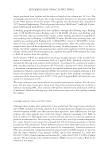
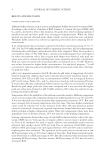
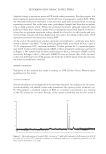
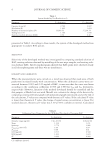
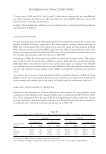
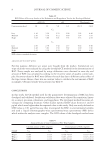
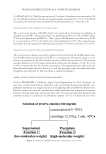
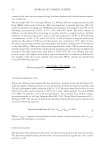
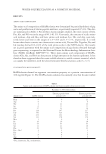
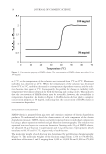
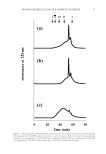
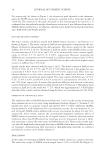
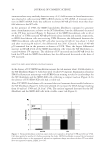
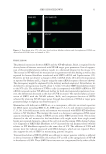
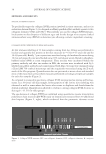
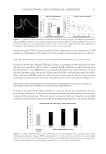
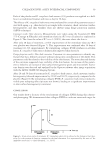
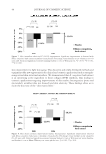
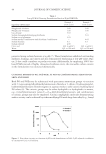
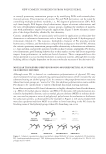
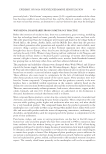
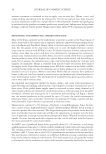
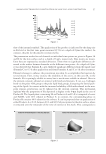
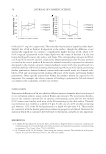
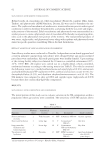
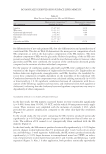
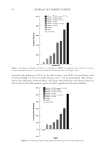
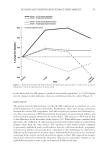
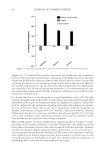
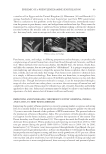
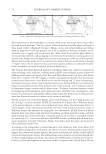
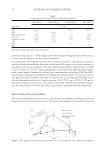
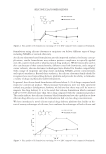
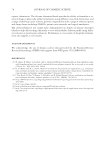
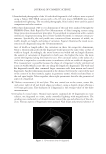
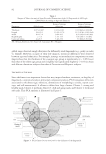
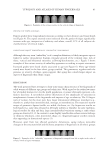
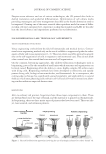
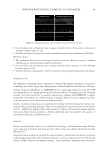
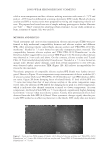
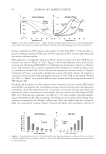
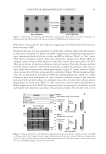
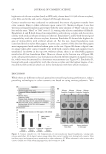
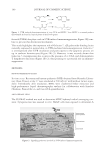
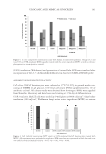
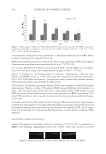
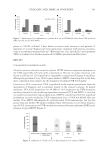
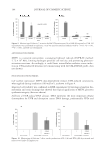
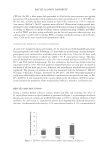
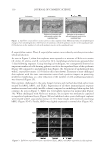
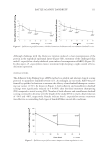
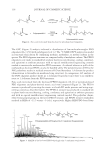
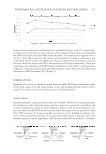
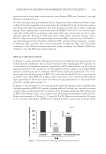
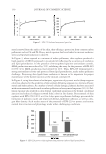
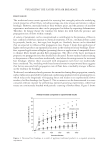
JOURNAL OF COSMETIC SCIENCE 16 at 37°C, as the temperature of the solution was increased from 5°C to 65°C. Maximum turbidity was observed at 45°C. When the temperature of the solution was decreased from 65°C to 5°C, turbidity decreased in a temperature-dependent manner, and the solu- tion became clear again at 5°C. Consequently, the profi les for change in turbidity with temperature were almost identical for both the heating and cooling cycles. This indicates that the coacervation of HAPA-elastin may be reversible however, the reversibility is temperature dependent. As shown in Figure 2, HAPA-elastin did not show a complete coacervation property at 50 mg/ml, indicating that the coacervation of HAPA-elastin is concentration dependent. SEPARATION BY COACERVATION HAPA-elastin is prepared from pig aorta and contains a mixture of elastin degradation products. To understand in detail the characteristics of each component of the elastin degradation mixture, HAPA-elastin was further separated into its individual components by using a phase separation method and gel fi ltration chromatography. The solution was separated into two layers via coacervate formation. Starting with 24 g of HAPA-elastin, we obtained 20 g of fraction 1 (supernatant) and 2.4 g of fraction 2 (precipitate), which translates to 89.3% and 10.7%, respectively, of each fraction. The molecular weight of each fraction was determined by gel fi ltration chromatography (Figure 3). The molecular weights of the fractions ranged from 1,350 to 670,000 Da, with those of fractions 1 and 2 ranging from 1,000 to 44,000 Da and 2,000 to 670,000 Figure 2. Coacervation property of HAPA-elastin. The concentration of HAPA-elastin was either 50 or 100 mg/ml.

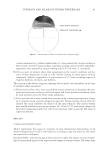
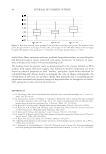
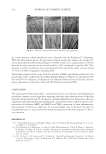
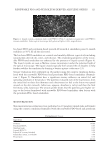
WATER-SOLUBLE ELASTIN AS A COSMETIC MATERIAL 17 Figure 3. Chromatograms for HAPA-elastin and its fractions derived from gel fi ltration chromatography. Chromatograms for (a) HAPA-elastin, (b) fraction 1, and (c) fraction 2. Elution times of the molecular mass standards: (i) thyroglobulin (670,000 Da), (ii) γ-globulin (158,000 Da), (iii) ovalbumin (44,000 Da), (iv) myoglobin (17,000 Da), and (v) vitamin B12 (1,350 Da) are indicated with arrows.
Purchased for the exclusive use of nofirst nolast (unknown)
From: SCC Media Library & Resource Center (library.scconline.org)