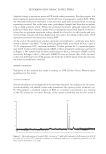
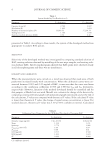
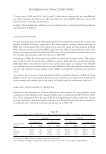
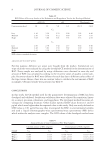
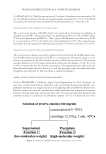
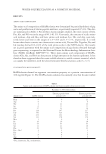
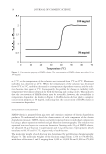
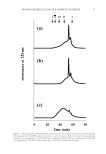
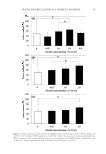
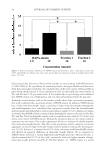
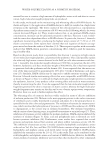
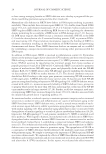
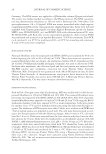
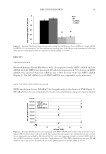
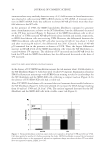
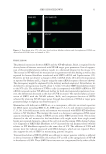
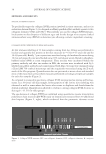
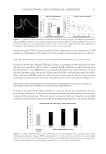
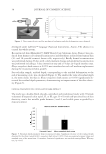
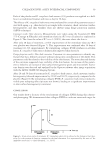
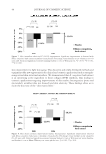
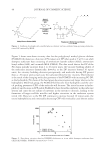
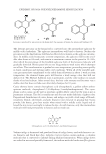
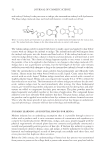
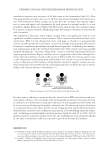
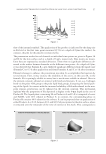
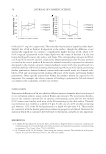
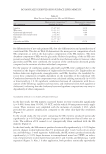
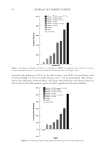
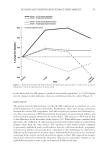
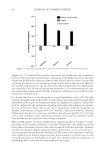
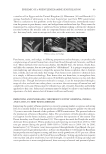
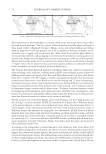
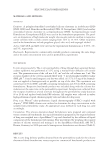
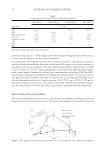
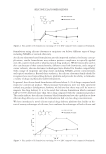
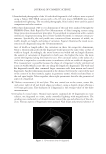
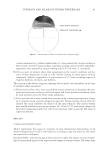
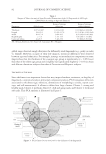
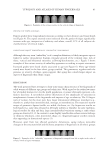
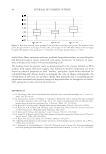
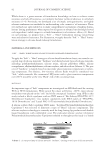
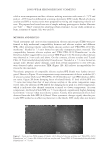
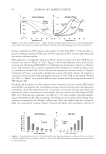
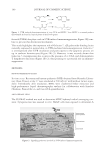
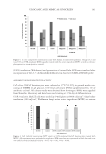
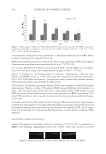
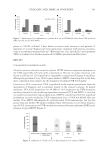
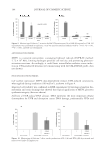
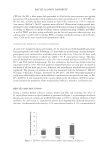
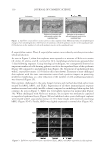
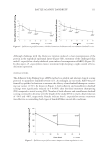
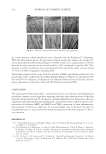
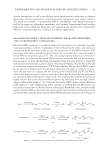
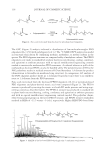
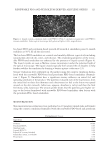
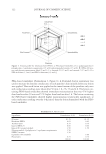
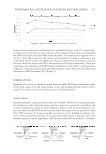
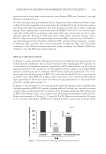
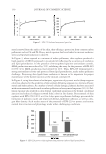
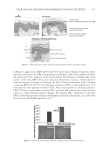
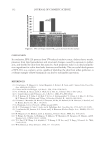
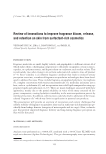
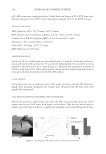
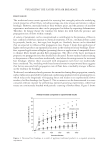
JOURNAL OF COSMETIC SCIENCE 18 Da, respectively. As shown in Figure 3, the distinctive peak observed in the chromato- grams for HAPA-elastin and fraction 1 represents a peptide with a molecular weight of 7,000 Da. The intensity of this peak decreased in the chromatogram for fraction 2. It confi rmed that the molecular weight distribution in fraction 2 was different from that in HAPA-elastin and fraction 1. In addition, only fraction 2 showed a broad peak represent- ing a high-molecular-weight peptide. MOISTURE-RETAINING PROPERTY The water content of LabCyte treated with HAPA-elastin, fraction 1, and fraction 2 is shown in Figure 4. The water content of LabCyte was measured to demonstrate the use- fulness of elastin in maintaining the skin moisture. The water content of the control LabCyte was 49.4% ± 10.1%. Treatment of LabCyte surface with HAPA-elastin at elas- tin concentrations of 0.1% (w/w) and 1.0% (w/w) increased the water content signifi - cantly to 58.4% ± 5.7% and 65.7% ± 8.9%, respectively. However, increasing the HAPA-elastin concentration to 8.0% resulted in a LabCyte water content of only 52.4% ± 4.9%. In fact, the highest concentration of HAPA-elastin that induced the highest water content in LabCyte was 1.0% (w/w). Similar results were observed with fractions 1 and 2. The water content of LabCyte was 59.5% ± 4.9%, 65.4% ± 5.7%, and 77.2% ± 7.8% when fraction 1 was applied at con- centrations of 0.02% (w/w), 0.1% (w/w), and 1.0% (w/w), respectively. There were sig- nifi cant differences in the water contents between the control and fraction 1-treated samples at all the concentration levels studied. The water content of LabCyte was 52.5% ± 8.2%, 55.9% ± 6.8%, and 66.6% ± 8.1% at fraction 2 concentrations of 0.02%, 0.1%, and 1.0% (w/w), respectively. A statistically signifi cant difference was detected in the water content between the control LabCyte and that treated with 1.0% fraction 2. The highest water content in LabCyte in the study was 77.2%, which was approximately 1.5-fold higher than that of the control, and was obtained using fraction 1 at a concentration of 1.0% (w/w). INHIBITION OF TYROSINASE ACTIVITY The inhibitory effects of HAPA-elastin and fractions 1 and 2 on the activity of tyrosinase were examined in an in vitro assay using mushroom tyrosinase (Figure 5). Vitamin C (1.0 mg/ml) was used as a positive control and showed 99% ± 0.86% inhibition. HAPA- elastin showed a weak inhibitory effect on tyrosinase activity. At concentrations of 1.0 and 10 mg/ml, HAPA-elastin inhibited the activity of tyrosinase by about 4% and 12%, respectively. These results indicate the concentration-dependent inhibitory effects of HAPA-elastin on tyrosinase activity. At 10 mg/ml, fraction 1 showed a relatively weaker inhibitory effect than HAPA-elastin on tyrosinase activity. Conversely, fraction 2 inhib- ited tyrosinase to about the same extent as HAPA-elastin did. These results clearly indi- cate that the high-molecular-weight fractions in HAPA-elastin have an inhibitory effect on tyrosinase, demonstrating their potential as skin-lightening materials in cosmetics provided the activity can be further enhanced. DISCUSSION In this study, we investigated HAPA-elastin (water-soluble elastin) as a cosmetic material. The molecular weight of HAPA-elastin ranged from 1,350 to 670,000 Da (Figure 3).

WATER-SOLUBLE ELASTIN AS A COSMETIC MATERIAL 19 Figure 4. Water contents of cells treated with HAPA-elastin, and fractions 1 and 2. Water content was 49.4% ± 10.1% without HAPA-elastin (i.e., only D.W.), which was used as the reference (unshaded bar). Water contents of cells treated with the respective concentrations of (a) HAPA-elastin, (b) fraction 1, and (c) fraction 2. Data are presented as mean ± standard error of the mean. *p 0.05.
Purchased for the exclusive use of nofirst nolast (unknown)
From: SCC Media Library & Resource Center (library.scconline.org)