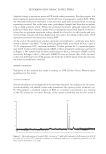
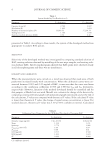
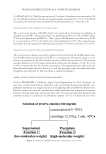
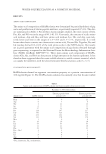
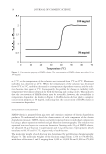
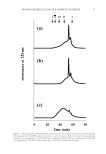
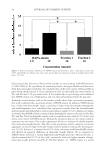
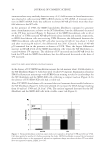
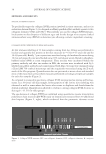
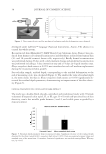
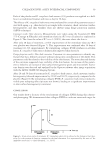
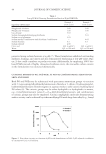
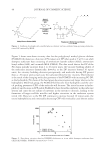
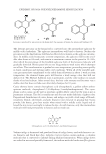
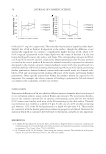
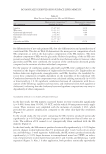
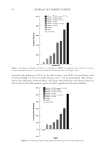
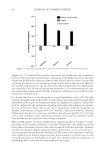
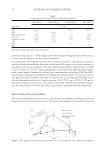
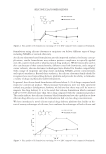
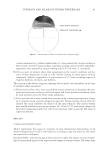
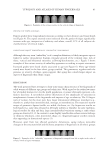
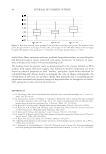
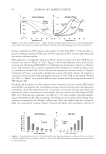
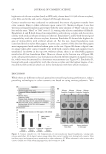
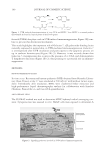
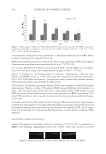
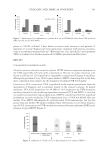
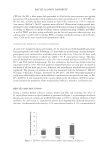
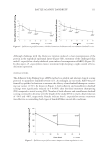
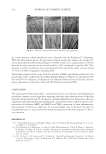
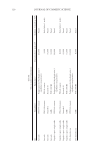
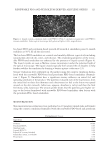
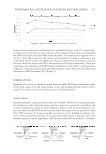
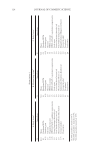
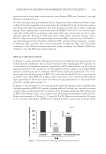
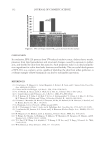
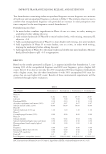
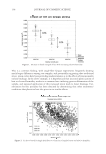
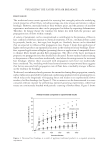
JOURNAL OF COSMETIC SCIENCE 20 Characteristically, the ratio of Des and Ide residues to total residues in HAPA-elastin is 4:1,000 (Table I). As a guideline for evaluating elastin, the Japan Health and Nutrition Food Association has stated that, the standard value of the total content of Des and Ide in pure elastin should exceed 0.2% per molar ratio (18). In this study, the total content of Des and Ide was 0.4% per molar ratio. It was within the accepted range and confi rmed that HAPA-elastin was of high purity, and was effi ciently prepared from the pig aorta. Although several elastins sold on the market usually show little coacervation property, this study confi rmed the coacervation ability of HAPA-elastin. In addition, HAPA-elastin has a wide molecular weight range, consisting of large-molecular-weight polypeptides and small fragments. It is considered that coacervation results from the intramolecular and intermolecular hydrophobic interactions within a sample (19,20). Amino acid analy- sis showed that HAPA-elastin contained many hydrophobic amino acids such as Gly, Ala, Val, and Pro. These hydrophobic amino acids accounted for more than 81.5% of the total amino acid content of HAPA-elastin. During the separation process, the elastin solution separates into two layers. One is the supernatant, which is a solution of soluble peptides (low-molecular-weight elastin). The other is the precipitate, which comprises coacervate aggregates of elastin (high-molecular-weight elastin) produced during the heating pro- cess (21,22). Fraction 1 accounted for 89.3% of the coacervate yield from HAPA-elastin and showed an apparent difference in molecular weight (Figure 3b) as compared to HAPA-elastin. Fraction 1 lacked high-molecular-weight proteins, whereas fraction 2, which accounted for 10.7% of the yield, contained a relatively higher amount of high- molecular-weight proteins (44,000–67,000 Da) (Figure 3c). HAPA-elastin is a useful Figure 5. Rate of tyrosinase inhibition by HAPA-elastin and fractions 1 and 2. Tyrosinase activity was 100% when D.W. was added to the cells as the control. Data are presented as mean ± standard error of the mean. *p 0.05.

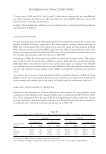
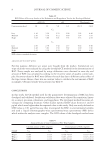
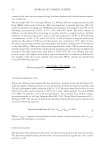
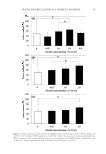
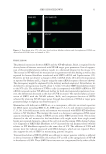
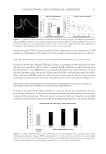
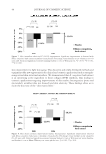
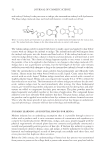
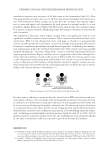
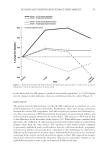
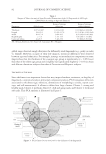
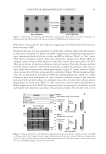
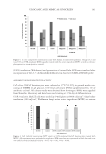
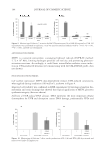
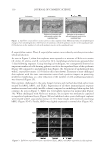
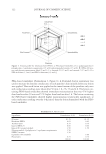
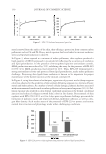
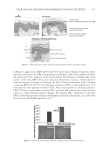
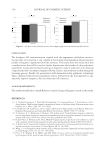
WATER-SOLUBLE ELASTIN AS A COSMETIC MATERIAL 21 material because it contains a high amount of hydrophobic amino acids and after its coacer- vation, high-molecular-weight polypeptides are produced. In this study, we focused on the moisturizing and whitening effects of HAPA-elastin. As shown in Figure 4, the application of HAPA-elastin to LabCyte resulted in a high water retention in the epidermis. The water content of the cells increased in a concentration- dependent manner until a concentration of 8.0% was reached, following which, the water content decreased (Figure 4c). These results indicate that, at an optimum HAPA-elastin concentration, moisture can be suffi ciently retained in the skin. Fractions 1 and 2 exhib- ited the same dose-dependent effects as HAPA-elastin. In particular, fraction 1 showed a signifi cant moisturizing effect, producing the highest water content of 77.2% at a 1.0% elastin concentration. Some reports have claimed that oral ingestion of elastin can sup- press water loss from the surface of the skin (3,4). These reports together with our results indicate that HAPA-elastin possesses a moisturizing effect, which is good for maintain- ing a healthy skin. Based on the present study, there is a possibility that fraction 1, owing to its high content of low-molecular-weight peptides, can penetrate the epidermis. This could possibly explain the relatively high water content observed in the LabCyte cells after treatment with frac- tion 1. Generally, low-molecular-weight substances ( 500 Da) can penetrate the skin (23) however, hyaluronic acid has a molecular weight of 400,000 Da, but it has been reported to penetrate both the epidermis and the dermis (24). It was reported that the water con- tent of the skin increased by approximately 10% after 3 weeks of hyaluronic acid inges- tion (25). Similarly, HAPA-elastin may be expected to exhibit moisture-retaining effects. Fraction 2 showed similar moisturizing effects that were comparable with HAPA-elastin, as shown in Figure 4. Since it is diffi cult for high-molecular-weight proteins to penetrate the epidermis, fraction 2 may produce a skin-covering effect and result in water retention, thereby moisturizing the skin. It can be suggested that the low-molecular-weight elastin fragments penetrate the skin to maintain its water content, whereas the high-molecular- weight fragments may remain on the skin and act as a barrier against water evaporation. However, there is a need to further explore this effect. The whitening effect of cosmetics has been widely studied in terms of effective inhibition of melanin production (26). Melanin is the main pigment present in the surface structures of vertebrates and is widely distributed in animals and plants. It is the principal factor re- sponsible for the skin color and pigmentation. The oxidation of tyrosine by enzyme tyrosi- nase, which involves the hydroxylation of tyrosine to L-DOPA and the oxidation of L-DOPA to dopaquinone, is the critical step in melanin biosynthesis. The melanin biosynthesis, which consists of rate-limiting steps, is regulated by tyrosinase at an initial stage (27). Thus, inhibition of tyrosinase activity inhibits the melanin synthesis. HAPA-elastin inhibited the synthesis of melanin (Figure 5). Kojic acid and polyphenols such as fl avonols are well- known tyrosinase inhibitors (28). Furthermore, some studies have reported that several proteins and peptides derived from animals and plants inhibit tyrosinase activity (29,30). This inhibition of tyrosinase activity is mainly caused by hydrophobic and aliphatic amino acids such as Val, Ala, Leu, and Met (29). HAPA-elastin contains a large amount of all the hydrophobic and aliphatic amino acids listed earlier except Met (Table I). HAPA-elastin inhibited the tyrosinase activity by 2.0–11.3% in this study. This can be attributed to the rich hydrophobic and aliphatic amino acid content of HAPA-elastin. However, the HAPA- elastin-mediated tyrosinase inhibition was lower than that mediated by other compounds
Purchased for the exclusive use of nofirst nolast (unknown)
From: SCC Media Library & Resource Center (library.scconline.org)