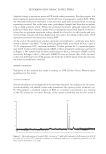
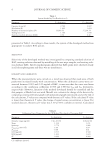
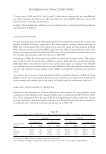
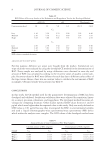
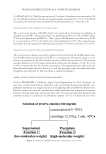
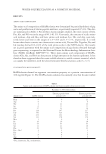
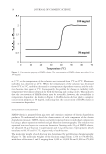
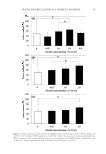
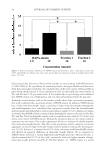
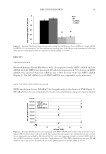
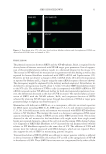
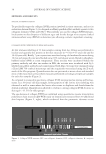
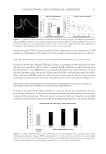
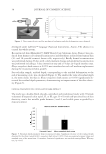
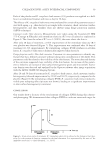
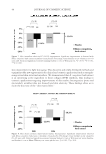
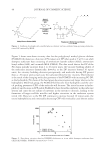
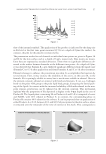
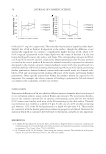
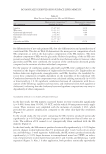
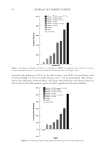
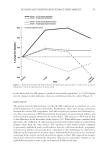
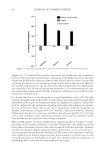
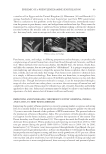
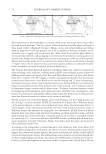
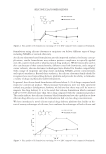
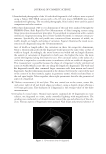
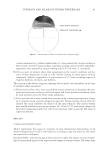
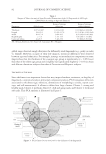
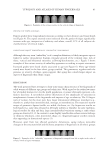
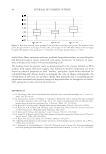
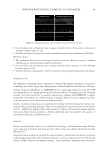
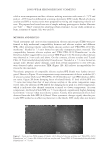
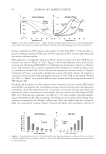
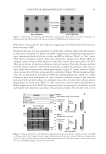
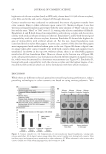
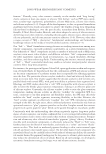
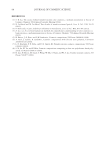
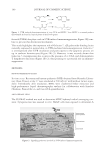
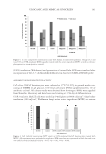
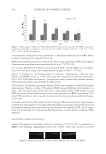
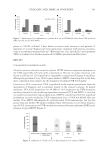
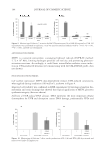
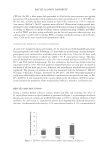
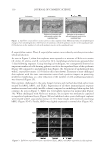
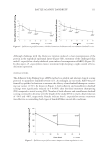
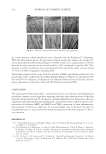
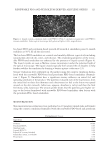
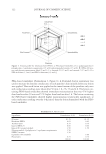
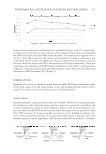
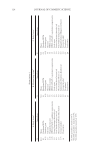
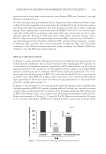
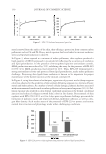
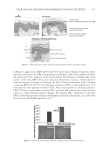
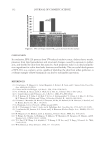
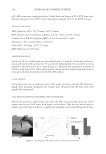
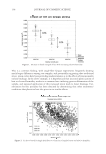
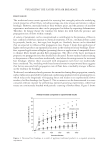
JOURNAL OF COSMETIC SCIENCE 30 immunosorbent assay antibody detection assay. A 4.3-fold increase in chemiluminescence was observed in cells receiving SIRT6 siRNA relative to NT siRNA. A transient reduc- tion in SIRT6 mRNA levels was suffi cient to elevate NF-κB p50 levels more than four- fold relative to the NT cells. In the presence of UVB, the SIRT6 knockdown fi broblasts continued to generate more chemiluminescence relative to the NT fi broblasts, but the differential decreased as the UV dose increased (Figure 2). Exposure of the SIRT6 knockdown cells to 40 or 80 mJ/cm2 of UVB increased NF-κB p50 levels about fi vefold and sixfold, respectively, to SIRT6 knockdown cells not receiving UVB. However, the differential between the SIRT6 knockdown cells and the NT cells after receiving 40 mJ/cm2 was about 1.5-fold and after receiving 80 mJ/cm2, the differential was 20%. Cytosolic levels of NF-κB p50 remained low in the presence or absence of UVB. Thus, the largest differential increase in NF-κB levels of the SIRT6 knockdown cells versus the NT fi broblasts oc- curred without UV exposure. The addition of UV increased nuclear NF-κB levels for both the NT and the SIRT6 knockdown, but the differential decreased as the dose of UV increased. IMPACT OF SIRT6 KNOCKDOWN ON DNA DAMAGE In the absence of UV, SIRT6 knockdown increases the tail moment about 10-fold relative to the NT fi broblasts (Figure 3). Cells were lysed 4 h after UV exposure. Examination of nuclear DNA by fl uorescent microscopy with SYBR Green staining revealed a circular shape for the NT fi broblasts and the SIRT6 KD cells, refl ecting a compact nucleus (Figure 4). In the absence of UV, SIRT6 KD cells had a visible tail. After UV, SIRT6 knockdown cells increased their tail moment about twofold relative to the NT fi broblasts (Figure 3). Cells were allowed 4 h to repair the DNA damage resulting from 40 mJ/cm2 UVB and 20 J/cm2 UVA. The nucleus appeared fractured for the NT fi broblasts and the SIRT6 KD cells with a visible comet tail (Figure 4). Figure 3. Neonatal fi broblasts seeded on comet slides were exposed to 40 mJ/cm2 UVB and 20 J/cm2 UVA. Cells were grown for another 4 h before processing the slides. SIRT6 knockdown increased the tail moment about fi vefold relative to the nontargeted, whereas no signifi cant change was observed when UV was added. Data are expressed as mean ± SEM, *p 0.05.

SIRT6 KNOCKDOWN 31 DISCUSSION The physical interaction between SIRT6 and the NF-κB subunit, RelA, is required for the deacetylation of histones associated with NF-κB target gene promoters. Loss of suppres- sion of this proinfl ammatory pathway results in a shortened lifespan for the mouse (17). The increase in NF-κB levels we measured are in agreement with this fi nding as well as data reported for human fi broblasts transfected with SIRT6 siRNA and Lipofectamine (22). However, we did not observe a change in COL1 mRNA levels 48 h after electroporation as reported by Baohau and Li, despite using the same siRNA sequence (data not shown). The discrepancy might be explained by the delivery method employed. Nevertheless, we did observe a strong increase in p50, about 4.3-fold, 52 h after SIRT6 knockdown relative to the NT cells. The addition of UVB to cells electroporated with SIRT6 siRNA or NT siRNA increased nuclear NF-κB levels further for both electroporated populations how- ever, the differential decreased as the dose of UVB increased. The reported physical inter- action of SIRT6 with the NF-κB subunit, RelA, and corepressor function of SIRT6 achieved by silencing NF-κB target genes through deacetylation of H3K9 at target gene promoters helps to explain our observations (17). Mammalian cells defi cient in SIRT6 are, as a consequence, defective in several capacities for DNA repair including BER (6–8), DSB repair (7,9–12), and telomere maintenance (7,13,14). A fi vefold increase in the tail moment was measured with SIRT6 KD fi broblasts relative to NT fi broblast. We interpret this result as a decrease in endogenous DNA repair capacity resulting from a change in SIRT6 activity and/or SIRT6 protein levels. The increase observed in the tail moment for the knockdown cells might result from single strand breaks not repaired during G1 phase of the cell cycle and becoming DSBs during S-phase (23). Exposure of SIRT6 KD fi broblasts to UV increased the tail moment about twofold relative to NT fi broblasts exposed to the same dose of UV. The addition of UVA will initiate more free radicals associated with DNA damages, which are not repaired. These data support the role of SIRT6 in maintaining genome integrity. Transient knockdown of SIRT6 mRNA was suffi cient to impact genomic stability as refl ected in the tail moment of SIRT6 KD cells without UV as well as the upregulation of NF-κB in the absence of UVB. These SIRT6 functions were not compensated for by other cellular Figure 4. Four hours after UV, cells were lysed with an alkaline solution and electrophoresed. DNA was detected with SYBR Green and viewed at 200×.
Purchased for the exclusive use of nofirst nolast (unknown)
From: SCC Media Library & Resource Center (library.scconline.org)