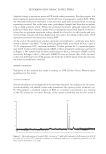
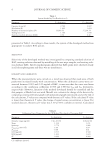
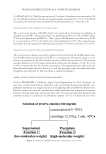
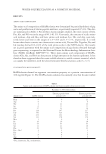
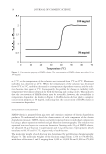
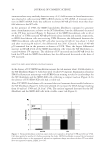
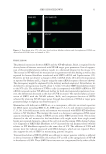
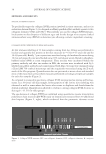
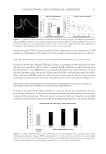
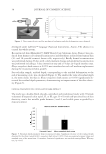
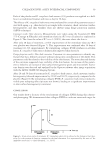
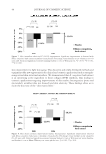
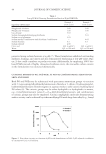
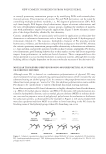
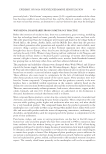
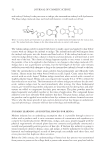
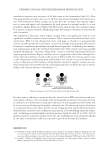
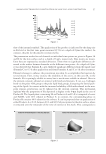
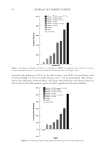
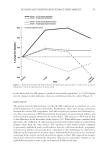
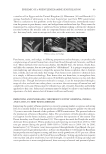
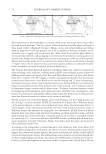
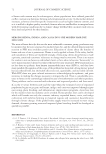
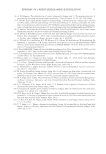
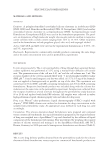
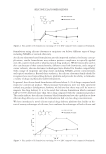
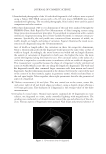
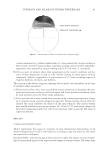
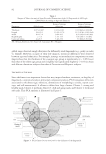
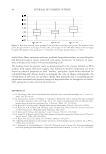
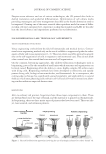
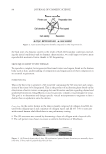
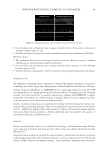
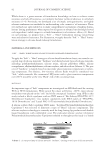
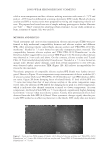
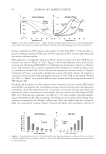
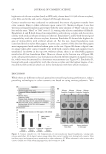
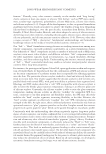
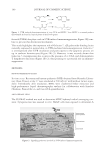
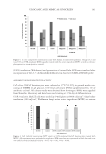
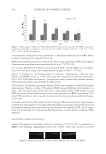
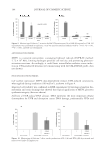
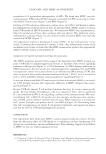
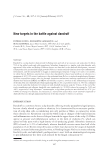
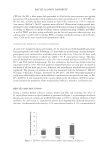
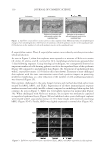
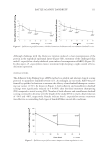
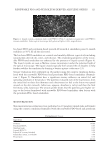
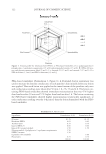
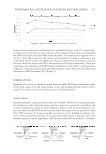
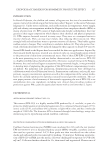
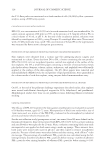
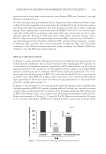
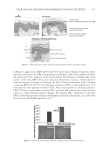
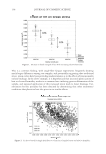
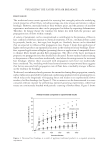
COLLAGEN XVIII: A KEY INTERFACIAL COMPONENT 37 mainly through COL18A1 gene regulation. Gene expression was also reduced after UVB irradiation, highlighting the implication of this target in photoaging (data not shown). NEW ELISA DEVELOPMENT TO SELECT ACTIVE INGREDIENT PROMOTING COL XVIII SYNTHESIS In order to restore the collagen XVIII age decrease, a screening test was developed to iden- tify the best ingredient able to induce collagen XVIII synthesis in adult keratinocytes. For this purpose, a new ELISA test was designed on keratinocytes extracted from a 36 years old skin specimen using the specifi c affi nity-purifi ed rabbit antibody previously described. After culture and ELISA protocol optimizations, several vegetal extracts were evaluated and Khaya senegalensis bark extract was identifi ed as one of the most effi cient (Figure 3). NEW NONCONTACT DEVICE DESIGN FOR MECHANICAL PROPERTIES EVALUATION IN VITRO ON RECONSTRUCTED SKINS TREATED BY K. SENEGALENSIS BARK EXTRACT In order to evaluate the mechanical behavior, a specifi c device was designed for the pur- pose of this evaluation. It allows the assessment without any disturbance and precondi- tioning of the stressed area. This new specifi c noncontact device is based on a controlled air fl ow system and a high laser measurement of displacement (Figure 4). A specifi c software Figure 2. Collagen XVIII localization in skin section and decrease with aging. Left: Mature representative collagen XVIII localization at the dermal epidermal junction X25. Middle: Collagen XVIII protein level in facial skin biopsies (n = 6 per age group, Student’s t test, ***p 0.001. Right: Col18A1 gene expression in keratinocytes from abdominal skin biopsies (n = 50 from 21 to 68 years old). Figure 3. Collagen XVIII stimulation in keratinocytes of a 36 years old donor. Khaya senegalensis bark extract demonstrated signifi cant collagen XVIII stimulation by 0.1%. Data presented as mean values and standard error of the mean from at least seven measures. Statistical signifi cance was assessed running a multiple com- parisons versus untreated control, Dunnett’s method, ***p 0.001, NS: not signifi cant.

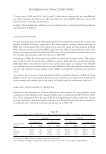
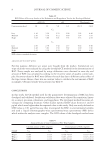
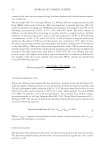
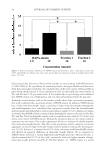
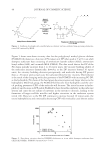
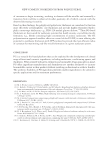
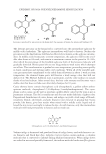
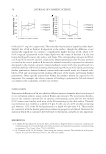
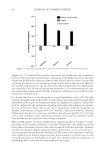
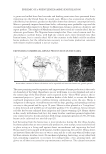
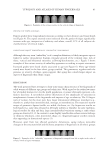
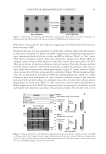
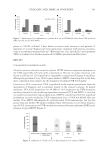
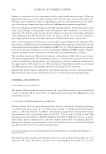
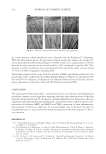
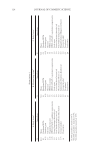
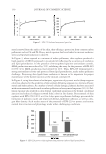
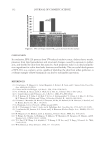
JOURNAL OF COSMETIC SCIENCE 38 developed under LabView™ language (National Instruments, Austin, TX) allows it to control the whole system. Reconstructed skin (Mimeskin™ BASF Beauty Care Solutions, Lyon, France) was pro- duced from human-cell-cultured keratinocytes and fi broblasts isolated from human skin (30- and 18-year-old women’s breast cells, respectively). Briefl y dermal reconstruction was performed during 28 days with a daily medium change and epidermal reconstruction was performed including a 3 days immersion step and a 14 days air–liquid interface step. Khaya senegalensis bark extract at 0.05% was introduced at each cell medium replacement during the reconstructed skin growth. For each skin sample, residual depth, corresponding to the residual deformation at the end of measuring cycle, was calculated (Figure 4). The smaller the value of residual depth is, the more elastic the skin is. Khaya senegalensis bark extract at 0.05% signifi cantly de- creased the residual depth parameter, demonstrating an improvement of the skin elastic- ity (Figure 5). CLINICAL EVALUATION OF K. SENEGALENSIS BARK EXTRACT The study was a double-blind, placebo-controlled, and randomized study with 25 female volunteers (Fitzpatrick skin type I, II, or III ages 53–65) with self-perceived loss of skin elasticity, crow’s feet wrinkle grade between 3 and 4, and visible pores as graded by a clinical scientist. Figure 4. Non-contact device used for mechanical evaluation and skin deformation curve obtained. Figure 5. Residual depth parameter from reconstructed skins. Signifi cant decrease of the residual depth observed for the skins treated with K. senegalensis bark extract 0.05%. Data are presented as mean values and standard error of the mean from 13 measures. Statistical signifi cance was assessed running Mann–Whitney test, *p 0.05.
Purchased for the exclusive use of nofirst nolast (unknown)
From: SCC Media Library & Resource Center (library.scconline.org)