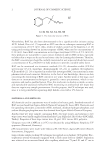
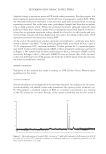
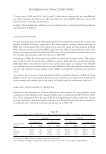
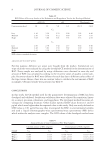
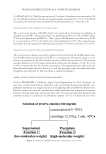
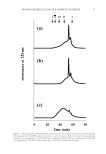
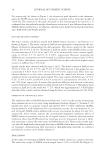
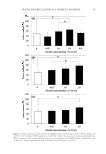
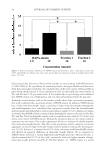
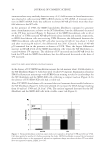
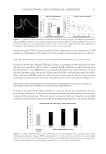
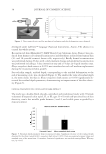
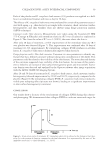
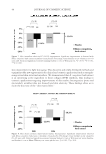
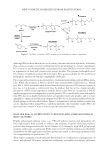
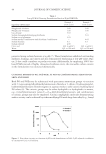
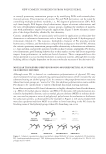
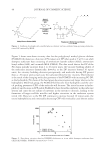
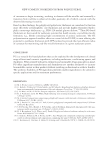
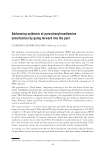
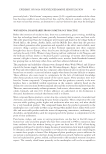
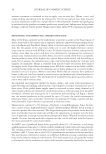
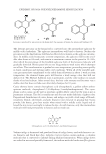
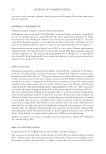
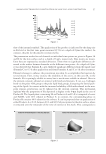
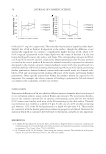
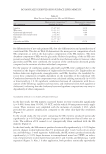
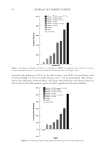
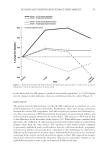
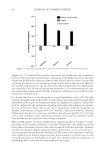
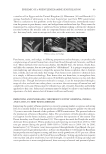
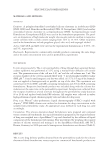
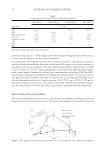
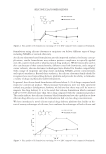
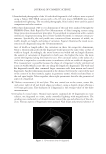
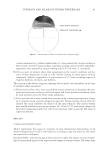
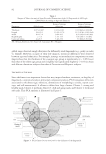
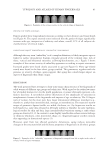
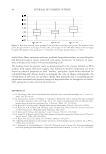
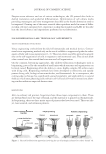
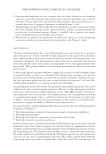
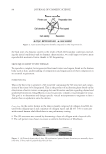
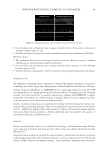
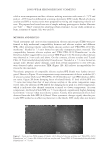
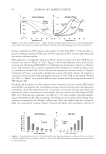
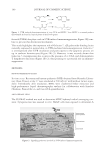
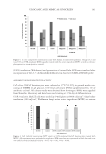
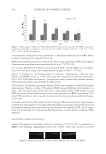
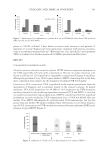
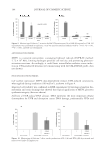
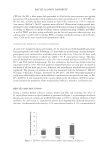
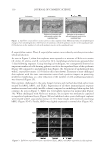
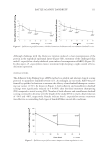
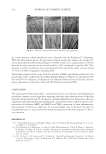
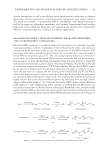
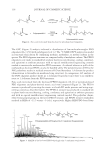
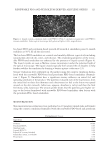
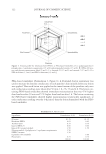
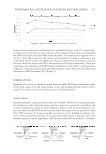
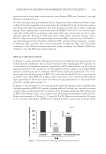
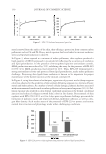
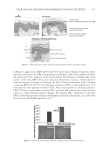
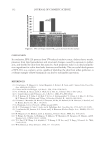
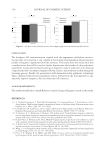
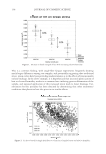
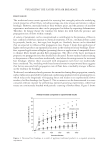
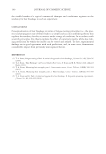
COLLAGEN XVIII: A KEY INTERFACIAL COMPONENT 39 Each of the placebo and K. senegalensis bark extract (1%) products was applied to a half- face in a randomized manner and twice a day for 56 days. The effi cacy of K. senegalensis bark extract was evaluated for certain skin parameters associ- ated with aging, e.g., skin elasticity on temple with cutometer, cheek curvature (surface heterogeneity), and skin wrinkles (data not shown) using fringe projection analysis (AEVA technique). Cutometer results: Skin elasticity. Measurements were taken using the Cutometer® SEM 575 (Courage & Khazaka) and immediate elasticity (R7) was calculated as explained in Figure 6. The closer the value of R7 is to 1 (100%), the more elastic the skin is. After only 28 days of treatment, a 9.6% improvement of the immediate elasticity (R7) over placebo was observed (Figure 7). This improvement was confi rmed after 56 days of treatment (11.6% improvement). By stimulating collagen XVIII synthesis in all skin layers, K. senegalensis bark extract dramatically improved skin elasticity. Fringe projection results: Skin cheek curvature. Curvature is a new parameter to identify any feature that has a defi ned curvature without taking into consideration of the depth. This parameter could be related to the visibility of the skin feature. The more detected density of the curvature suggested more visibility of the skin feature. An increase of this param- eter is linked to an increase of skin surface heterogeneity (pores and microrelief). Curva- ture density was detected and analyzed by the Optocat software after image acquisition with the AEVA 3D-HE 3D Imaging System. After 28 and 56 days of treatment by K. senegalensis bark extract, cheek curvature (surface heterogeneity) showed improvement by 22.8% and 38.2%, respectively, compared to the placebo (Figure 8). By stimulating collagen XVIII, K. senegalensis bark extract induced a visible pore reshaping effect (pictures not shown), leading to a signifi cant improvement in skin surface heterogeneity (curvature). CONCLUSION Our results show a decrease of the total amount of collagen XVIII during skin chrono- and photoaging. We demonstrated that collagen XVIII is a relevant structural target for Figure 6. Stress–strain curve of cutometer. R7 (immediate elasticity) is referred as the biological (net) elas- ticity. It is the portion of elasticity compared to the fi nal distension. It is represented by the ratio of “the immediate retraction” to “fi nal distension,” i.e., Ur/Uf.

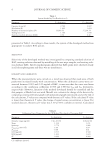
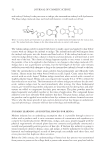
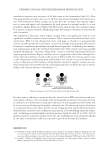
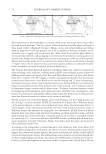
JOURNAL OF COSMETIC SCIENCE 40 skin improvement to fi ght skin aging. This discovery and newly developed methods and equipment offer new opportunities for clinical and cosmetic applications such as strength- ening several skin structural interfaces. We demonstrated that K. senegalensis bark extract is an interesting active ingredient to boost collagen XVIII synthesis, thus leading to cosmetic applications targeting improvements of skin surface heterogeneity (pores and microrelief), wrinkles (data not showed) and skin elasticity. These fi ndings allow us to claim the discovery of the “skin matrix lifter.” Figure 8. Skin cheek curvature improvement (surface heterogeneity). Signifi cant improvement observed with Khaya senegelensis bark extract treatment versus placebo. Percentage versus baseline on 24 volunteers (53–65 years old). Statistical signifi cance assessed running Student’s t test or Wilcoxon test versus baseline, and Student’s t test or Mann–Whitney test versus placebo test, *p 0.05, **p 0.01. Figure 7. Skin immediate elasticity R7 (Ur/Uf) improvement. Signifi cant improvement is observed with Khaya senegelensis bark extract treatment versus placebo. Percentage versus baseline on 25 volunteers (53–65 years old). Statistical signifi cance assessed running Student’s t test or Wilcoxon test, *p 0.05, **p 0.01, ***p 0.001.
Purchased for the exclusive use of nofirst nolast (unknown)
From: SCC Media Library & Resource Center (library.scconline.org)