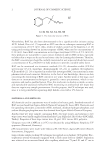
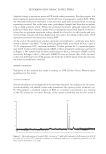
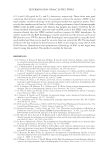
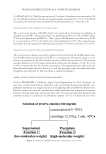
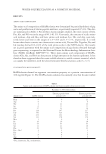
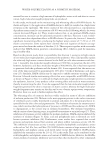
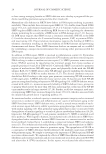
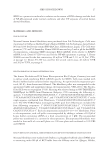
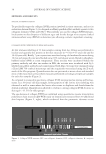
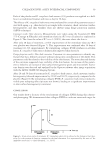
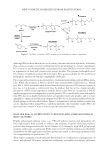
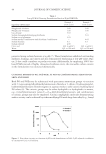
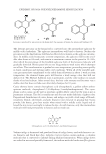
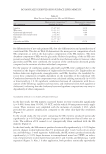
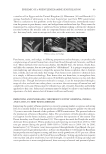
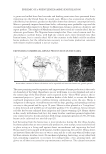
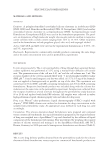
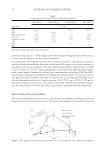
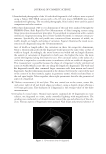
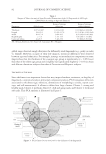
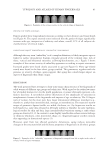
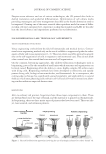
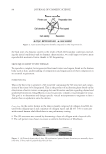
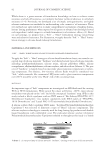
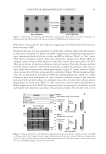
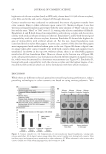
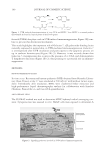
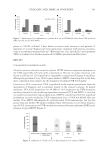
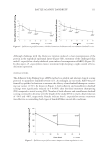
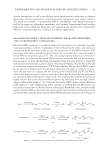
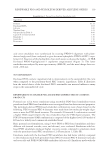
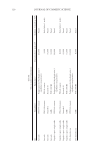
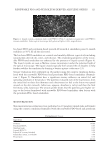
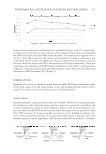
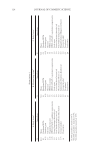
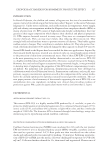
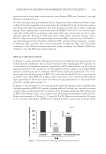
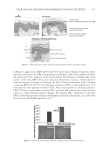
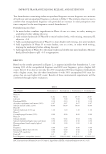
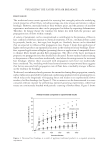
NEW COSMETIC INGREDIENTS FROM POLYGLYCEROL 43 Although PG has been known for over a century, this material offers a plurality of benefi ts that continue to make it a practical platform for the development of cosmetic ingredients. PG is nontoxic and biodegradable, and polyglyceryl esters (PGEs) have been safely used as ingredients in food and cosmetics for several decades. The extreme hydrophilicity of PG renders it highly biocompatible and makes PG a good candidate for the synthesis of hydrophilic moieties in nonionic amphiphilic molecules. PG is especially attractive as an alternative to traditional polyethylene glycol (PEG) chem- istry. While the majority of PEG is derived from nonrenewable feedstocks (e.g., natural gas), PG is 100% renewable when derived from bio-based glycerol. PG does not contain or give rise to 1,4-dioxane, a controversial trace by-product that has led to a negative public perception of PEG-based ingredients (despite the fact that they are recognized as safe by regulatory agencies and independent scientifi c panels). PG is signifi cantly more hydrophilic than PEG due to its higher hydroxyl values at equivalent molecular weights, and it is more amenable to chemical modifi cation compared to PEG due to its greater number of free hy- droxyl groups as sites for substitution. Figure 1 demonstrates various synthetic routes that can be employed when using PG as a synthetic platform this versatility enables PG to be derivatized in a variety of ways to achieve specifi c functional benefi ts. HIGH HLB PGEs AS ALTERNATIVES TO ETHOXYLATED SORBITAN ESTERS IN MILD CLEANSERS Highly ethoxylated sorbitan esters, e.g., PEG-80 sorbitan laurate and polysorbate 20, have traditionally been utilized to enhance the mildness of gentle cleansing products, such as baby shampoos and adult facial cleansers (3,4). Recently, high HLB polyglyceryl nonionic surfactants, in particular PGEs, have received renewed attention as ethoxylate alternatives for this application and have proven successful at delivering mildness with- out compromising on performance (5). Table I shows examples of such surfactant blends based on a combination of polyglyceryl-10 oleate, polyglyceryl-10 laurate, zwitterionic surfactants, and sulfate-free anionic surfactants Figure 1. Synthetic versatility of PG chemistry as a platform for cosmetic ingredients.

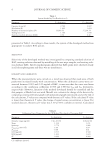
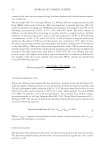
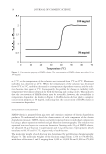
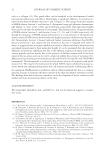
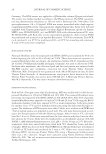
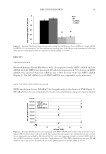
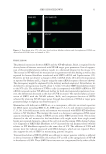
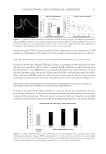
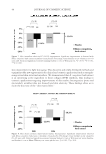
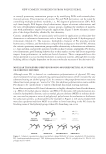
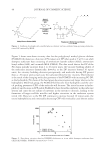
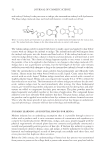
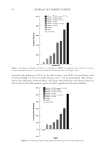
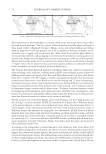
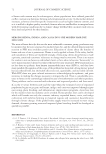
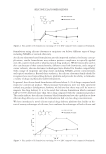
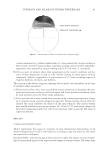
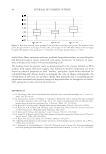
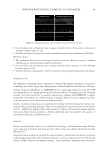
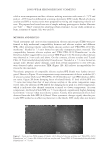
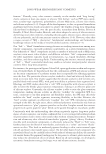
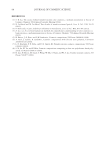
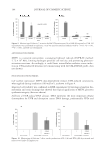
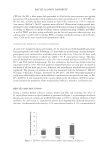
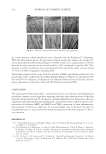
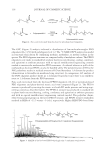
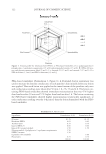
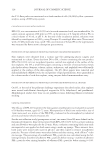
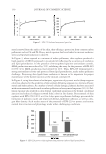
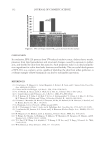
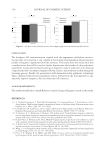
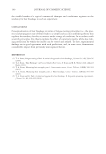
JOURNAL OF COSMETIC SCIENCE 44 preserved using sodium benzoate at a pH 5. These formulations exhibited outstanding mildness, foaming, and clarity and also demonstrated thickening at low pH values (Fig- ure 2) that could contribute to product viscosity. Additionally, by employing 100% bio- based PGEs instead of highly ethoxylated sorbitan esters, the renewable carbon content in the formulations was increased dramatically. CATIONIC ETHERS OF PG AND PGEs AS NOVEL CONDITIONING AGENTS FOR SKIN AND HAIR Both PG and PGEs may be substituted with quaternary ammonium groups via reaction with 2,3-epoxypropylalkyldimethylammonium chloride or 3-chloro-2-hydroxypropylal- kyldimethylammonium chloride reagents in aqueous media to yield cationic hydroxypropyl PG ethers (6). The cationic groups may be either hydrophilic or hydrophobic in nature, e.g., trimethylammonium versus C12–C18 alkyldimethylammonium, and combinations of cationic groups may also be employed. Cationic amphiphilic molecules demonstrating surface activity can be achieved by either modifying PG with long chain alkyl (e.g., lauryl Table I Low pH, Mild Cleansing Formulations Based on High HLB PGEs Ingredient (INCI name) Example 2 (wt% active) Example 7 (wt% active) Polyglyceryl-10 oleate 3.60 3.60 Polyglyceryl-10 laurate 1.00 1.00 Coco-betaine 5.63 – Sodium lauroamphohydroxypropylsulfonate – 5.63 Sodium cocoyl glutamate 4.05 – Sodium methyl 2-sulfolaurate (and) disodium 2-sulfolaurate – 4.05 Sodium benzoate 0.5 0.5 Sodium chloride 4.00 – Citric acid Q.S. to pH 4.5 Q.S. to pH 4.9 Water Q.S. to 100 wt% Q.S. to 100 wt% Figure 2. Zero-shear viscosity as a function of pH for the formulations in Table I. pH adjusted via addition of concentrated citric acid solution.
Purchased for the exclusive use of nofirst nolast (unknown)
From: SCC Media Library & Resource Center (library.scconline.org)