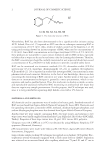
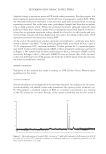
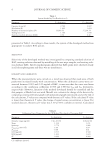
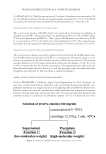
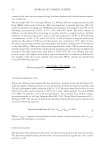
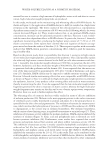
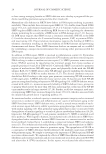
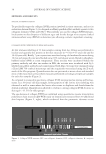
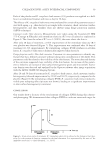
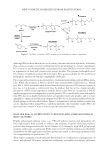
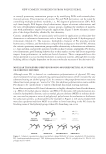
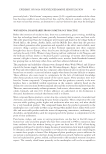
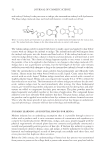
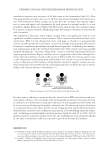
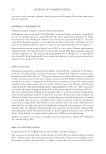
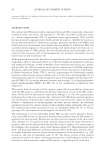
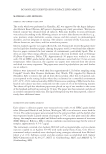
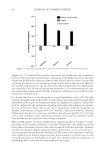
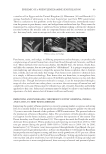
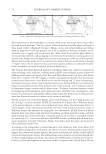
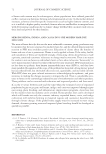
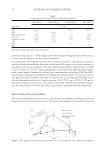
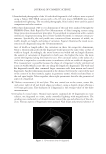
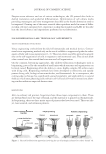
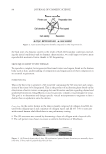
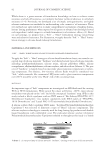
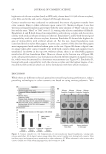
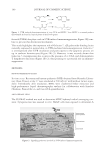
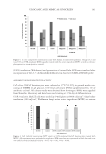
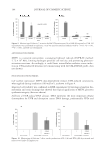
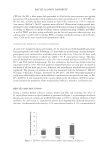
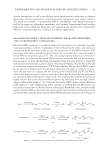
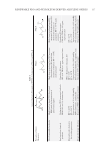
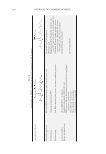
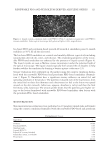
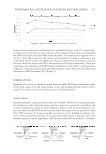
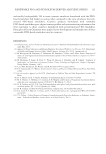
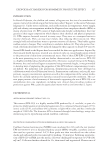
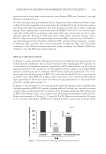
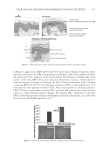
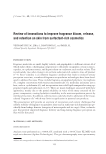
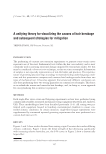
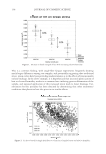
NEW COSMETIC INGREDIENTS FROM POLYGLYCEROL 45 or stearyl) quaternary ammonium groups or by modifying PGEs with trimethylam- monium groups. The properties of cationic PG and PGE derivatives can be tuned by controlling multiple synthetic variables, i.e., PG degree of polymerization (DP), PGE acyl chain length, PGE degree of acyl substitution, degree of cationic substitution, and the ratio of hydrophilic/amphiphilic cationic groups, enabling the synthesis of ingredi- ents with performance targeted to specifi c applications. Figure 3 shows schematic exam- ples of the design fl exibility afforded by this chemistry. Cationic amphiphilic PGs are particularly well suited for application as ethoxylate-free alternatives to substantive humectants such as lauryl methyl gluceth-10 hydroxypropyl- trimonium chloride (7). The nonionic, hydrophilic character of PG provides similar humectancy, mildness, and formulation compatibility analogous to that of PEG, whereas the cationic quaternary ammonium groups enable substantivity to keratinaceous substrates, i.e., hair and skin, and provide antistatic benefi ts on hair. Cationic amphiphilic PG deriva- tives demonstrate good foaming behavior due to their surface activity and do not negatively impact foam performance in surfactant-based cleansers. These compounds have also shown potential to act as micellar thickeners in surfactant systems, although the viscosity building ability is highly dependent on the exact molecular structure of the derivative (6). MICELLAR THICKENERS DERIVED FROM PG-MODIFIED METHYL GLUCOSIDE OR SORBITAN DIESTERS Although most PG is derived via condensation polymerization of glycerol, PG may also be prepared via base-catalyzed ring-opening polymerization of GC initiated by any substrate bearing an alcohol group (2,8). In contrast to the postpolymerization reactions where functional groups are “reacted to” PG, this addition polymerization route enables PG chains to be “grown from” a variety of hydroxyl functional starting materials. In an effort to synthesize PG-based alternatives to highly ethoxylated micellar thickeners, e.g., PEG-120 methyl glucose dioleate and PEG-150 distearate, GC polymerization ini- tiated by hydrophobic diesters, such as methyl glucose dioleate (MGD) or sorbitan diole- ate, was used to prepare a series of polyglyceryl polyol esters for evaluation as thickeners for surfactant systems, as illustrated by the example in Figure 4. GC and acetylated GC were also copolymerized from MGD in an effort to limit branching in the PG chains by blocking some of the hydroxyl groups where PG branching can occur. Figure 3. Schematic representation depicting synthetic design fl exibility of cationic amphiphilic PG derivatives. LD: laurdimoniumhydroxypropyl TM: hydroxypropyltrimonium PG-10: polyglycerin-10 PG-10-1-O: polyglyceryl-10 oleate.

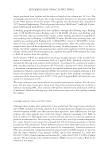
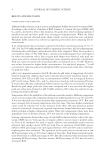
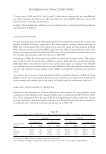
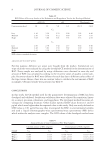
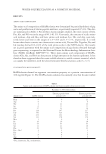
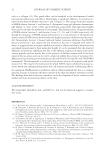
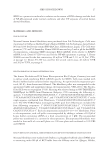
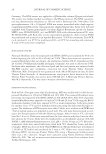
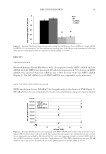
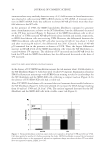
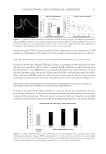
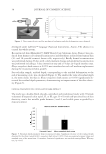
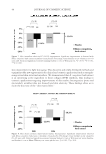
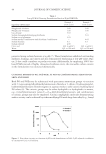
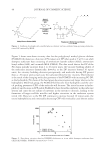
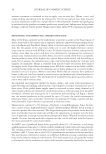
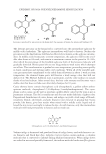
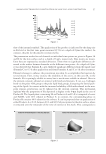
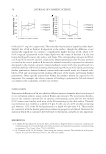
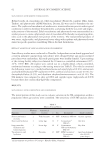
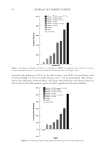
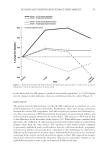
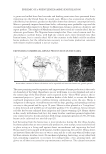
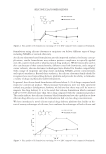
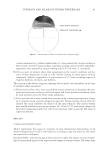
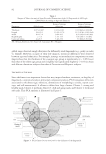
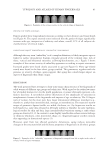
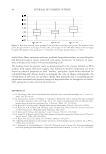
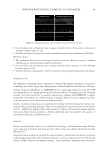
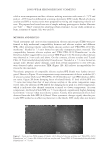
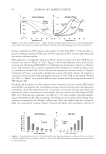
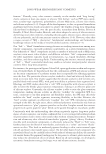
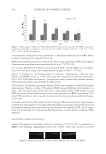
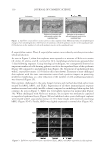
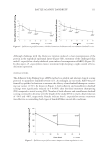
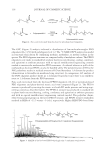
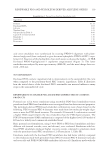
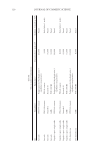
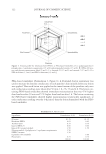
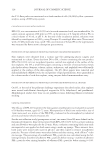
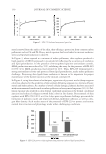
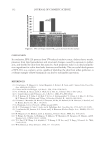
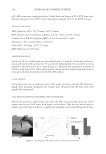
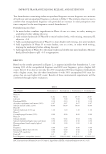
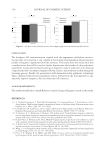
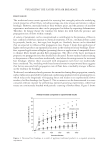
JOURNAL OF COSMETIC SCIENCE 46 Figure 5 shows zero-shear viscosity data for the polyglyceryl methyl glucose dioleate (PGMGD) thickeners as a function of PG repeat unit DP when used at 5 wt% in an adult shampoo surfactant base consisting of ammonium laureth sulfate (ALES), ammonium lauryl sulfate (ALS), and cocamide MEA (CMEA). The data reveal that as the DP of the PG chains initially increases from 4 to 10 repeat units, the viscosity building ability of the molecules increases dramatically however, as the DP increases beyond 10 repeat units, the viscosity building decreases precipitously, and molecules having DP greater than ca. 20 repeat units actual cause the surfactant blend to lose viscosity. This behavior is the result of the changing molecular geometry of the PGMGD with increasing PG DP: as the hydrophilic PG chains of the head group become progressively larger relative to the hydrophobic MGD tail group, the PGMGD will become more hydrophilic and the criti- cal packing parameter (CPP) of the molecule will decrease. The initial increase in hydro- philicity and decrease in CPP enable PGMGD to have favorable solubility in the surfactant system and cause the net radius of curvature in the system to decrease, leading to the formation of longer rod-like micelles and higher viscosities in the surfactant system tested (10). However, as the PG DP continues to increase beyond 10 repeat units, the excess hydrophilicity and continually decreasing CPP will eventually cause the net radius Figure 4. Synthesis of polyglyceryl-n-methyl glucose dioleate via base-catalyzed ring-opening polymeriza- tion of GC initiated by MGD. Figure 5. Zero-shear viscosity data for PGMGD thickeners at in an adult shampoo surfactant base (ALES/ALS/CMEA). PGMGD concentration = 5 wt%.
Purchased for the exclusive use of nofirst nolast (unknown)
From: SCC Media Library & Resource Center (library.scconline.org)