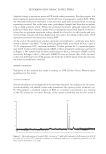
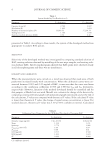
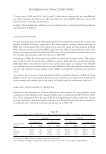
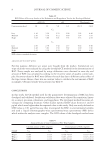
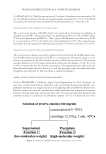
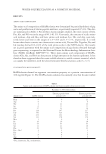
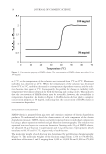
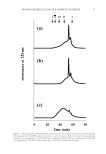
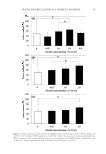
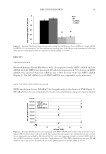
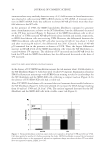
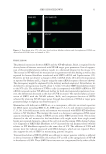
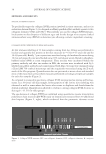
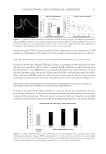
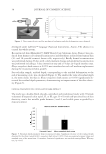
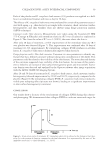
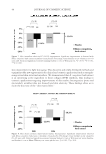
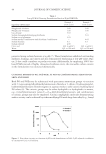
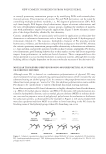
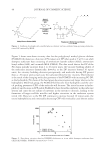
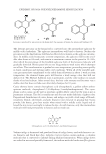
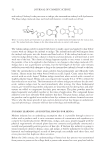
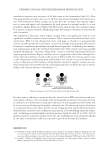
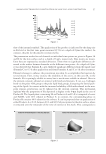
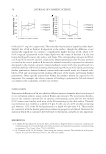
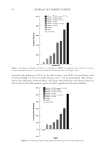
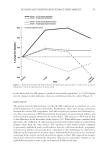
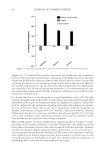
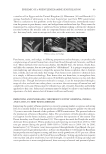
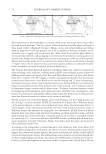
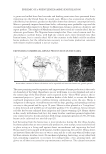
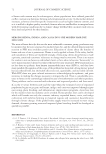
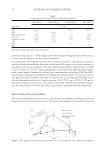
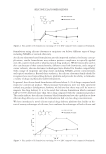
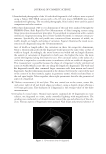
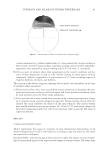
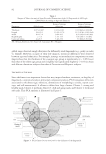
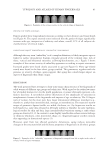
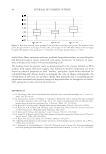
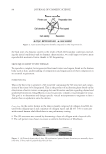
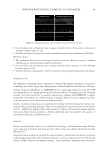
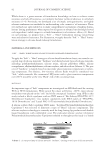
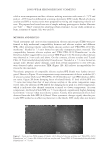
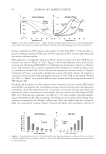
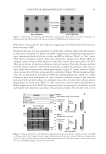
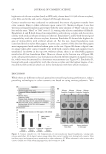
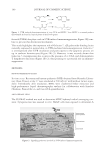
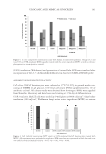
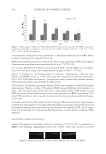
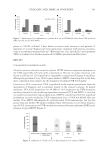
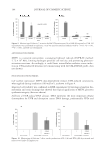
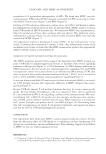
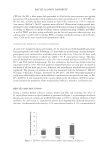
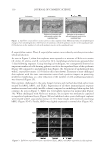
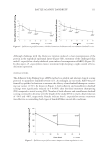
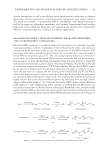
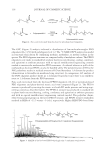
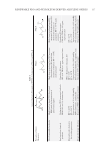
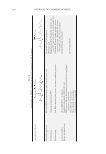
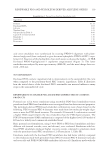
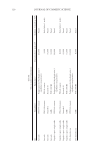
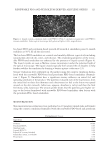
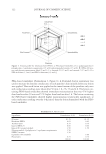
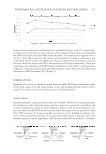
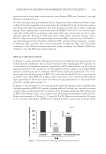
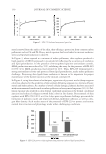
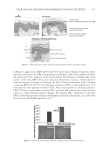
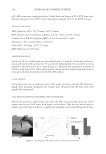
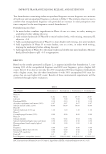
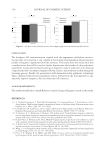
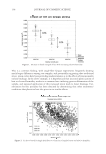
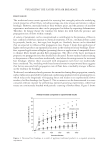
RAMAN SPECTROSCOPIC INVESTIGATION OF SALICYLIC ACID PENETRATION 57 that of the internal standard. The application of the product is indicated by the sharp rise in SA level at the fi rst time point measured (0.5 h) at a depth of 0 μm (the surface). In contrast, the plot for the placebo is relatively fl at. The penetration results for each formula at individual time points are given in Figure 3A and B for the skin surface and at a depth of 6 μm, respectively. Data points are means. Error bars are expressed as standard deviation. There were no signifi cant differences ob- served at the surface between formulae at the different time points. At a depth of 6 μm, it was observed that Formula B, a gel, exhibited signifi cant differences from the liquid toner (Formula C) at 0.5 h after application and from Formulae A and C at 4 h after treatment. Ethanol is known to enhance the penetration into skin. It accomplishes this function by several means. First, it may increase the solubility of the active, in this case SA, in the formula. SA is sparingly soluble in water, but is much more soluble in ethanol. Once in the stratum corneum, ethanol can interact with lipids and proteins. It can, e.g., hydrogen bond via the polar -OH group to the polar lipid head groups, disrupting the lateral pack- ing of the lipids. In concert with the increased solubility of SA with ethanol in the non- polar regions, penetration can be enhanced in the stratum corneum. This mechanism explains why the proportion of SA deposited is higher at the 6-μm depth in the case of Product B. The liquid phase containing SA in Products A and C–E is composed of water and NaOH, with 10% ethanol in Product C in contrast, the corresponding phase in Product B contains 40% ethanol as the solvent. It can be proposed that on application of either Products A or C–E, between 63% and 80% SA precipitated at the skin surface, where it remained over the remainder of the time of interest in this work. This corresponds to Figure 1. Figure 2.

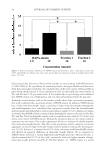
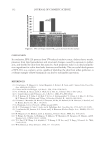
JOURNAL OF COSMETIC SCIENCE 58 0.08 and 0.11 mg/cm2, respectively. The remainder was located at depths less than 6 μm. Slightly less of SA in Product B deposited at the surface, though the difference is not statistically signifi cant. In contrast, a signifi cantly higher fraction of SA, about 12% (0.013 mg/cm2) penetrated to the 6-μm depth over the course of the fi rst 4 h, the rest being distributed between the surface and 6 μm. The corresponding amounts for Prod- ucts A and C–E were 0% and 2%, respectively. Deeper penetration after 4 h may not have occurred in the case of product B because the ethanol eventually evaporated or otherwise dissipated in the stratum corneum. Lowered ethanol content with time would result in a lowered solubility of SA and increasing lateral packing effi ciency of the lipids, preventing further penetration. Lowered ethanol content with time would result in a lowered solu- bility of SA and increasing lateral packing effi ciency of the lipids, preventing further penetration. Other specifi c interactions within the product matrix are expected to be important. For example, the relative amount of binding to polymers by SA and ethanol can infl uence the availability of either one of these. CONCLUSION Penetration differences of SA into skin for different antiacne formulae have been observed in vivo in human subjects using confocal Raman spectroscopy. The penetration distribu- tion in the stratum corneum for an antiacne moisturizing cream and for low-alcohol (10%) toners were similar, with most of the SA remaining on the skin surface. Virtually no penetration was evident at a depth of 6 μm. In the case of a 40% alcohol-containing gel, however, 12% of the SA had penetrated to a depth of 6 μm after 4 h. These results are consistent with the known penetration-enhancing properties of ethanol. However, the matrix in which SA is contained, how SA binds to this matrix, and pH, are also important. REFERENCES (1) L. Rhein, B. Chaudhuri, N. Jivani, H. Fares, and A. Davis, Targeted delivery of salicylic acid from acne treatment products into and through skin: Role of solution and ingredient properties and relationships to irritation, J. Soc. Cosmet. Chem., 55, 65–80(2004). (2) H. Trommer and R. H. H. Neubert, Overcoming the stratum corneum: The modulation of skin pene- tration. A review, Skin Pharmacol. Physiol., 19, 106–121 (2006). Figure 3.
Purchased for the exclusive use of nofirst nolast (unknown)
From: SCC Media Library & Resource Center (library.scconline.org)