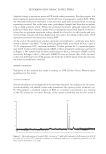
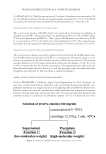
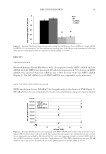
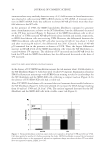
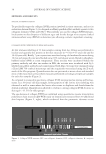
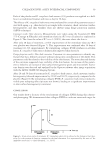
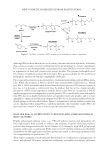
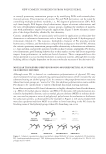
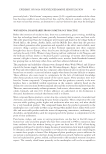
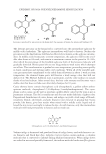
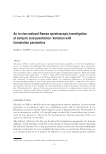
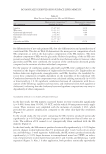
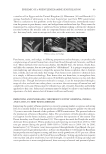
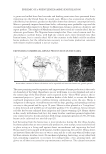
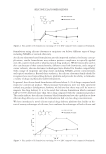
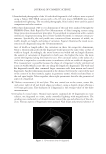
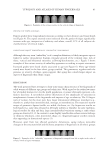
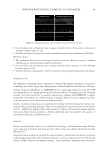
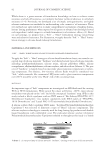
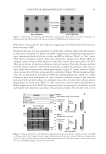
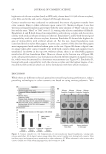
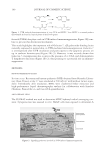
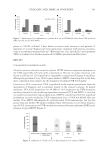
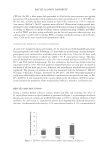
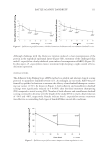
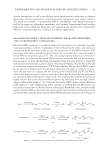
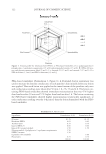
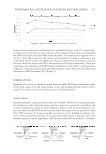
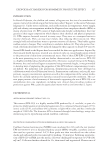
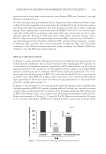
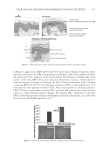
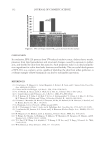
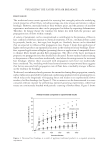
EPIDEMIC OF p-PHENYLENEDIAMINE SENSITIZATION 69 a similar call in Egypt and the United Kingdom (9). Khartoum (10) and Karachi (11) average hundreds of admissions to the main hospital per year from PPD sensitization. There is a solution to this problem: at the fi rst sign of sensitization, immediately transi- tion the person to pure henna, cassia, and indigo from oxidative hair dye. They cannot be transitioned to compound henna or adulterated henna without risking a destructive chemical reaction between the metallic salts in compound henna and the activators in oxidative dye: hair may break, turn an unexpected color, or in the worst case, incinerate. Pure henna, cassia, and indigo, in differing proportions and techniques, can produce the complete range of natural human hair colors from blond through red, brunette, and black (12). These methods were used across Arabia, the Middle East, the Levant, South Asia, and Africa for centuries, but are now regarded as “old fashioned.” It is going to require persis- tent marketing and education to dispel the notion that henna is inferior, that it destroys hair, is fi lthy, and can only make hair orange. Pure henna is not inferior to chemical dyes it is simply a different technology. Pure henna does not harm hair it strengthens hair, protects it from ultraviolet and desiccation. If skillfully applied, henna is no less tidy than chemical dye. Though the lawsone molecule is orange, it can be manipulated through a range of color, and with two other plants, can mirror the entire range of human hair and completely cover gray. Henna must be reframed as a safe, versatile, beautiful, and healthy approach to hair care. Salons and customers must be helped to adjust to and embrace the experience of a slow, nuanced art of women’s self-care and beauty. IMPROVING AND INCREASING THE PRESENT SUPPLY OF HENNA, INDIGO, AND CASSIA TO MEET RISING DEMAND Improving the quality of henna products is crucial to gaining market acceptance and saving lives. It is entirely feasible to scale up production of henna and improve quality over the next 15 years to meet the demand of the epidemic of PPD sensitization. The present leader in the production of henna is Rajasthan, India. The government of India provides substan- tial support for the henna industry, partly to prevent the expansion of the eastern Thar Desert boundary into Punjab farmland (13). This support has made the Punjab the world’s dominant henna producer. Henna production and exporting increased from 4500 to 7600 tons per annum during the period 1988–1993 to 24,000 tons in 2004 (14). In 2006, henna leaves (54,750 metric tons) were registered through Krishi Upaj Mandi, the gov- ernment board of agricultural produce, in Sojat city, Rajasthan (15). Demand for Rajasthani henna production and export is strong and has a steady growth rate of 9% per year. About half of the crop is exported to the United States and Europe. Scaling up production requires time to plant and grow small trees, but with foresight, it is possible. Scaling up indigo and cassia production is more straightforward these are tropical annual and perennial plants. Henna, cassia, and indigo.

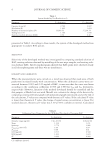
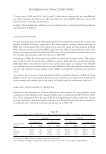
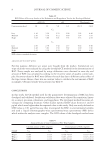
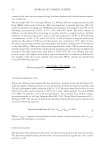
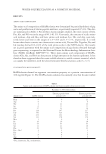
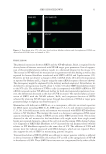
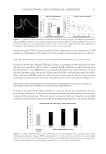
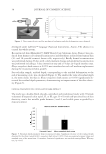
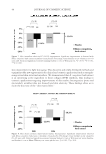
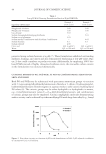
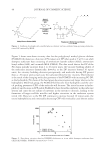
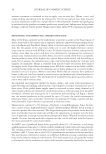
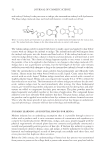
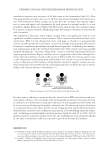
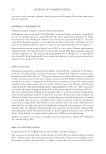
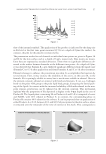
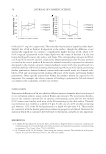
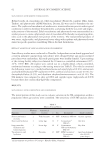
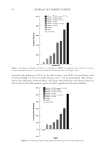
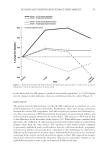
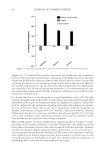
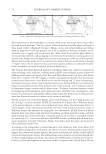
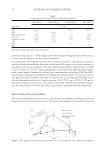
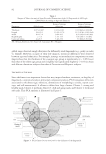
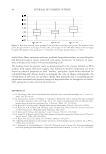
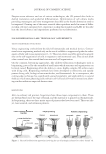
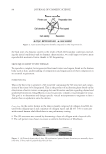
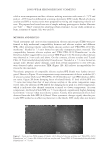
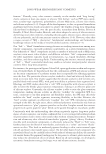
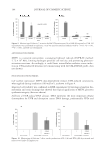
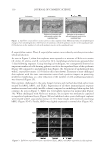
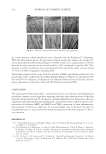
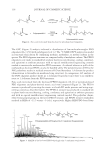
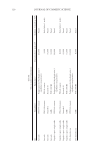
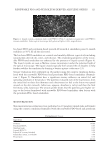
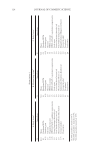
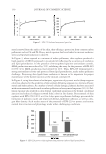
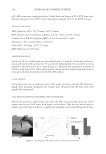
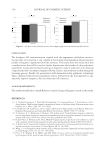
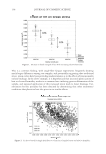
JOURNAL OF COSMETIC SCIENCE 70 Henna presently in the marketplace is coarsely sifted twigs and scraps often cling to hair through several washings. The dye content of henna decreases quickly when packaged in thin, single-walled cellophane envelopes. Henna, cassia, and indigo milling and sifting must be improved to 150 μm particle size to be acceptable to western consumers accus- tomed to easy-to-apply, easy-to-rinse hair dye. There must be no sand or plant debris in the leaf powder. Double-wall packaging is necessary for the powders to retain quality over several years. Indigo must be kept from moisture and freezing, or the dye will be spoiled. Henna must be kept under 32°C to maintain dye quality. Vacuum-packed henna, though it might seem to be an attractive way to preserve quality, adheres to itself and becomes barely breakable even with a hammer (Personal Experience). The Central Arid Zone Research Institute in Jodhpur, India, has conducted research on plant breeding, soils, and pests, enabling more reliable crops of higher quality. Improved milling and an improved supply chain has made Rajasthani henna cost more than henna from other countries (16). The supply is reliable and quality predictable, but the lawsone content varies from year to year. Based on my own lab testing and 25 years of experience, the highest lawsone content crops from Rajasthan occur during El Nino events when the plants are stressed by extreme heat and late onset of the monsoon. Lower lawsone contents in Rajasthani henna correlate with La Nina events. To obtain consistent lawsone content for marketing and formulation, more than one source will have to be developed to com- pensate for variation in crop quality. Other countries produce henna, but no other govern- ment has allocated resources to henna to the extent as has India. On the western side of the Thar Desert, henna from Pakistan can be of high quality and the milling is usually excellent. LUKE II examinations of henna show Pakistani henna can be grown adjacent to other crops unlike Sojat henna where the main henna district is monocropped. I have found pesticide blow-over from both tomato and cotton crops in Pakistani henna the amounts are negligible, but measurable. LUKE II tests of henna from the Sojat crops often reveal low levels of synthetic pyrethrin pesticide residue, probably from treating the castor semi-looper caterpillar (Achaea janata) that occasionally invades the monocrop (17), and occasional detectable DDT residue, probably drifted from mos- quito treatments of nearby habitation. Henna from India often has green dyed sand and other adulterants added (18). According to the independent certifi ed laboratory tests (Alkemist Labs, Costa Mesa, CA) and my personal experience with henna over the last 25 years, Yemen produces some of the highest dye content and cleanest henna I have never found pesticide residue in the LUKE II tests in the henna from Yemen. The milling from some producers is very fi ne though oth- ers have rough milling and sifting. At present the infrastructure in Yemen has been bro- ken by civil war and suppliers are presently unable to export to the United States. Henna Areas suitable for growing henna, and centers of commercial henna production, 2009.
Purchased for the exclusive use of nofirst nolast (unknown)
From: SCC Media Library & Resource Center (library.scconline.org)