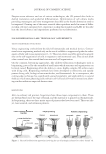
SILICONE ELASTOMER BLENDS 75 MATERIALS AND METHODS MATERIALS Excipients. A polyglycol-modifi ed cross-linked silicone elastomer in isododecane (IDD) [INCI: IDD (and) Dimethicone/Bis-isobutyl PPG 20 Crosspolymer (SiE1)] and another cross-linked silicone elastomer in cyclopentasiloxane [INCI: Cyclopentasiloxane (and) Dimethicone Crosspolymer (SiE2)] were used in the formulation preparation. The prod- ucts are dispersions of high molecular weight silicone gels particles swollen in respective carrier solvents with a solids content ranging from 12% to 15.75%. Other excipients used in the formulations include propylene glycol, oleic acid, and isopropyl alcohol. Actives. CLP, DCF, and LDC were used in the experimental formulations at 0.05%, 1%, and 5%, respectively. Benchmarks. Representative commercially available products containing the same drugs and at the same concentration were used in permeability experiments. TEST METHODS In vitro drug permeability. The in vitro permeability of drug through heat-separated human cadaver epidermis was performed at 32°C using a manual Franz diffusion cell console unit. The permeation area of the cell was 0.63 cm2 and the cell volume was 5 ml. The receptor chamber of the cell was initially fi lled with ∼3 ml of phosphate-buffered saline (PBS, pH 7.4) and a small magnetic stir bar was added. A 15.5 ± 0.5 mg of the formula- tion was applied as homogeneously as possible on top of the skin. The experiment was carried out for 8 h for DCF- and LDC-containing formulations and 26 h for CLP-containing formulations. Respective benchmark product was included along with the silicone for- mulations at the same time in the permeability experiment. Samples were collected from the receptor chamber at several intervals throughout the permeability study duration (8 or 26 h) and replaced with fresh PBS solution. All samples were collected in amber high-performance liquid chromatography vials and taken for drug assay. Drug assay. Waters® ultra-performance liquid chromatography (UPLC) coupled with Acquity® UPLC BEH column were utilized to determine the drug concentration in the samples from permeability study. An appropriate assay method for each drug was used accordingly. Formulations. The silicone elastomer–based formulations were prepared and compared versus commercial benchmarks. In a typical formulation preparation, the required amount of drug was weighed into a SpeedMixer™ cup and dissolved by the addition of liquid components of the formulation with mixing. This was followed by weighing the required amount of silicone material and mixing it in the SpeedMixer (Hauschild, AM 501T, Hamm, Germany) at 3000 rpm until a homogeneous formulation was obtained (Table I). RESULTS The in vitro drug delivery profi les obtained from the permeability study for the silicone elastomer blend formulations versus respective commercial benchmark products are

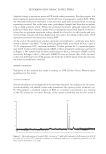
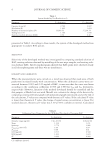
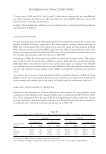
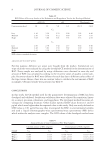
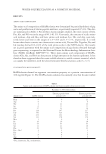
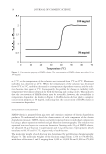
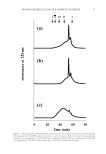
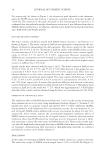
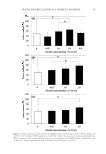
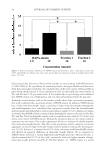
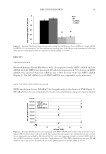
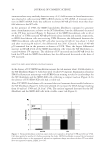
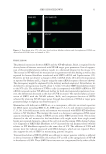
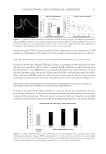
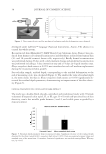
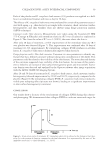
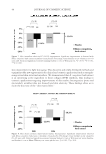
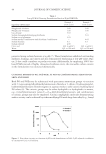
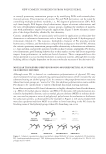
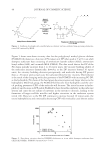
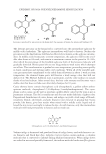
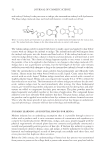
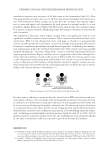
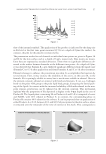
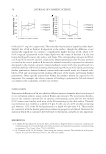
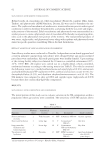
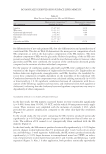
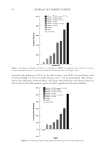
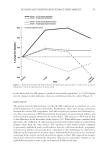
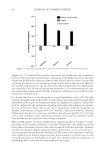
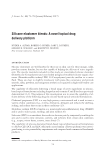
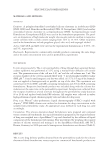
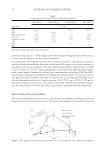
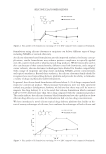
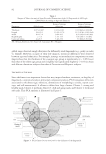
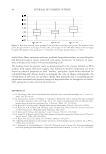
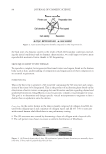
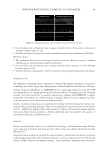
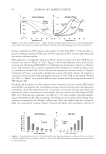
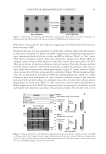
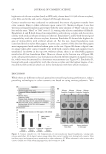
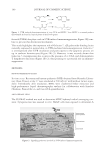
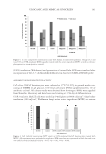
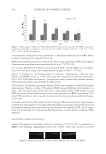
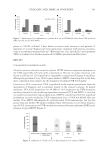
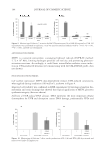
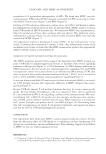
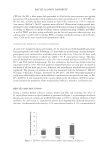
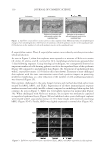
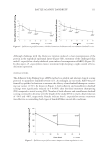
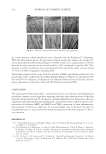
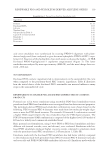
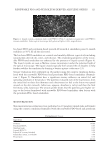
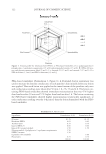
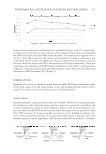
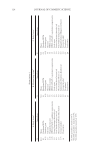
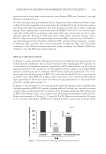
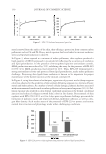
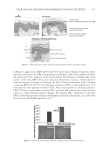
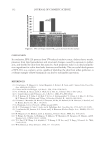
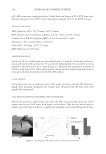
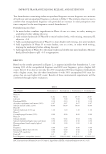
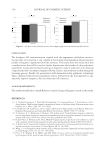
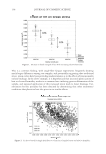
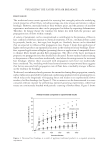
JOURNAL OF COSMETIC SCIENCE 76 provided in Figures 1–3. These fi gures show the amount of drug delivered with respect to time and area (fl ux) across the cadaver epidermis. On comparing with drug delivered by the commercial products, the silicone elastomer– based prototype formulations delivered either equal and in most cases higher amount of the drug across the skin epidermis. The silicone formulation (SiE1) released about 3× DCF (5.92 ± 0.5 μg vs 2.01 ± 0.7 μg) cumulatively in an 8-h period while showing compa- rable release profi le. Irrespective of very low concentration of the drug CLP, the SiE2- based silicone formulation delivered over double the amount (5181 ± 1457 ng vs 2128 ± 218 ng) delivered by commercial product cumulatively in a 26-h period. The SiE1-based silicone formulation delivered a similar amount (2431 ± 591 ng vs 2128 ± 218 ng) to that of benchmark cumulatively at the same 26-h period. The SiE1-based LDC formula- tion delivered about 2× (146.4 μg vs 60.6 μg) amount compared with the benchmark. DISCUSSION AND CONCLUSION The active-loaded formulations based on silicone elastomer blend technologies delivered drugs effectively across the skin in vitro. The study data support the concept that topical Table I Composition of the Silicone Elastomer Blend Formulations Ingredient SiE1-CLP gel SiE2-CLP gel SiE1-DCF-gel SiE1-LDC gel % (w/w) SiE1 60.47a - 69.3 66.5 SiE2 - 74.90a - - Propylene glycol 9.57 6.73 7.1 6.8 Oleic acid 1.06 0.75 0.8 0.8 Isopropyl alcohol 28.85 17.57 21.8 20.9 CLP 0.05 0.05 - - DCF - - 1.0 - LDC - - - 5.0 aElastomer blends with 26% solids were utilized. Figure 1. Flux profi les of Si formulation containing 0.05% w/w CLP compared with commercial benchmark.
Purchased for the exclusive use of nofirst nolast (unknown)
From: SCC Media Library & Resource Center (library.scconline.org)