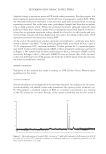
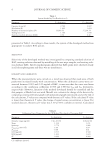
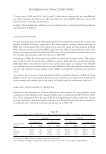
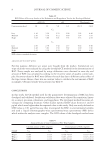
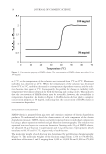
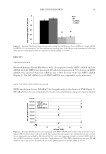
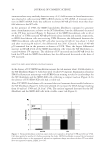
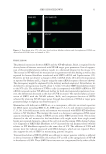
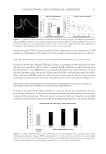
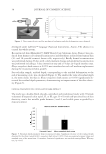
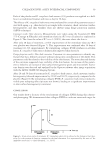
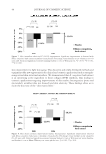
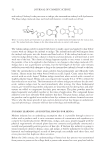
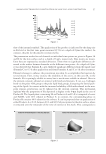
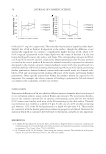
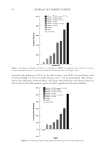
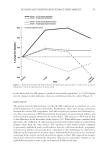
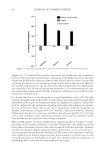
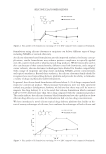
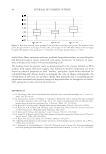
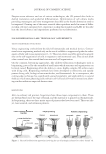
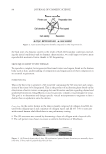
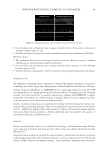
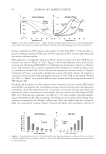
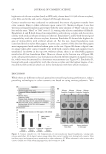
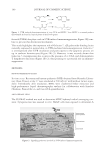
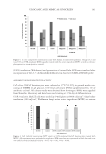
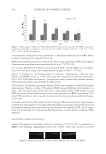
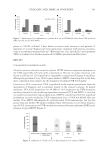
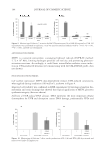
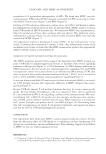
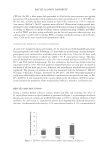
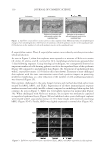
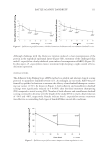
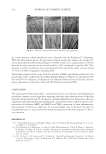
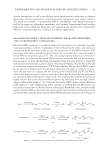
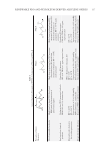
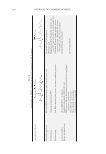
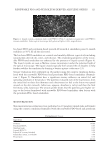
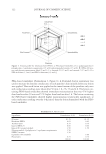
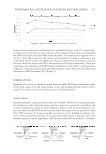
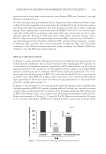
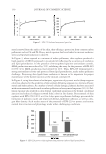
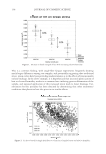
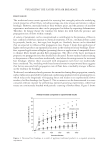
SILICONE ELASTOMER BLENDS 77 formulations using silicone elastomer as excipients can deliver different types of drugs including NSAIDs or steroids effi ciently. As silicone elastomer-based formulations provide improved aesthetics for beauty care ap- plications, similar formulations may enhance patience compliance in topically applied over-the-counter medicated or pharmaceutical drug products. While historically used in skin care because of their sensory benefi ts, different cross-link chemistries, and a range of carrier solvents, silicone elastomer technologies have allowed for broader compatibility with a range of excipients and drug classes including NSAIDs, potent corticosteroids, and topical anesthetics. Beyond their aesthetics, the silicone elastomer family should be recognized as a novel topical drug delivery platform and provides the ability to formulate a variety of drugs in physically stable formulations. In general, the silicone-based formulations delivered about 2–3× of drugs compared with respective commercial product. These prototype formulations were not fully optimized toward any product development however, we believe that there may still be room to improve the drug delivery. It is to be noted that silicone formulation which contained CLP at 0.05% delivered more than twice drug compared with the commercial product. The results indicate that silicone elastomer blend formulations have the capability to show effi cient drug delivery even when the formulations had very low drug concentrations. We have introduced a novel silicone topical drug delivery platform that builds on his- torical sensory advantages of silicones, but combines the advantages of both silicone and Figure 3. Flux profi les of Si formulation containing 5% w/w LDC compared with commercial benchmark. Figure 2. Flux profi les of Si formulation containing 1% w/w DCF compared with commercial benchmark.

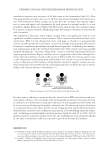
JOURNAL OF COSMETIC SCIENCE 78 organic chemistries. The silicone elastomer blends provide the ability to formulate a va- riety of drugs in physically stable formulations using different cross-link chemistries, and a range of swelling carrier solvents provide compatibility with a range of other excipients and drugs classes including NSAIDs, potent corticosteroids, and topical anesthetics. The above-referenced test results have demonstrated an ability of silicone elastomer blends to help deliver drugs effi ciently in vitro and modulate delivery profi le using differ- ent solvents or penetration enhancers. Preliminary in vivo results of ibuprofen formula- tions also support in vitro results. ACKNOWLEDGMENTS We acknowledge the use of human cadaver skin provided by the National Disease Research Interchange (NDRI) with support from NIH grant 5 U42 RR006042. REFERENCES (1) H. Aliyar, R. Huber, G. Loubert, and G. Schalau II, Effi cient ibuprofen delivery from anhydrous semi- solid formulation based on a novel crosslinked silicone polymer network: An in vitro and in vivo study, J. Pharm. Sci., 103, 2005–2011 (2014). (2) B. D. Maxon and M. S. Starch, Water-in-oil emulsion for personal care applications, e.g., antiperspi- rants, perfumes and make-ups, comprises linear silicone polyether, alpha, omega-diene crosslinked sili- cone elastomer, and nonionic organic emulsifi er. US patent 20030119779. (3) I. Van Reeth, R. Bao, Y. Kaneta, C. Delvallé, and B. Sillard-Durand, Silicone emulsifi ers and formula- tion techniques for stable, aesthetic products, Cosm & Toil., 126(10), 720 (2011). (4) http://www.mayoclinic.org/drugs-supplements/clobetasol-topical-applicationroute/description/drg- 20073860. (5) http://www.drugs.com/cdi/. (6) http://pubchem.ncbi.nlm.nih.gov/compound/Diclofenac_sodium. (7) http://www.mayoclinic.org/drugs-supplements/lidocaine-topical-application-route/description/ drg-20072776.
Purchased for the exclusive use of nofirst nolast (unknown)
From: SCC Media Library & Resource Center (library.scconline.org)