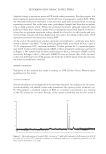
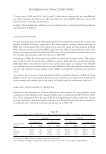
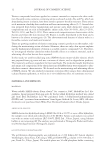
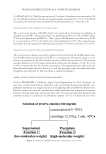
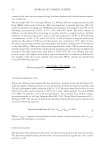
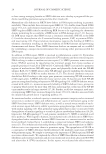
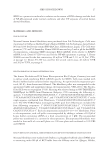
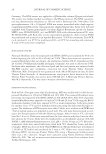
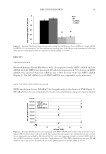
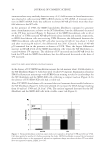
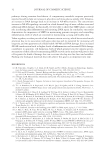
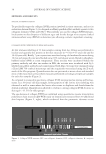
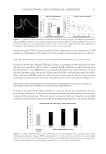
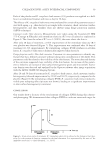
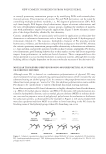
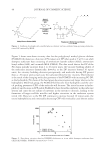
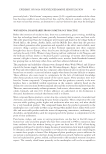
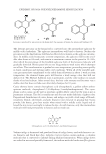
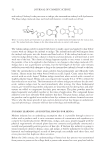
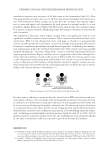
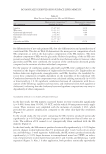
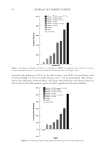
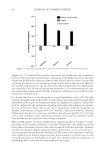
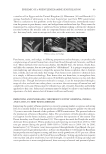
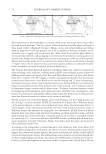
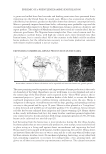
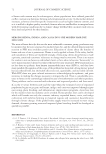
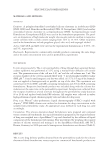
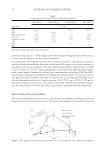
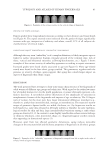
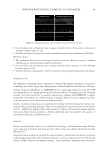
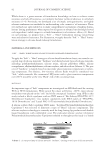
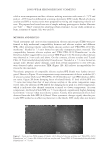
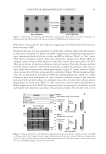
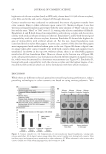
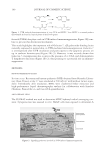
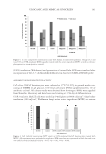
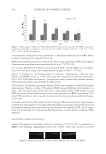
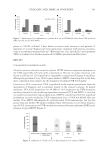
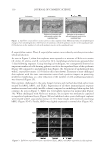
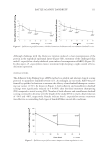
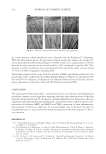
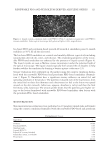
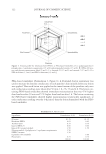
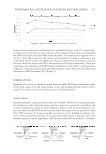
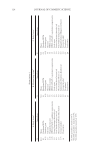
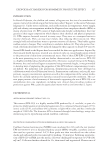
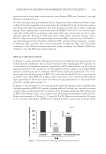
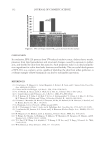
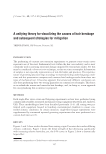
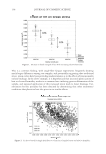
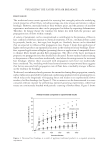
TYPOLOGY AND ATLASES OF HUMAN FINGERNAILS 83 PRESENCE OF VERTICAL RIDGES Experts graded these longitudinal striations according to their densities and visual depth (see Figure 4). The expert assessed scores indicated that the grades of ridges signifi cantly increase with age, irrespective of ethnicity and where, overall, 67% of all subjects de- clared presence of vertical ridges. EXPERT AND SUBJECT PERCEPTION OF “UNHEALTHY” FINGERNAILS Although the very term “unhealthy” is of a complex defi nition, it likely integrates aspects linked to surface irregularities (bumps, irregular growth of the terminal edge, lack of shine, vertical and horizontal striations, yellowing/discoloration, etc.). Figure 5 shows examples of the various severity of unhealthy appearance according to expert assessment. Increased grades were found clearly associated to age (see Figure 6). These age-related trends were found in the four ethnic groups studied. This parameter, together with the presence or severity of ridges, again suggests that aging has a much larger impact on aspects of fi ngernails than ethnic origin. DISCUSSION The work presented here attempts to draw some major characteristics of the fi ngernails of adult women of different age groups and ethnicities. With regard to the rather low num- ber of studied women vis à vis the world population, it cannot obviously represent a de- fi nitive data base. It nevertheless allows observation of low amplitudes of variations in morphometric features of the fi ngernails and impacts of age or ethnicity. The 10 fi nger- nails of women, for the most part, have larger dimensional differences interdigit (e.g., thumbs vs. pinky) than interindividual, interage, or interethnicity. The respective narrow ranges of geometric fi gures (width, arc width, thickness, etc.) by fi ngers are similar on both hands (e.g. same data obtained in left/right indexes or thumbs). In some epidemio- logical studies for skin and hair, large interindividual variations among a same ethnic group are observed (1, 2). In contrast to some highly variable skin or hair criteria with age or ethnicity (thickness, color, microrelief, shape, etc.) fi ngernails appear a rather constant skin appendage in dimensional aspects (3). However, apart from low affected geometric dimensions, aging induces noticeable changes in the structure/relief and thickness properties of fi ngernails in all ethnic groups Figure 4. Examples of the various severity in the vertical ridges of fi ngernails. Figure 5. Examples of the “unhealthy” appearance of fi ngernails arranged from left to right in the order of severity based on expert assessment.

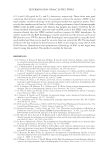
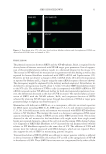
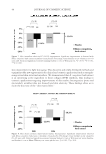
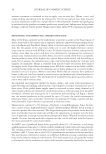
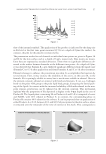
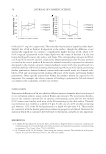
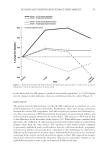
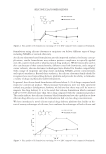
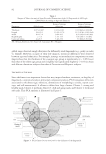
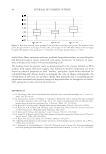
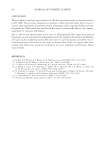
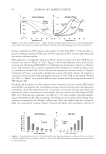
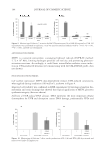
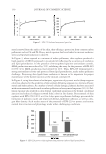
JOURNAL OF COSMETIC SCIENCE 84 Figure 6. Box chart showing expert grading of vertical ridges according to age groups. The number of data points for ages 18–30 is 75, for ages 31–50 is 105, and for ages 51–70 is 88. The severity of vertical ridges is signifi cantly higher in the age group 51–70 than the two younger groups (Tukey, p 0.001). studied here. More numerous and more profound longitudinal ridges, increased fragility and brittleness appear closely associated with aging, irrespective of ethnicity, in agree- ment with previous works (4–8) and methodologies (9). The fi ndings from the present study (as demonstrated by the clusters defi ned via PCA analysis with regard thickness) suggest that differences between fi ngernails are more driven by physical properties or their “healthy” perception. Apart from individual (or culturally/ethnically driven) desires in changing the color or shapes of fi ngernails, the development of new nail care products should then primarily aim at camoufl aging the progressive structural and physical changes of fi ngernails that are brought by an ineluc- table aging process that concerns all ethnicities. REFERENCES (1) D. Saint-Leger, The colour of the human skin: Fruitful science, unsuitable wordings, Int. J. Cosmet. Sci., 37(3), 259–265 (2015). (2) G. Loussouarn, I. Lozano, S. Panhard, C. Collaudin, C El Rawadi, and G. Genain, Diversity in human hair growth, diameter, colour and shape. An in vivo study on young adults from 24 different ethnic groups observed in the fi ve continents, Eur. J. Dermatol., 26(2), 144–154 (2016). (3) R. Baran, R. P. Dawber, and E. Haneke, Hair and nail relationship, Skinmed., 4(1), 18–23 (2005). (4) R. Baran, D. A. R. de Berker, M. Holzberg, and L. Thomas. Eds., Baran & Dawber’s Diseases of the Nails and Their Management. (Wiley Blackwell, Chichester, UK, 2012). (5) R. Baran and D. Schoon, Nail beauty, J. Cosmet. Dermatol., 3(3), 167–170 (2004). (6) G. Singh, N. S. Haneef, and A. Uday, Nail changes and disorders among the elderly, Indian J. Dermatol. Venereol. Leprol., 71(6), 386–392 (2005). (7) R. Baran, The nail in the elderly, Clin. Dermatol., 29(1), 54–60 (2011). (8) S. Murdan, Nail disorders in older people and aspects of their pharmaceutical treatment. Int. J. Pharm., 515(2), 405–411 (2016). (9) C. Ludwinski, A. Clochard-Bossuet, T. Chen, K. Norwood, and C. Oresajo, Use of optical profi lometry and visual grading for measurement of longitudinal striations of the nail, J. Cosmet. Sci., 67, 1–8 (2016).
Purchased for the exclusive use of nofirst nolast (unknown)
From: SCC Media Library & Resource Center (library.scconline.org)