J. Cosmet. Sci., 68, 91–98 ( January/February 2017) 91 A general formulation strategy toward long-wear color cosmetics with sebum resistance A podium presentation at the 29th Congress of the IFSCC, Orlando, FL, 2016 ZHI LI, BARTLEY MAXON, KIMMAI NGUYEN, MYOUNGBAE LEE, MENG GU, and PAUL PRETZER, Dow Corning Corporate, Midland, MI. Abstract We propose a “Soft” + “Hard” formulation strategy for long-wear and sebum/oil-resistant makeup. The ratios of “Hard” nonvolatile components (e.g., resins, particulates, and solid emulsifi ers) and compatible “Soft” nonvolatile components (e.g., nonvolatile oils and liquid emulsifi ers) may be carefully adjusted to create desired long-wear performance and sensory. For a given formulation chassis, we recommend studying compatibility and viscoelastic profi les of blends made of “Hard” polymeric resins and “Soft” structuring polymers to gain fundamental understanding of the polymer matrix for pigment adhesion. Enhanced oil/ sebum resistance may be achieved, where there is good compatibility among the “Soft” and “Hard” polymeric components and where there is considerable immiscibility between oil/sebum and each nonvolatile component. Our strategy may help promote cosmetic formulation development based on rational design and understanding interactions among components, develop novel long-wear formulation chassis, and properly evaluate emerging new technologies. INTRODUCTION Since the early 1990s, the product category of long-lasting facial makeup has grown from just for a few niche lines to cover mainstream mass-market offerings and many premier brands. With the selfi e craze, high-defi nition cameras, and multimedia displays, consum- ers nowadays want to look fl awless on social media and in person throughout the day. As a result, our industry has been investing a considerable amount of resources for technical breakthroughs at this frontier (1,2). Recent formulation advances have transformed the perception of these products from drying/tacky and paint-like sensory and appearance to that of regular makeup (1–3). Sebum is recognized as a major cause for makeup deterioration over time. Secreted from human sebaceous glands, sebum is mainly made of triglyceride oils, fatty acids, wax, and squalene. Sebum may not only lead to uneven facial makeup application, but also excessive plasticization of cosmetic fi lms, wetting of pigments, and weakened makeup adhesion to the skin. This can result in oily appearance, makeup shade change, and easier transfer. Address all correspondence to Zhi Li at lizhi99@gmail.com.

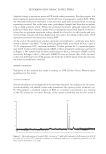
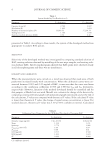
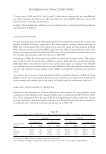
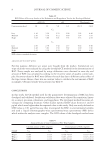
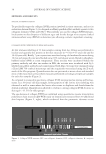
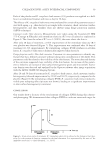
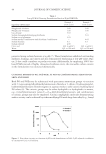
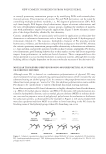
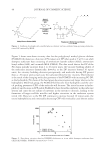
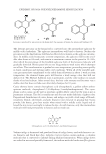
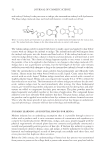
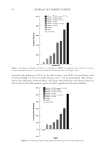
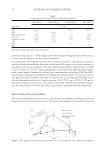
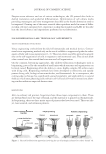
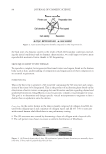
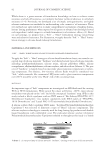
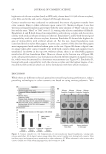
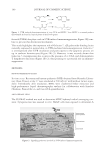
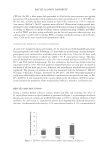
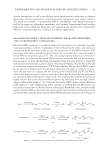
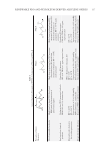
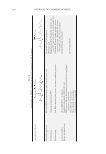
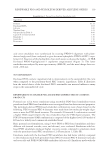
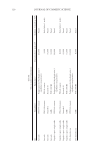
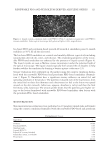
JOURNAL OF COSMETIC SCIENCE 92 While there is a great amount of formulation knowledge on how to achieve water resistance and rub-off resistance, our industry has fewer technical advances in oil/sebum resistance (1–4). Previously, we developed a set of simple, semiquantitative, yet highly relevant nonhuman test methods for understanding color cosmetics’ oil resistance. Those test methods not only enabled us to make comprehensive assessments of makeup formu- lations’ lasting performance when exposed to oil (grease or sebum), but also helped reveal each ingredient’s subtle impact to a fi nish formulation’s oil resistance effi cacy (4). Based on our learnings, we propose here a “Soft” + “Hard” formulation strategy toward long wear and sebum/oil resistance. For illustration, we apply here the “Soft” + “Hard” formu- lation strategy to silicone-based makeup formulations. MATERIALS AND METHODS “SOFT” + “HARD” FORMULATION STRATEGY FOR SILICONE-BASED FORMULATIONS To apply the “Soft” + “Hard” strategy to silicone-based formulation chassis, we created a con- ceptual map of silicone materials’ “hardness” and charted several types of silicone materials, including polydimethylsiloxanes, silicone resins, silicone polyethers (SPEs), silicone crosspolymers, alkylmethylsiloxanes, silicone acrylates, and silica silicate (Scheme 1). The per- ceived “hardness” is largely based on materials’ glass transition temperature or soften- ing temperature. For instance, low-viscosity silicone fl uids would be considered very “Soft,” while materials like commercial MQ resins with a glass transition temperature over 200°C would be at the very “Hard” end of the conceptual map. MATERIALS An important type of “Soft” components we investigated are SPE fl uids used for creating W/Si or W/O formulations. With typical Tg values well below -100°C, most silicone emulsifi ers were placed on the “soft” end of the conceptual “hardness” map. SPEs in this study include a block copolymer with an INCI name of “Bis-Isobutyl PEG/PPG-10/7/ Dimethicone Copolymer,” two random copolymers with INCI names of “PEG/PPG- 19/19 Dimethicone” and “Lauryl PEG-10 Tris(trimethylsiloxy)silylethyl Dimethicone.” A silicone acrylate (SiAc) copolymer (INCI name: “Acrylates/Polytrimethylsiloxymethacrylate Copolymer”) was selected to illustrate a type of “Hard” silicone components. The silicone acrylate technology is currently used for long-lasting lip products and durable liquid foundations with comfortable wear. The particular silicone acrylate (Acrylates/ Polytrimethylsiloxymethacrylate Copolymer) referred to throughout this study is a brittle Scheme 1. A conceptual map of silicone materials’ “hardness,” charting several types of silicone materials.
Purchased for the exclusive use of nofirst nolast (unknown)
From: SCC Media Library & Resource Center (library.scconline.org)