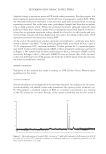
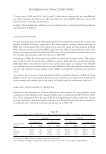
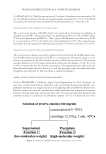
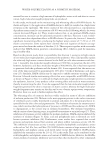
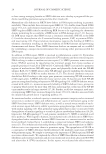
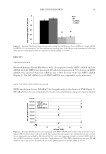
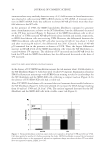
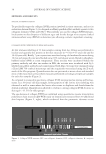
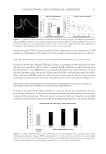
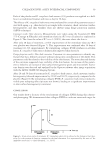
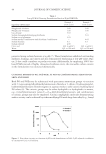
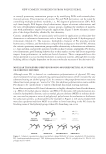
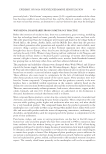
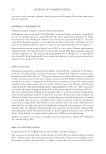
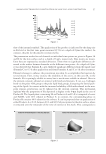
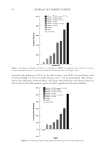
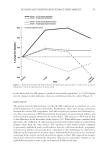
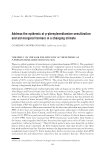
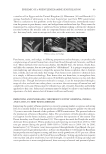
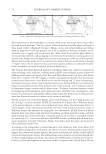
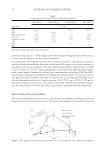
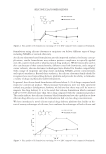
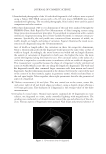
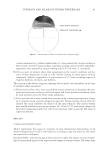
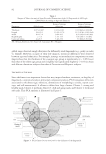
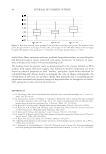
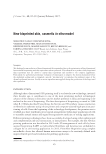
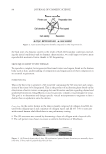
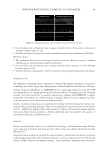
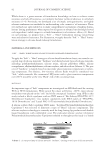
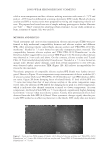
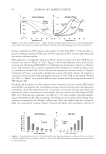
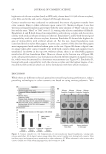
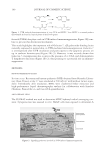
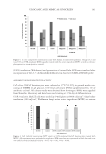
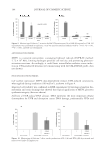
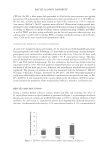
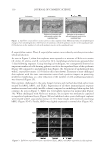
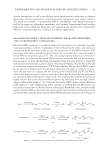
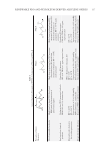
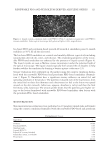
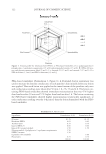
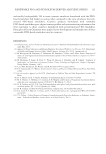
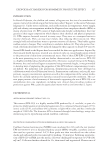
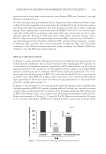
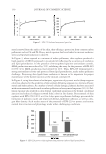
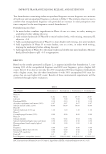
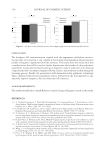
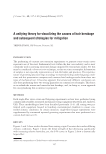
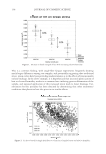
LONG-WEAR SEBUM-RESISTANT COSMETICS 95 SPE did not crack under the test condition, suggesting more fl exible than fi lms’ based on lower fractions of SPE. Sebum/oil abrasion test was conducted to understand a makeup fi lm’s rub-off resistance in the present of sebum (3). Figure 5A shows compositions of anhydrous makeup proto- types containing blends of silicone acrylate and SPE at different “Hard” to “Soft” ratios. After dried on collagen, cosmetic fi lms were subjected to abrasion test. Figure 5B shows a digital camera image of both abrasion cloths and cosmetic fi lms after given 100 rubs. The top row shows, in duplicate, abrasion cloth and cosmetic fi lms after abrasion without artifi cial sebum treatment. The bottom row shows, in duplicate, abrasion cloths and cos- metic fi lms after abrasion with sebum pretreatment. Figure 5C shows abrasion clothes’ color increase after 100 rubs as measured by colorimeter. Figure 5D shows makeup fi lms’ color loss as measured by colorimeter. With the understanding that sebum is a culprit leading to poor wear performance of color cosmetics, abrasion testing of the substrate pretreated with artifi cial sebum oil confi rmed more color transfer than without sebum. Importantly, we found ideal “Hard” to “Soft” ratios may exist for improved performance. When higher levels of the SPE (soft component) were incorporated, considerable rub-off and transfer were observed, especially in the presence of sebum. On the other end, at very Figure 4. Stretching test showing fi lm fl exibility. Images were taken before and after stretching test, showing cracking of fi lms made with silicone acrylate and SPE blends at different ratios. Figure 5. Sebum abrasion test. (A) Anhydrous makeup prototypes containing a silicone acrylate and a SPE at different ratios. (B) A digital camera image of both abrasion cloths and cosmetic fi lms (on collagen) after given 100 rubs, with or without artifi cial sebum pretreatment. (C) Abrasion clothes’ color increase after 100 rubs. (D) Makeup fi lms’ color loss after 100 rubs.

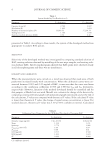
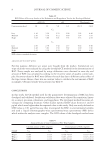
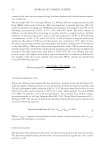
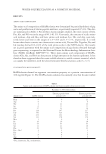
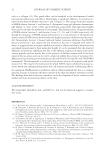
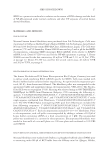
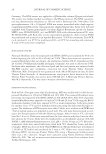
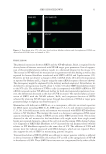
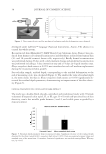
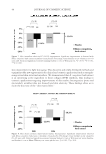
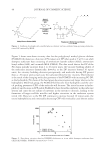
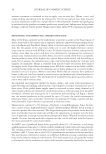
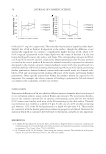
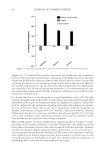
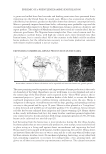
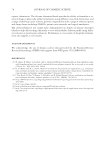
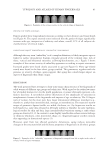
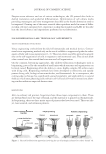
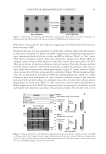
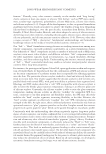
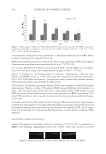
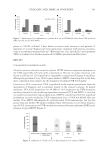
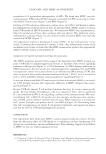
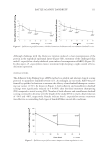
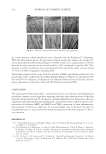
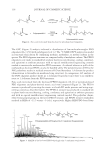
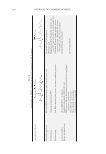
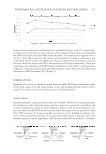
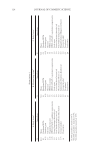
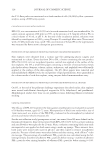
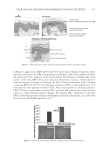
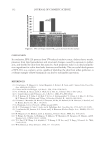
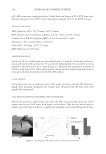
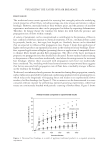
JOURNAL OF COSMETIC SCIENCE 96 high ratios of silicone acrylate (hard) to SPE (soft), shown here 10:0 (all silicone acrylate), color fi lms are brittle and can be chipped off through abrasions. Contact transfer test was conducted to understand the extent of pigment transfer from color cosmetic fi lms to white substrates upon contact (3). Shown in Figure 6 are four water-in-oil liquid foundation prototypes with the same amount of “Hard” silicone acry- late and the same “Hard” to “Soft” ratio (3:1), varying only silicone emulsifi ers (all fl uids). Emulsifi ers A and B both showed incompatibility with silicone acrylate and decent mis- cibility with artifi cial sebum oil (data not shown). Emulsifi ers C and D both showed good compatibility with the silicone acrylate however, Emulsifi er D showed the highest de- gree of immiscibility with artifi cial sebum oil. For the test, liquid foundations were coated and dried on nylon fi lter papers. In some cases, cosmetic fi lms dried on fi lter papers were impregnated with artifi cial sebum prior to the test. Figure 6B shows a digital cam- era image taken after contact transfer tests with both cosmetic fi lms and pigment traces transferred. As shown in the top row, without sebum, there is no observable pigment transfer for all four foundation fi lms. However, shown in the bottom row of Figure 6B, with a sebum pretreatment, four formulations showed different degrees of pigment trans- fer, which were documented by colorimeter measurement (see Figure 6C). Emulsifi er D, having both good compatibility with the silicone acrylate and the highest degree of im- miscibility with artifi cial sebum oil, led to formulation with best sebum resistance. DISCUSSION While there are different technical approaches toward long-lasting performance, today’s prevailing technologies in color cosmetics are based on using various polymeric “fi lm Figure 6. Contact transfer test. (A) Compositions of water-in-silicone liquid foundations, varying only silicone emulsifi ers. (B) A digital camera image taken after contact transfer tests, having both cosmetic fi lms (on fi lter paper) and pigment traces transferred to white substrates. (C) White substrates’ color increase after contact transfer test (with sebum impregnation, the bottom row in B).
Purchased for the exclusive use of nofirst nolast (unknown)
From: SCC Media Library & Resource Center (library.scconline.org)