221 ENDOLICHENIC FUNGI EXTRACTS
phenolic, and flavonoid contents of lichens have been proven by various studies.33,34 However,
the small amount of lichens in nature limits the use of these ingredients in many sectors,
including cosmetics. Therefore, it is important to detect and prove the antioxidant and
bioactivities of ELF species isolated from lichens, especially in order to prevent skin damage
caused by UV. The reason for this is the slow growth of lichens in nature and their limited
availability, which limits their use. However, endolichenic fungi isolated from lichens are
thought to be important for their use in the cosmetic industry as they grow faster and their
extracts are obtained in a standardized manner.35 For these reasons, total antioxidant, phenolic
and flavonoid contents of lichens, and isolated ELF extracts were determined in this study.
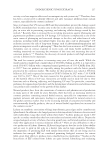
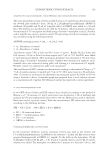
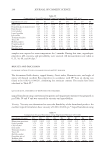
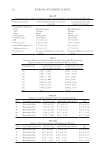
The total antioxidant activity of extracts from Usnea sp., L. pulmonaria, and B. capillaris
lichens and their ELF extracts was determined using the DPPH method in vitro. In this
study, the total antioxidant activities of lichen extracts at 1 mg/mL concentration were
found to be 34.86% for B. Capillaris, 21.74% for L. Pulmonaria, and 23.94% for Usnea
sp. extracts. ELF extracts isolated from L. pulmonaria lichen exhibited similar antioxidant
activities as their host lichen extracts as shown in Table II (18.82–24.01). Among all
extracts, the highest DPPH activity was determined for T20-P26 (91.77%) and T20-B02
(87.82%) isolated from B. capillaris lichen. T22-P07 ELF extract isolated from Usnea sp.
exhibited 70.23%, and T22-B07 extract exhibited 74.26% total antioxidant activity, which
was considerably higher than that of the Usnea sp. from which they were isolated. It was
observed that T20-P26, T20-B02 isolated from Bryoria and T22-P07, T22-B07 isolated
from Usnea sp. were comparable to and even higher than the positive control L-ascorbic
acid at a concentration of 1 mg/mL. As a result, when the total antioxidant activities were
examined, it was observed that especially T20-B02, T20-P26 isolated from B.capillaris and
T22-P07, T22-B07 ELF extracts isolated from Usnea sp. had higher antioxidant activities
than their host lichen species. It is known that antioxidants play a role in preventing damage
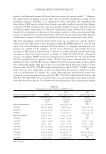
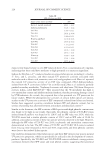
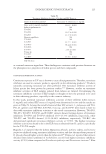
Table II
Antioxidant Activity of Lichen and ELF Extracts
Name of the lichen and ELF DPPH
TPC
(mg GAE/g extract)
TFC
(mg Rutin/g extract)
Positive control L-Ascorbic Acid
(1 mg/ml)
74.20
Gallic Acid
(1 mg/ml)
444.67
Rutin
(1 mg/mL)
1008.96
Lobaria pulmonaria 21.74 ± 0.002 86.53 ± 13.39 ND
T04-P01 18.82 ± 0.003 8.85 ± 0.33 399.33 ± 2.31
T04-P03 22.57 ± 0.003 16.10 ± 9.31 212.37 ± 1.28
T04-P13 24.01 ± 0.02 23.42 ± 0.71 204.75 ± 1.15
Bryoria capillaris 34,86 ± 0.037 35.57 ± 2.433 ND
T20-B02 87.82 ± 0.01 128.87 ± 6.59 ND
T20-P07 11,89 ± 0.008 20.73 ± 5.90 274.27 ± 2.02
T20-P10 18.82 ± 0.01 16.81 ± 6.52 373.93 ± 3.89
T20-P26 91.77 ± 0.001 129.37 ± 10.58 51.45 ± 0.85
T20-P27 27.21 ± 0.003 33.03 ± 17.45 ND
Usnea sp. 23.94 ± 0.003 83.14 ± 5.57 263.632 ± 1.63
T22-P07 70.23 ± 0.002 77.68 ± 12.02 80.163 ± 1.02
T22-B07 74.26 ± 0.01 96.08 ± 6.04 ND
ND: No data
phenolic, and flavonoid contents of lichens have been proven by various studies.33,34 However,
the small amount of lichens in nature limits the use of these ingredients in many sectors,
including cosmetics. Therefore, it is important to detect and prove the antioxidant and
bioactivities of ELF species isolated from lichens, especially in order to prevent skin damage
caused by UV. The reason for this is the slow growth of lichens in nature and their limited
availability, which limits their use. However, endolichenic fungi isolated from lichens are
thought to be important for their use in the cosmetic industry as they grow faster and their
extracts are obtained in a standardized manner.35 For these reasons, total antioxidant, phenolic
and flavonoid contents of lichens, and isolated ELF extracts were determined in this study.
The total antioxidant activity of extracts from Usnea sp., L. pulmonaria, and B. capillaris
lichens and their ELF extracts was determined using the DPPH method in vitro. In this
study, the total antioxidant activities of lichen extracts at 1 mg/mL concentration were
found to be 34.86% for B. Capillaris, 21.74% for L. Pulmonaria, and 23.94% for Usnea
sp. extracts. ELF extracts isolated from L. pulmonaria lichen exhibited similar antioxidant
activities as their host lichen extracts as shown in Table II (18.82–24.01). Among all
extracts, the highest DPPH activity was determined for T20-P26 (91.77%) and T20-B02
(87.82%) isolated from B. capillaris lichen. T22-P07 ELF extract isolated from Usnea sp.
exhibited 70.23%, and T22-B07 extract exhibited 74.26% total antioxidant activity, which
was considerably higher than that of the Usnea sp. from which they were isolated. It was
observed that T20-P26, T20-B02 isolated from Bryoria and T22-P07, T22-B07 isolated
from Usnea sp. were comparable to and even higher than the positive control L-ascorbic
acid at a concentration of 1 mg/mL. As a result, when the total antioxidant activities were
examined, it was observed that especially T20-B02, T20-P26 isolated from B.capillaris and
T22-P07, T22-B07 ELF extracts isolated from Usnea sp. had higher antioxidant activities
than their host lichen species. It is known that antioxidants play a role in preventing damage
Table II
Antioxidant Activity of Lichen and ELF Extracts
Name of the lichen and ELF DPPH
TPC
(mg GAE/g extract)
TFC
(mg Rutin/g extract)
Positive control L-Ascorbic Acid
(1 mg/ml)
74.20
Gallic Acid
(1 mg/ml)
444.67
Rutin
(1 mg/mL)
1008.96
Lobaria pulmonaria 21.74 ± 0.002 86.53 ± 13.39 ND
T04-P01 18.82 ± 0.003 8.85 ± 0.33 399.33 ± 2.31
T04-P03 22.57 ± 0.003 16.10 ± 9.31 212.37 ± 1.28
T04-P13 24.01 ± 0.02 23.42 ± 0.71 204.75 ± 1.15
Bryoria capillaris 34,86 ± 0.037 35.57 ± 2.433 ND
T20-B02 87.82 ± 0.01 128.87 ± 6.59 ND
T20-P07 11,89 ± 0.008 20.73 ± 5.90 274.27 ± 2.02
T20-P10 18.82 ± 0.01 16.81 ± 6.52 373.93 ± 3.89
T20-P26 91.77 ± 0.001 129.37 ± 10.58 51.45 ± 0.85
T20-P27 27.21 ± 0.003 33.03 ± 17.45 ND
Usnea sp. 23.94 ± 0.003 83.14 ± 5.57 263.632 ± 1.63
T22-P07 70.23 ± 0.002 77.68 ± 12.02 80.163 ± 1.02
T22-B07 74.26 ± 0.01 96.08 ± 6.04 ND
ND: No data