223 ENDOLICHENIC FUNGI EXTRACTS
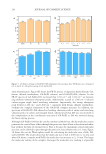
capillaris, and T22-P07 and T22-B07 isolated from Usnea sp. and their antioxidant activities.
In addition, flavonoid contents prevent the formation of free oxygen radicals caused by UV.
In this study, it is anticipated that the high flavonoid levels of ELF extracts isolated from
L. pulmonaria species between 204.75–399.33 mg rutin/g can be used as supporting agents
in cosmetic products for protection against the harmful effects of UV rays. The differences
among species may be due to environmental factors such as the host plant, temperature,
light, and wind, as well as the concentration of the extracts used in the experiment. Our
study suggests that some endolichenic fungi isolated from lichens have higher antioxidant,
phenolic, and flavonoid contents than the lichens themselves, making them a potential
source of natural antioxidants for the cosmetics industry. Specifically, B.capillaris isolated
T20-B02, T20-P26, and Usnea sp. isolated T22-B07 could be produced in the laboratory
and used as sustainable natural sources of antioxidants in the cosmetics industry.
IN VITRO SUN PROTECTION ACTIVITY
“SPF is a measure of how much solar energy (UV radiation) is required to produce sunburn
on protected skin (i.e., in the presence of sunscreen) relative to the amount of solar energy
required to produce sunburn on unprotected skin. As the SPF value increases, sunburn
protection increases.” Furthermore, SPF number is important data for quantifying the
effectiveness of sunscreen.46 SPF values are categorized as a minimum (2–12), moderate
(12–30), and high (≥ 30).47 In the cosmetics industry, herbal extracts have been used as
sunscreen for a long time.48 However, lichens have adapted to live in a variety of hazardous
conditions, including high UV radiation levels.49 To protect them from the damaging
effects of UV rays, they produce a variety of special metabolites during this process that have
antioxidant and photoprotective properties.50,51 It has been reported that lichen compounds
may be good candidates for potent UV blockers due to their wide variety of photoprotective
metabolites. For example, pulvinic acid derivatives obtained from lichen specimens protect
against UVA, while usnic acid protects against UVB.52 Some lichen species live in regions
with intense UVR. This suggests that lichens, like plants, can be considered an alternative
source as they synthesize unique metabolites to protect themselves under intense UV.53
Lichens can be preferred as an alternative to plants for sunscreen creams due to their
protective properties.
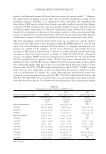
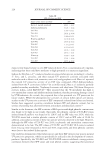
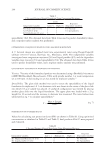
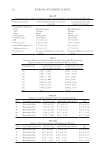
In the present study, SPF values of the tested lichen species and ELF extracts from isolating
them (1 mg/mL) were determined. Rutin, used as a standard in the experiments, showed
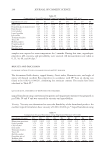
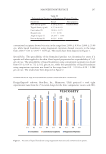
an SPF number of 32.11. SPF values of tested lichen species and isolated ELF extracts are
shown in Table III. SPF values of lichen samples were 31.45 for L. Pulmonaria and 31.78
for B. capillaris and Usnea sp. It was found to be 31.80 for the patient, showing that the
effectiveness of sun protection is high when compared to rutine. On the other hand, these
high SPF values detected in lichen extracts could not be detected in the isolated ELF
extracts from L. pulmonaria, T04-P01 and T04-P13, and remained at low SPF values of
6.54 and 9.44, respectively. For the T04-P03 extract from L. pulmonaria, sun protection
activity was found be moderate (29.91). The extracts from B. capillaris, T20-P07 (7.17) and
T20-P10 (8.41), had minimum SPF values, but T20-B02 (29.56), T20-P26 (30.46), and
T20-P27 (29.36) had moderate to high SPF values. ELF extracts from Usnea sp., T22-P07
(32.01) and T22-B07 (30.55), were found to have high SPF values.
Overall, the SPF values of the three different lichen extracts evaluated in this study are
quite high. Especially, the T04-P03, T20-B02, T20-P26, T20-P27, T22-P07, and T22-B07
capillaris, and T22-P07 and T22-B07 isolated from Usnea sp. and their antioxidant activities.
In addition, flavonoid contents prevent the formation of free oxygen radicals caused by UV.
In this study, it is anticipated that the high flavonoid levels of ELF extracts isolated from
L. pulmonaria species between 204.75–399.33 mg rutin/g can be used as supporting agents
in cosmetic products for protection against the harmful effects of UV rays. The differences
among species may be due to environmental factors such as the host plant, temperature,
light, and wind, as well as the concentration of the extracts used in the experiment. Our
study suggests that some endolichenic fungi isolated from lichens have higher antioxidant,
phenolic, and flavonoid contents than the lichens themselves, making them a potential
source of natural antioxidants for the cosmetics industry. Specifically, B.capillaris isolated
T20-B02, T20-P26, and Usnea sp. isolated T22-B07 could be produced in the laboratory
and used as sustainable natural sources of antioxidants in the cosmetics industry.
IN VITRO SUN PROTECTION ACTIVITY
“SPF is a measure of how much solar energy (UV radiation) is required to produce sunburn
on protected skin (i.e., in the presence of sunscreen) relative to the amount of solar energy
required to produce sunburn on unprotected skin. As the SPF value increases, sunburn
protection increases.” Furthermore, SPF number is important data for quantifying the
effectiveness of sunscreen.46 SPF values are categorized as a minimum (2–12), moderate
(12–30), and high (≥ 30).47 In the cosmetics industry, herbal extracts have been used as
sunscreen for a long time.48 However, lichens have adapted to live in a variety of hazardous
conditions, including high UV radiation levels.49 To protect them from the damaging
effects of UV rays, they produce a variety of special metabolites during this process that have
antioxidant and photoprotective properties.50,51 It has been reported that lichen compounds
may be good candidates for potent UV blockers due to their wide variety of photoprotective
metabolites. For example, pulvinic acid derivatives obtained from lichen specimens protect
against UVA, while usnic acid protects against UVB.52 Some lichen species live in regions
with intense UVR. This suggests that lichens, like plants, can be considered an alternative
source as they synthesize unique metabolites to protect themselves under intense UV.53
Lichens can be preferred as an alternative to plants for sunscreen creams due to their
protective properties.
In the present study, SPF values of the tested lichen species and ELF extracts from isolating
them (1 mg/mL) were determined. Rutin, used as a standard in the experiments, showed
an SPF number of 32.11. SPF values of tested lichen species and isolated ELF extracts are
shown in Table III. SPF values of lichen samples were 31.45 for L. Pulmonaria and 31.78
for B. capillaris and Usnea sp. It was found to be 31.80 for the patient, showing that the
effectiveness of sun protection is high when compared to rutine. On the other hand, these
high SPF values detected in lichen extracts could not be detected in the isolated ELF
extracts from L. pulmonaria, T04-P01 and T04-P13, and remained at low SPF values of
6.54 and 9.44, respectively. For the T04-P03 extract from L. pulmonaria, sun protection
activity was found be moderate (29.91). The extracts from B. capillaris, T20-P07 (7.17) and
T20-P10 (8.41), had minimum SPF values, but T20-B02 (29.56), T20-P26 (30.46), and
T20-P27 (29.36) had moderate to high SPF values. ELF extracts from Usnea sp., T22-P07
(32.01) and T22-B07 (30.55), were found to have high SPF values.
Overall, the SPF values of the three different lichen extracts evaluated in this study are
quite high. Especially, the T04-P03, T20-B02, T20-P26, T20-P27, T22-P07, and T22-B07