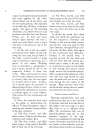
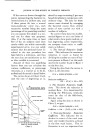
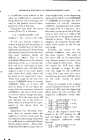
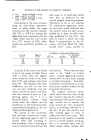
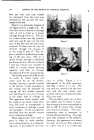
A METHOD FOR COMPARATIVE EVALUATION OF ANTIPERSPIRANTS* By E. L. RICHARDSONS, PH.D., and B. V. MEIGS Colgate-Palmolive-Peet Co., )tersey City, N. )t. THERE ARE almost as many methods of measuring perspiration flow as there have been investigators of the subject. In his "Physiology of Human Perspiration" Kuno (1) mentions a number of such methods, ranging from elaborate Sauter bal- ances on which the human subject was weighed, with their auxiliary apparatus for measurement of oxy- gen-carbon dioxide exchange, down to the deceptively simple method of inserting a fine glass capillary tube into a single pore and observing microscopically the rise and fall of fluid in the capillary stem. Other investigators have enclosed their subjects in air-tight boxes with only the subject's head pro- truding, and determined perspira- tion by humidity measurements on the air circulated through the box. Direct microscopic observation of the pore discharge at the skin surface has been used. Victor Minor (2) painted the skin with an iodine-alcohol-castor oil solution and, after drying and dusting the * Presented at the May 19, 1950, Meeting, New York City. ++ Present address: Whitehall Pharrnacal Co., Elkhart, Ind. painted surface with starch powder, observed the rise of sweat by the appearance of dark spots at the pore openings on the starch-white surface. A relatively simple method of measuring perspiration flow from a limited skin area is described here. No attempt is made to go into the anatomy and physiology of perspiration. The apparatus and procedure described here were de- veloped by the authors several years ago to use in testing effective- ness of antiperspirant materials and compositions. Perhaps a clarification of the word "perspiration" as used here is in order. The relations of the several components often lumped under the term "perspiration" are well shown in a diagram given by Kuno, page 309. The only part being dealt with here is cutaneous moisture as liquid and vapor, or, in other words, sensible perspiration plus that part of the insensible perspi- ration given off through the skin. The apparatus is a modification of that used by Kuno in his exten- sive studies. (It is noteworthy 308

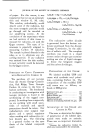
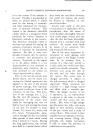
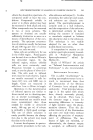
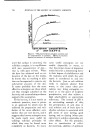
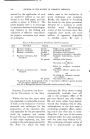
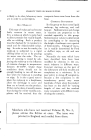
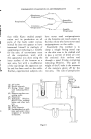
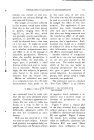
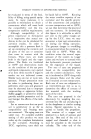
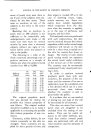
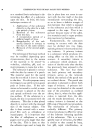
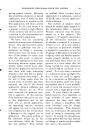
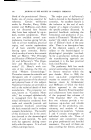
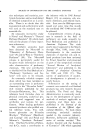
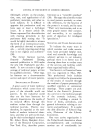
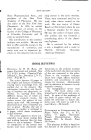
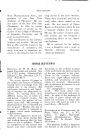
COMPARATIVE EVALUATION OF ANTIPERSPIRANTS 309 Perspiration( •Gases /Respiratory _ •" x, x Perspiration--•, •, •. WaterN / •..Gases / Cutaneous X, Perspiration"• •.,. / '"•W a t er .... X,dnsensible /Perspiration / -Sensible Perspiration that while Kuno studied perspi- ration and its production on all parts of the body under various stimuli he does not appear to have interested himself in methods of suppressing or reducing it.) Chiefly for the sake of convenience most of the comparison work with this apparatus was done using the inner surface of the forearm as a test area, but with a modification of the cup design the apparatus can be and has been used on the axilla. Further, experimental subjects who have never used antiperspirants on the forearms are much easier to find than those who have never used antiperspirants on the axilla. Essentially this method is to clamp a snugly fitting metal cup on the skin area to be studied and to pass a current of dried air over the enclosed skin surface and through a rated U-tube containing indicating Drierire. The gain in weight of the U-tube is the measure of the moisture given off by the test area. The rate of perspiration (At) Air intake. (B) Double stopcock. (½) Drying Tower (filled with indicating Drier- ire) (D) Pressure regulator con- taining water. (E) Flowmeter. (F) Indicating Drierire- filled U-tube, weighed before and after each run. (G) By-pass. (H') 3-way stopcock. (K) Stainless steel cup with inlet and outlet tubes strapped or clamped on forearm. PUMP Figure 1
Purchased for the exclusive use of nofirst nolast (unknown)
From: SCC Media Library & Resource Center (library.scconline.org)