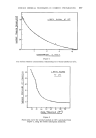
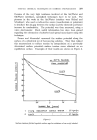
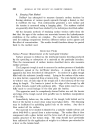
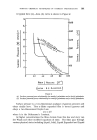
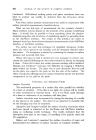
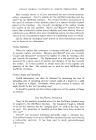
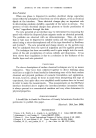
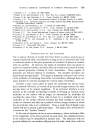
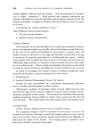
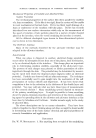
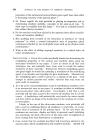
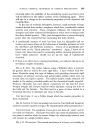
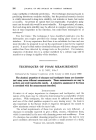
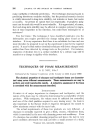
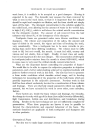
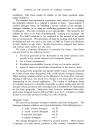
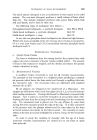
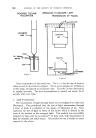
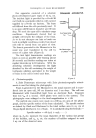
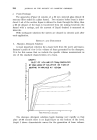
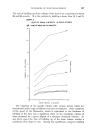
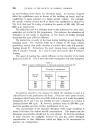
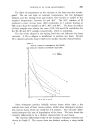
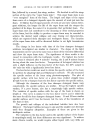
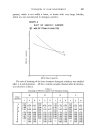
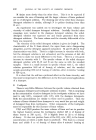
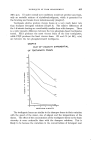
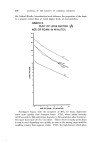
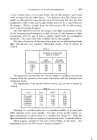
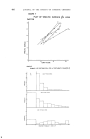
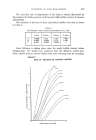
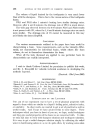
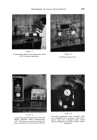
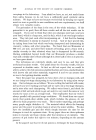
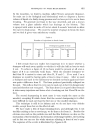
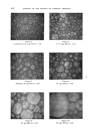
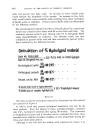
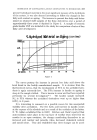
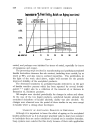
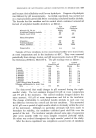
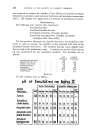
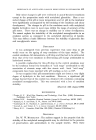
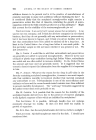
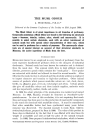
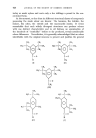
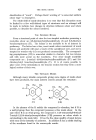
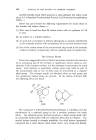
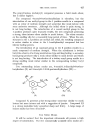
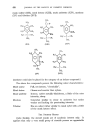
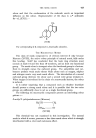
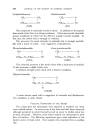
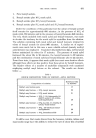
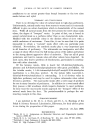
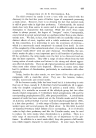
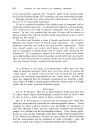
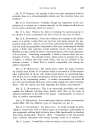
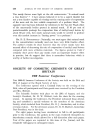
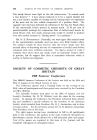
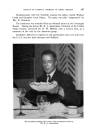
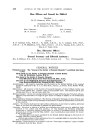
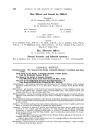
TECHNIQUES OF FOAM MEASUREMENT 409 Figure 1 Transferring foam from Mixmaster dish into drainage apparatus. Figure 2 Drainage apparatus. Figure 3 Light transmission apparatus-foamcell sitting directly above photoelectric cell. The black curtain, covering the front, has been removed for this photo. Figure •1 Viscosity apparatus few seconds after the completion of a reading. Note visco- meter cups with collapsed foam, which will be weighed for specific volume deter- mination.

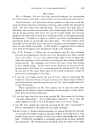
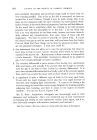
410 JOURNAL OF THE SOCIETY OF COSMETIC CHEMISTS sweepings in the laboratory. I am afraid we have, as yet, not made foams from saliva because we do not have a sufficiently good synthetic saliva mixture. We hope to have one because we feel that by keeping our experi- ments as near as possible to user conditions and user requirements, we shall obtain very valuable results. The generation of the foam is the crux of the whole technique. If the generation is no good, then all these results and all the test results can be scrapped. If you care to think that when you shampoo your hair, you have your hand, which is a large area, and the hair, which is an even larger surface area. They rub past each other incorporating air. I feel that the beating of the Mixmaster is similar in character to that. And we have proved this, by taking foam from hair which was being shampooed and determining its viscosity, volume, and other properties. We found that our Mixmaster at 700 revs. per min. and after three minutes of beating, gives a foam with a similar viscosity to that obtained when hair is shampooed for 90 seconds. Having established beyond doubt that our Mixmaster produces a similar type and a similar class of foam although it is about half as slow as in practice, we have gone ahead. The techniques are extremely simple, and easy to use, and they give useful and accurate results. One point about the viscosity results, they are expressed in absolute units. At first we did not expect that we would be able to achieve this but numerous standardisations and cross-standardisations with known oils and other materials, supported it and we can assume that we are in fact getting absolute results. Since the paper was prepared, we have done a lot on shampoo soils, and we are doing two-stage shampooing in our laboratory by using salon sweep- ings. Our techniques are as follows: We are wetting the hair first with water, just as if you were washing your hair and we carry out a two-stage shampoo, and a rinse after each shampooing. We collect water from it, and check the amount of dirt and soil which we get out and it is very much the same or very nearly the same as for an average head. This emphasises that our work is always parallel with practical usage conditions. We found from our experi- ments that petrol-ether soluble soils, which includes the greases, do not affect the foam properties very much. This is rather surprising, and perhaps many people might disbelieve it. The material which affects the foaming power and the power to produce foam at all are the water solubles. We also have the insoluble grit and dirt which simply increases the time for the shampoo to reach its optimum state. In my paper there are these optimum states in viscosity and foam volume after four minutes or six minutes. The presence of grit makes this eight to ten minutes, depending on the amount present. In the paper I say that we do not possess a technique for foam breaking.
Purchased for the exclusive use of nofirst nolast (unknown)
From: SCC Media Library & Resource Center (library.scconline.org)