RESISTANCE OF ACETYLATED LANOLIN DERIVATIVES TO HYDROLYSIS 415 THE RESISTANCE OF ACETYLATED LANOLIN DERIVATIVES TO HYDROLYSIS L. I. CONRAD, K. MOTIUK and H. F. MASO* Delivered at the Summer Conference qf the Society on 25th August 1960. A study was made of the stability of acetylated lanolin derivatives per se and in anionie emulsions. The stability of the products was expressed in terms of % hydrolyzed material, while the stability of the emulsions was expressed as changes of pH. A comparison was made with stability tests on emulsions containing aeetylated monoglyeerides. ThE OBJECT of this paper is to report on studies of the resistance of acetylated lanolin derivatives to hydrolysis. This investigation xvas initi- ated some three years ago when the growing importance of these products as cosmetic and pharmaceutical ingredients necessitated detailed data on the subject. It was apparent from initial evaluation work that the acetates of lanolin, lanolin alcohols and lanolin alcohol ricinoleate evinced many of the stability characteristics of waxes. Lanolin is a wax composed mainly of esters of higher aliphatic and polycyclic alcohols. Like all waxes it is glyceride-free. It is fairly resistant to hydrolysis and to saponification by methods effective on glyceride fats. Truter I presents a detailed description of this interesting subject. Experi- enced cosmetic formulators are familiar with the characteristics of lanolin and it is hoped that this presentation will supply information on the stabihty of acetylated lanolin derivatives important for their practical application to cosmetic emulsions. ST^rariTY OF ACF•TYLATEr) PROr)UCTS EXPER•nENTAL The following acetylated lanolin derivatives were used in this experi- ment: Acetylated lanolin Acetylated lanolin alcohols Acetylated ricinoleate of lanolin alcohols Retained room temperature shelf samples of plant production batches of the above materials were analyzed periodically for percent water soluble *Research Laboratories, American Cholesterol Products, Inc., Edison, N.J., U.S.A.

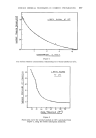
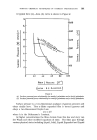
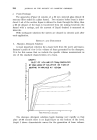
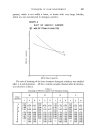
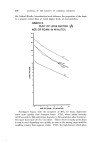
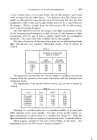
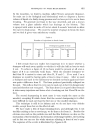
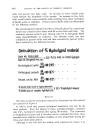
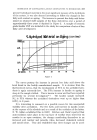
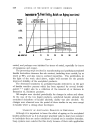
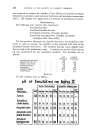
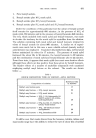
416 JOURNAL OF THE SOCIETY OF COSMETIC CHEMISTS acids and percent free fatty acids. An increase in water soluble acids would indicate the hydrolysis of the acetate. An increase in free fatty acids would include water insoluble acids resulting from either hydrolysis of lanolin esters or oxidation. Percent water soluble acids was determined by the following method: 50 g of matedhal were dissolved in 150 cc of benzol, placed in a separatory funnel and extracted three times with 25 cc hot water each time. The combined aqueous extracts were titrated with 0.1 N methanolic KOH using phenolphthalein as indicator. The titration result was first calculated as percent acetic acid and then converted to percent hydro- lyzed material by the following formula: Oaleula-kion r % Hydrolyzed material Equiv. w'c. Ace'tic Aoid I00 =% Sol. Acids on Cornpl. I-lydroysi• Equiv. •. lee•lated Prod.(oale) X Fo•- Aeeoe•lat. ed Lanolin :tgxlO0=2.91% .......... For Aee•glaf. ed LanolinAIc. 6ø xlOOqS.7%' ........ [o• Acct. Lan. •,lc. l•icin. 6•ox 1110=9.l% .......... % •oluble Acidg found on Aging ldett•mined). ........ x I00-- % Itydrokjzed material %,qoluble Acid.q on compleLe h•drolygi•(eale.) RESULTS The data on percent hydrolyzed material as determined by this method are expressed in Figure 1. It will be noted that percent hydrolyzed matedhal is very low for all three products. Even the highest of these, acetylated lanolin, contained only 0-4% hydrolyzed material after ageing 36 months. This represents an insignificant increase and it therefore can be concluded that these three materials have exhibited excellent stability at room temperature during the three-year observation period. Although it was felt that the soluble acids expressed in Figure 1 as
Purchased for the exclusive use of nofirst nolast (unknown)
From: SCC Media Library & Resource Center (library.scconline.org)