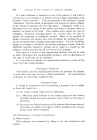
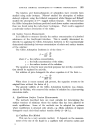
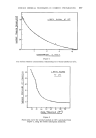
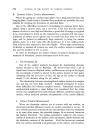
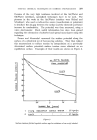
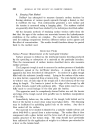
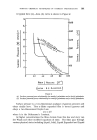
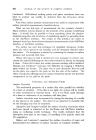
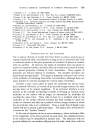
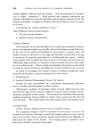
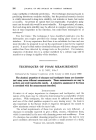
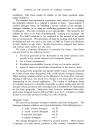
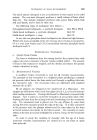
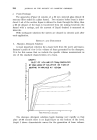
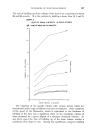
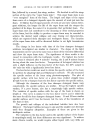
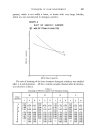
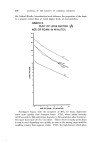
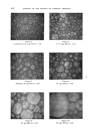
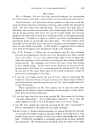
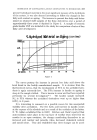
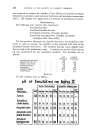
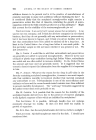
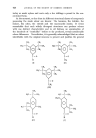
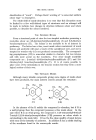
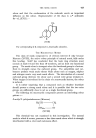
RESISTANCE OF ACETYLATED LANOLIN DERIVATIVES TO HYDROLYSIS 417 percent hydrolyzed material is the most significant measure of the hydrolysis of the acetate, it was also deemed interesting to follow the changes in free fatty acid content on ageing. The increase in percent free fatty acid deter- mined on retained shelf samples of the three derivatives over a period of approximately three years is depicted in Figure 2. A sample of cosmetic grade lanolin USP was included in the study for comparison of rates of free fatty acid development. % Hydrolzed Ilaterial on Agin (m0mtn, o AGE-A•O#I'I• G 12 Ig, 24 • •G 40 Figure The curves portray the increase in percent free fatty acid above the level found in the freshly manufactured sample. It is obvious from the flat low-level curves, that the development of FFA in the acetylated pro- ducts is again extremely low. The FFA increase in lanolin on ageing is steep in the sample studied. This is known to occur and had been reported previously by several investigators 2' a. The lanolin sample increased 13% in FFA whereas the acetylated derivatives went up no higher than 0.25% in 3 years. It is interesting to comment on a possible reason for this unexpected stability after acetylation. The free fatty acid increase in lanolin occurs at the expense of the alcohols and as a result of the oxidation of the latter. N. W. Gillam established this in 1947. 2 Kitchen and Clark a reported that auto-oxidation takes place in the top layer of woolfat when stored for 19. months in an open container, the changes manifesting themselves in an increased acid number and peroxide value, decreased cholesterol content and rancid odour. They also established that these changes can be accel-

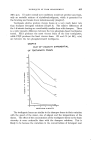
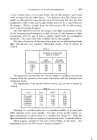
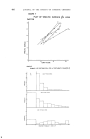
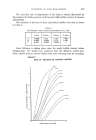
418 JOURNAL OF THE SOCIETY OF COSMETIC CHEMISTS PERGENT F. F.A. 0.6'7,, 0.4% i' Lanolin :10% i.•3õ mo•Lh• / _ •e o •-MONTI. m.q 6 12 I• 24 30 3G 40 Inereaee in % Free Fattu Aeid on Agimj (room temp.) Figure 2 erated, and perhaps even initiated by traces of metal, especially by traces of manganese and copper. The processing steps involved in manufacturing and purifying acetylated lanolin derivatives decrease the ash content, including trace metals, by as much as 00% and also remove oxidized impurities. This purification, in the light of the work cited above, might well account for the greatly improved stability of the acetylated products. The decreased sensitivity to acetylated lanolin derivatives on the part of lanolin sensitive persons which has been reported by several investi- gators 1, 4, 5 might also be a reflection of the removal of, or decrease in formation of, oxidation products. All samples were checked periodically for changes in colour and odour. In the case of the two liquid products, acetylated lanolin alcohols and acetylated ricinoleate of lanolin alcohols, clarity was also checked. No changes were observed over the period of these studies in any case except in lanolin where a strong odour developed. STABILITY OF ACETYLATED PRODUCTS IN EMULSIONS Although it is important to know the effect of ageing on the acetylated lanolin products per se, it is of greater practical value to learn how resistant to hydrolysis they are under conditions of actual use in emulsion formulas. Soap systems were selected for this study because of their wide application
Purchased for the exclusive use of nofirst nolast (unknown)
From: SCC Media Library & Resource Center (library.scconline.org)