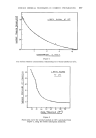
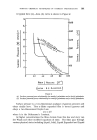
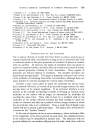
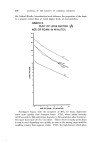
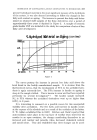
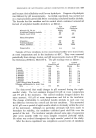
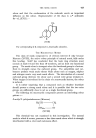
RESISTANCE OF ACETYLATED LANOLIN DERIVATIVES TO HYDROLYSIS 410 and because their alkalinity could favour hydrolysis. Progress of hydrolysis was followed by pH measurements. An initial experiment was carried out on a typical anionic germicidal lotion containing acetylated lanolin alcohols. The formula for this emulsion and its control which contained mineral oil instead of acetylated lanolin alcohols is as follows: Test Control Emulsion Emulsion Mineral Oil, 70 vis ....... 10.0% 14.0% Acetylated lanolin alcohols .... 4.0 -- Stearic Acid XXX ...... 4.5 4.5 Hexachlorophene ...... 0.25 0.25 Glycerine .......... 5.0 5.0 Triethanolamine ...... 1.0 1-0 Water, distilled ........ 75.25 75.25 Preservative ........ q.s. q.s. Samples of these emulsions in two ounce lotion bottles were stored both at room temperature and in the incubator at 42øC. They were removed periodically from storage, shaken, and pH measurements made at 25øC using the Beckman pH Meter, Model H-2. The pH readings were as follows: Initial 2 weeks 2 months 3 months 4 months 5 months 7 months 8 months Total change after 8 months *Change attributable to Acer. Lan Ales ....... Test Control Emulsion pH Emulsion pH Room Inc. Room Inc. 8.4 -- 8.1 -- 8.4 -- 8.1 -- 8.3 8.2 8.0 7.7 8-2 7.9 8.0 7.9 8-2 7.9 8.0 7.8 8.1 7-8 7.9 7.7 8.0 7-7 7.9 7.6 8.1 7-7 7.9 7-5 0.3 0.7 0.2 0.6 0.1 0.1 The data reveal that small changes in pH occurred during the eight- months' study. The test emulsion dropped 0.3 pH at room temperature and 0.7 pH in the incubator. The control emulsion dropped almost the same amount 0.2 pH at room temperature and 0.6 in the incubator. The change attributable to acetylated lanolin alcohols in each case was the difference between the control and the test emulsions. This amounted to 0.1 pH over a period of eight months which is obviously within the error of the instrument. Although no particular attempts had been made to formulate for stability, the emulsions exhibited good shelf life over the period of the test. The incubator samples showed some sign of separation after seven months while the room samples remained perfectly stable. No odour was evolved throughout the eight months' period of the study. After the above experiment was completed, a second series of emulsions

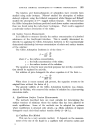
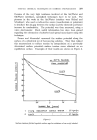
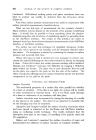
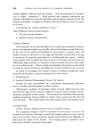
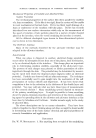
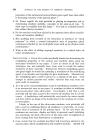
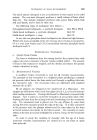
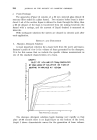
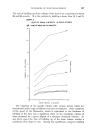
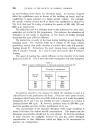
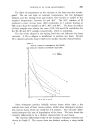
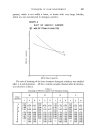
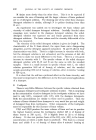
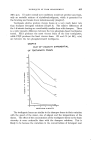
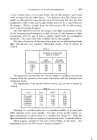
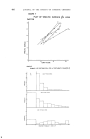
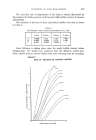
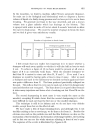
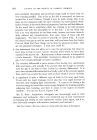
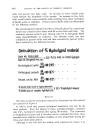
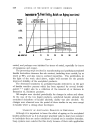
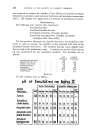
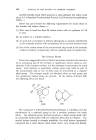
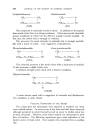
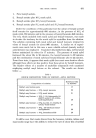
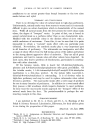
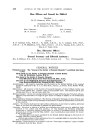
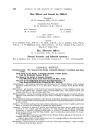
420 JOURNAL OF THE SOCIETY OF COSMETIC CHEMISTS was prepared to compare the stability of four different oil soluble acetylated derivatives in an oil-in-water system at both room and incubator temperature (42øC). pH changes were again used as a measure of hydrolysis of acetate. EXPERIMENTAL The following were used in this experiment: Acetylated lanolin Acetylated lanolin alcohols Acetylated ricinoleate of lanolin alcohols Acetylated monoglycerides [distilled acetylated monoglycerides (from lard)] The last product, although not a lanolin derivative, was included in this study in order to compare the stability of this material with that of the acetylated lanolin derivatives. The emulsion formula varies slightly from the one used in the preliminary study. A control was used in which mineral oil was substituted for the acetylated products. The formulae are as follows ß Acetylated Derivative Mineral Oil (70 vis.) Stearic Acid XXX Triethanolamine Glycerine .... Distilled Water .. Preservative .... RESULTS The pH readings were as follows: Test Control Emulsion Emulsions 4.0 10-0 14-0 4.5 4.5 1.0 1.0 5.0 5.0 75.5 75.5 q.s. q.s. pH o-F Emulion on Acjing.-I'r Formula Containinq_ Conb01 Aeetula-Led Lanolin 11eohol•: Aee'l:ylaf. a:l Lenolin Ac•[ylatt, d I•nolin Alcoh• Rieinolea'ce ,4eef. ylaLed Monogl•eeride: •CORR[CTED CHAN6E' Cho•cJe •lq pH •[Cer I0 weeJ•e• r•[rlu• corn+•roI pJ4 Critic Room Temperaf. ure• Incubator Tempe•ature• (•01.1:.* COI, I'. 'x- initial 2wh 4wl=. 6•. e.k •-b3n9• 2wl•. 4wl•. Owls. I0• Change 80 lg B.O øo.I •.0 ... 7.• 7.9 7.9, 7.7 .-- -- •.õ ].• •.• •.• 7.• 02 16 7.6 7.7 •.q 02 9] ].g 7.1t 9.0 7.• 01 7.• 7.oJ ?.• 7.8 It.I 8.0 7.0 9.0 8.0 0.• 7• •.7 79 7.9 0 it.0 l.l• 7.• ,.• ?.6 I1• 7.6 •.• 7.1 5.• I.I room temp. O. incubotor t•mp
Purchased for the exclusive use of nofirst nolast (unknown)
From: SCC Media Library & Resource Center (library.scconline.org)