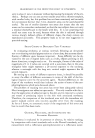
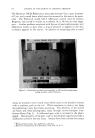
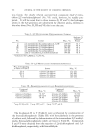
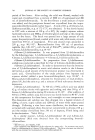
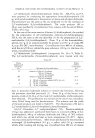
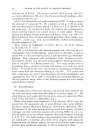
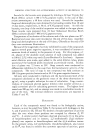
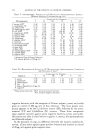
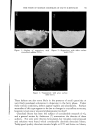
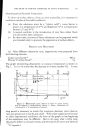
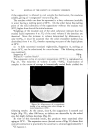
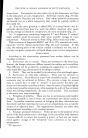
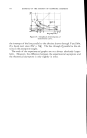
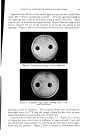
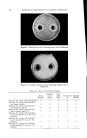
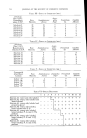
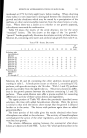
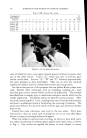
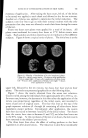
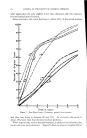
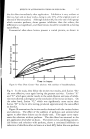
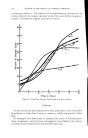
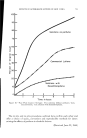
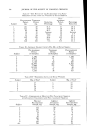
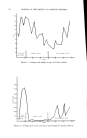
RELATIONSHIP BETWEEN DANDRUFF AND MICROBIAL FLORA OF THE SCALP 765 Changes in the physical appearance of the scurf samples were recorded during each period. As the treatment proceeded, the color of the scurf changed from gray to light yellow. It became less scaly and was powdery and fluffy in texture. Itching of the scalp was a common complaint during the pre- and post-treatment periods, but not during the period of treatment. RESt•L'rS The average scurf sample weights for all subjects are listed in Table I. Also included is the percentage of reduction in scurf weights that resulted from the antimicrobial treatment. There was a significant reduction in scurf weights during the period of treatment that extended into the post-treatment period in seven of the nine subjects. Among the subjects showing significant reduction much individ- ual variation was observed. It was particularly noticeable that scurf weights continued to decline until a scalp microbial flora had been re-estab- lished. Then the scurf weights slowly began to increase toward the pre- treatment levels. When it became apparent that scurf weights had returned to pre-treatment levels, the experiment was terminated. Subjects 4 and 5 did not respond to treatment. Subject 4 obviously had no dandruff problem, as is shown by his very low pre-treatment scurf weight average (14.1 rag.). Subject 5 showed very little variation in scurf weights at any time during the experiment. Except for subjects 4 and 5, the pre-treatment period average weights of all scurf samples was 83.3 rag. This was reduced to 58.6 mg. at the end of the treatment period, a 29.7% reduction, and to 49.8 rag. at the end of the experiment, a 40.3% reduction. Table II shows the bacterial counts for each subject during the three periods. These counts include only those bacteria which grew in Trypticase agar pour plates incubated aerobically at 37øC. They do not represent the total flora but serve to indicate the effectiveness of the neomycin-nystatin treatment. Staphylococcus aureus and Staphylococcus epidermidis were the predominant bacteria that were cultured. The average of the scurf weights of all nine subjects was determined each time a sample was removed. These averages were plotted as shown in Fig. ]. During the period of treatment the average weight of the nine samples was 100 mg. This figure was reduced to 35 mg. during the treatment period. The average values of the plate counts of all nine subjects were similarly plotted and are shown in Fig. 2. At the beginning of the pre-treatment period the values of plate counts as well as scurf weights were low. These low values could be expected because each subject had been instructed to shampoo his scalp one week prior to the removal of scurf samples. A non-

766 JOURNAL OF THE SOCIETY OF COSMETIC CHEMISTS 100 ß 6O Pre-treat- Treatment Period Post - treatment Period ment Period ' ' • ' •o 6'0 I o 20 30 40 DAYS Figure 1.--Average scurf weights in mg. of all nine subjects. 8000 l 7000 6000 2000 i I i 1ooo 'treatment !l I Treat .... P .... d I Perrod ! Post- treatment Period •0 20 $0 40 50 60 7'0 DAYS 5000 4000 Figure 2.--Average plate counts per mg. of scurf sample for all nine subjects.
Purchased for the exclusive use of nofirst nolast (unknown)
From: SCC Media Library & Resource Center (library.scconline.org)