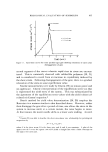
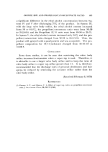
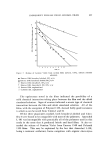
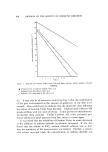
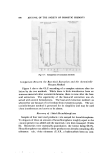
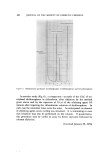
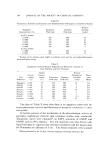
710 JOURNAL OF THE SOCIETY OF COSMETIC CHEMISTS SOLVENT FRONT _•_ FRAC 1 ...........
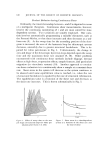
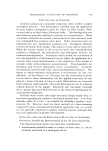
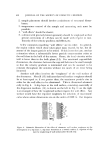
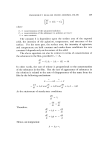
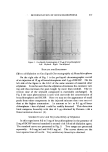
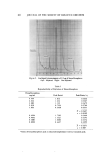
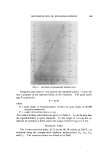
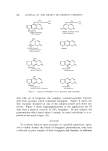
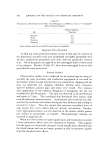
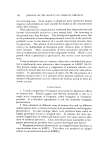
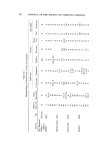
Bergomomn 7-MethoxytS-gemnoxy FRAC 2 L,mettm- __•?_, FRAC 3 6 or more 1 "repounds FRAC 4 ORIGIN Figure 5. TLC chromatogram of psoralen-coumarin mixture steam bath and each isolated fraction was rechromatographed as described above. Each fraction was then spotted on an analytical TLC plate and developed. The plate was then examined under UV light to estimate the purity of each fraction. Fraction/--Fraction 1, when first isolated, weighed 640 mõ and solidi- fied upon standing. The solid material was dissolved in an excess of hot methanol and cooled. Crystalline bergamottin was removed by filtration (ca. 400 mg) and discarded. The mother liquor was con- centrated and spotted on preparative TLC plates in 50-mg portions and developed. Fraction 1 was recovered from the plates as above 220 mg of crystalline material was obtained. Analytical TLC showed that Fraction 1 was primarily bergamottin with a small amount ot• methoxygeranoxy- coumarin (est. 1% or less). Fraction 2--Fraction 2 amounted to 29 mg. Analytical TLC indi- cated this fraction to consist of methoxygeranoxycoumarin plus an un- identified material with a deep blue, faint fluorescence. Fraction 3--Fraction g consisted of 75 mg of a mixture of limettin and bergapten. Fraction 4--Fraction 4 consisted of all compounds present from Fraction g to the origin of the chromatogram. None of these compounds, with the exception of bergaptol, have been identified. After Fraction 4 was rechromatographed, 20 mg of material was obtained. Analytical TLC of this material showed complete absence of any of the three pre- vious fractions.

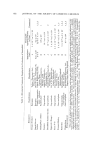
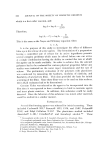
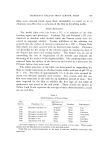
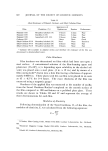
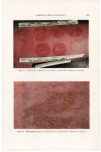
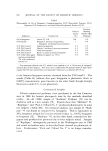
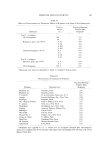
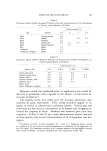
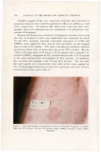
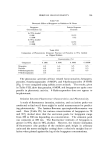
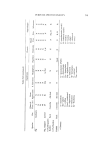
PERFUME PHOTOTOXICITY 711 Fraction 3A--This fraction was not obtained by preparative TLC but by direct crystallization of the crude C-P mixture. To one volume of the crude mixture, two volumes of ethyl ether was added. A mixture of bergapten and limetriM immediately precipitated, was isolated by filtra- tion, and was recrystallized three times from hot methanol. This frac- tion is included because bergapten is believed to be the compound pri- marily responsible for photosensitization. APPENDIX II COMPARATIVE PATHOLOGY PRODUCED BY SKIN APPLICATION OF OIL OF BERGAMOT IN THE HUMAN, RABBIT, GUINEA PIG, HAIRLESS MOUSE, HAMSTER, AND PIG HOWARD L. RICHARDSON, M.D., AND KENT J. DAvis, D.V.M. DIVISION OF PATHOLOGY, FOOD AND DRUG ADMINISTRATION Hematoxylin-eosin stained paraffin sections of skin taken 6, 16, 24, 48, and 72 hours after topical application of 10% oil of bergamot in 70% alcohol were examined by light microscopy to study species variations in phototoxic reactions. Histopathologic findings, involving furocoumarin phototoxicity in animals, are summarized in Table XI. Except in the case of hamsters, gross appearance of the skin provided the clue to damage in underlying tissues. In severe involvement, the epidermis became acanthotic, some- times edematons, and occasionally necrotic. The reticular dermis showed greater inflammatory cell infiltration than the papillary dermis. The appendages showed slight, immediate involvement, but after a pe- riod of two months, the rabbit had little hair growth in the area of ap- plication and hair follicles became sparse and degenerated in appear- ance. The major changes in the human forearm skin with 72 hours post- bergamot treatment were epidermal necrosis intermixed with areas of epidermal edema and acanthosis, and with necrobiosis of sebaceous glands. The most nearly comparable change noted in skin sections from other animals examined occurred in the corneum-stripped pig skin. Oil of bergamot application to normal pig skin produced no significant microscopic lesions during the 6- to 8-hour observation period. Rabbit skin was also relatively nonreactive microscopically however, two months after application of 0.1% bergapten solution there were decreased num- bers of hair follicles and the few hair follicles remaining or regenerating
Purchased for the exclusive use of nofirst nolast (unknown)
From: SCC Media Library & Resource Center (library.scconline.org)