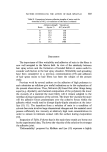
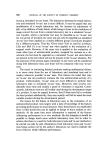
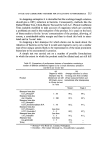
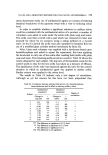
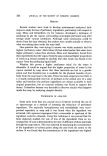
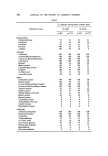
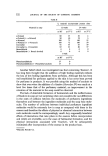
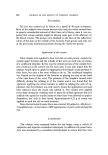
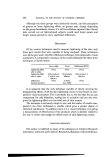
330 JOURNAL OF THE SOCIETY OF COSMETIC CHEMISTS Table I material incorporated present after: Material in soap 12 weeks 24 weeks at RT at 37øC at RT at 37øC Hydrocarbons Diphenylmethane 95 67 82 61 Camphene 62 62 50 38 Limonene 85 41 81 17 Myrcene 100 20 50 10 a-Pinene 100 40 50 4 Alcohols n-Nonanol 100 100 100 100 cis-p-tert-Butylcyclohexanol 100 100 100 100 trans-p-tert-Butylcyclohexanol 100 100 100 93 tt-Terpineol 100 100 100 90 Bomeol 100 96 100 89 Benzyl alcohol 100 87 100 81 Caryophyllene alcohol 100 81 88 75 Linalool 100 78 100 53 cis-Hex-3-enol 86 53 46 35 trans-Hex-3-enol 88 56 49 37 Esters Citronellyl acetate 100 100 100 88 Bomyl acetate 100 88 83 83 cis-p-tert-Butylcyclohexyl acetate 100 100 100 89 trans-p-tert-Butylcyclohexyl acetate 100 100 100 78 Terpinyl acetate 97 97 85 82 Inonyl acetate 84 56 64 49 Methyl heptine carbonate 67 31 59 13 Benzyl acetate 64 41 49 0 Benzyl formate 0 0 0 0 Citronellyl formate 0 0 0 0 Trimethylhexyl formate 0 0 0 0 Linalyl formate 0 0 0 0 Phenylethyl formate 0 0 0 0 Aldehydes Amylcinnamaldehyde 100 100 100 100 Hydroxycitronellal 100 100 100 98 Undecenal 100 96 100 86 Cinnamaldehyde 70 76 63 60 cis Citral, neral 95 58 68 53 trans Citral, g•ranial 97 58 74 52 Hydratropic aldehyde 62 36 33 16 Benzaldehyde 0 0 0 0 Phenylacetaldehyde 0 0 0 0

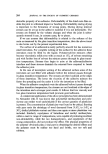
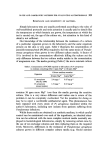
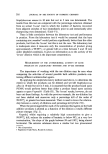
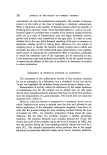
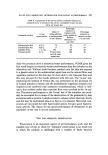
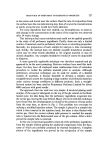
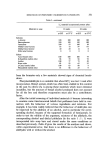
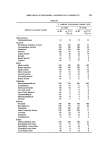
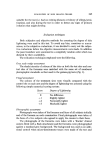
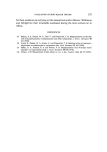
BEHAVIOUR OF PERFUMERY INGREDIENTS IN PRODUCTS 331 Table I--continued material incorporated present after: Material in soap 12 weeks 24 weeks at RT at 37øC at RT at 37øC Ketones •t-Ionone 100 100 100 100 Benzophenone 100 100 100 100 Jasmalone 100 93 100 89 Methyl nonyl ketone 83 75 79 64 Methyl hexyl ketone 40 20 14 0 Ethyl amyl ketone 0 0 0 0 Ethers Amyl benzyl ether 100 100 100 79 [3-Naphthyl methyl ether 94 79 96 78 Anther 100 77 73 58 Rose oxide 83 52 65 35 p-Cresyl methyl ether 100 63 80 9 Phenylethyl methyl ether 53 44 25 9 from the formates only a few materials showed signs of chemical break- down. Phenylacetaldehyde is so unstable that about 60•o was lost 1 week after incorporation. Benzyl acetate, which has often been studied in this context in the past by others (3), is among those materials which show chemical instability, but the amount of benzyl alcohol produced does not account for all the loss and therefore evaporation must also be a contributory factor. After the initial screening of individual materials it became interesting to examine some time-honoured beliefs that perfumers have held in con- nection with the behaviour of various ingredients and mixtures. For example, it has been widely believed that the behaviour of aldehydes can be improved by the addition of an alcohol, and in particular the corre- sponding alcohol, because of the supposed formation of hemiacetals. In order to test the validity of the argument, mixtures of the aidehyde, the corresponding alcohol and diethyl phthalate (in the ratio 1: 1: 1) were incorporated into soap bars and stored under the same conditions as described previously. Table H gives the results of the analyses and shows, within experimental error, that there is no difference in the behaviour of aldehydes with or without the alcohol.
Purchased for the exclusive use of nofirst nolast (unknown)
From: SCC Media Library & Resource Center (library.scconline.org)