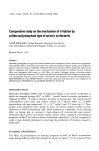
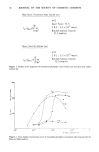
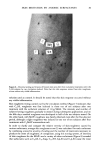
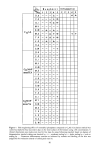
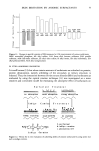
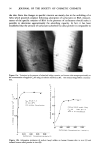
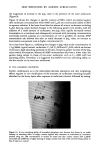
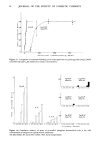
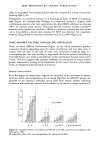
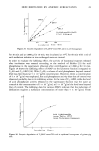
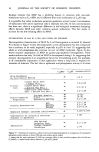
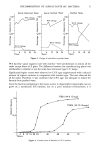
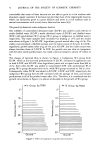
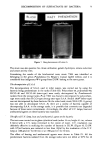
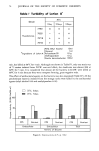
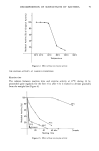
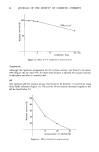
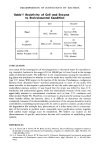
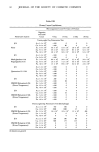
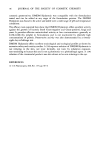
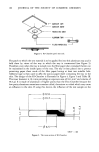
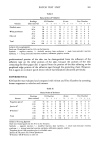
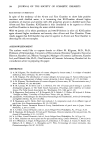
60 JOURNAL OF THE SOCIETY OF COSMETIC CHEMISTS IONIC NON-IONIC CUMULATIVE - Surfactant--•% ß • Epidermis Dermis k Impairment in the o•••k ar r ier functi Capillary I ,,1.* / OoOoOoOoOoOoOo Ac cumu 1 at ion •'• I] • [ Horny Layer ß ß ROughened Horny Layer Inflammation Figure 20. Possible mechanisms of non-allergic irritation caused by various surfactants, depending upon how they come in contact with the skin. Ionic surfactants cause impairment in the barrier function of horny layers by the capacity to denature protein, leading to the initiation of irritation. In the case of less contact concentration of surfactants with the skin accumulation of surfactant molecules remaining adsorbed on the surface of the skin is required for the breakdown of the barrier function of the horny layers which first results in skin roughness considered prerequisite for the further occurrence of primary irritation. On the other hand, since non-ionic surfactants have no ability to denature keratin protein, the irritation depends on its permeability based on the Fick's rule through horny layers. 1.5 1 0.5 2 1.0 g/lOOml 3 1.5 123 123 1 23 123 C8 C10 C12 C14 •--A S ' 123 ES 123 123 123 123 C10 CI2 C14 C 16 •-M A P• Figure 21. Liberation of sulfhydryl group from bovin skin powder (BSP) following incubation for 1.5 hr with monoalkyl phosphate and C•:AS.

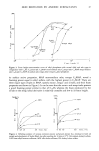
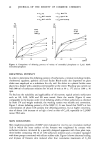
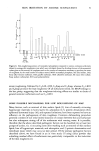
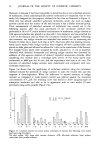
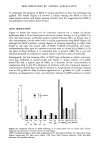
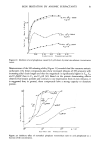
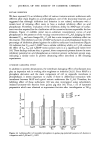
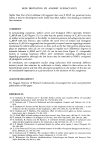
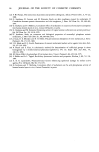
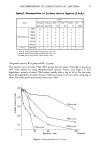
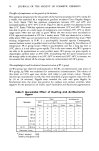
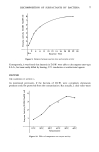
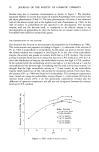
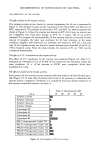
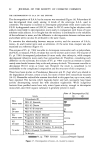
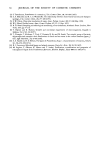
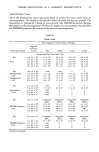
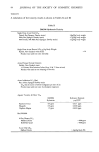
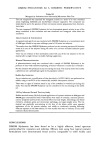
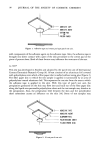
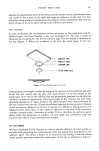
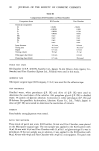
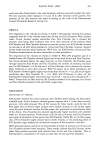
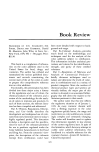
SKIN IRRITATION BY ANIONIC SURFACTANTS 61 0 0.05 0.10 0.15 0.20 0.25 Substrate Concentration(M) Figure 22. Inhibition of acid phosphatase caused by C•2AS shown by initial rate-substrate concentration curves. Measurement of the SH releasing ability (Figure 21) revealed that like common anionic surfactants (15), these compounds also show increased releases of SH amounts with increasing alkyl chain length and that the magnitude is significantly higher in and C•6MAP than in C•2 and C•4AS (16). Based on the protein denaturating effects observed for keratin powder and contrary to our expectation from its low irritancy, it is suggested that, in general, these compounds have a strong capacity to denature protein. 1001 t i 1• 4 1• 3 I• 2 g / ml 5O •o Sur fact ant Concentration Figure 23. Inhibitory effect of monoalkyl phosphate monosodium salts on acid phosphatase as a function of the concentration.
Purchased for the exclusive use of nofirst nolast (unknown)
From: SCC Media Library & Resource Center (library.scconline.org)