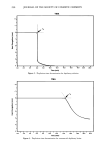
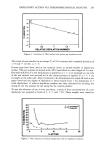
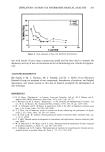
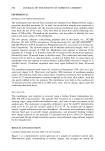
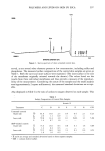
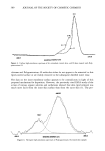
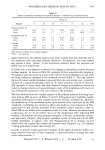
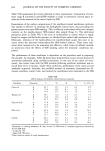
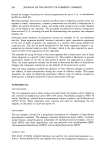
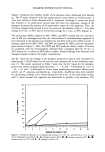
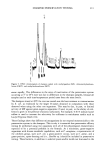
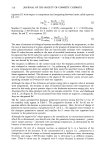
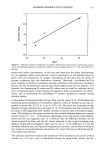
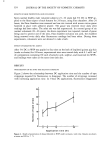
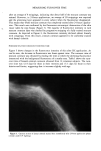
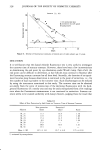
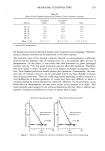
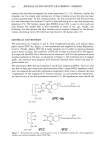
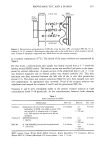
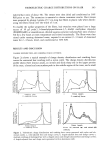
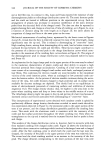
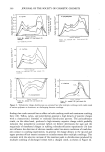
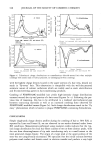
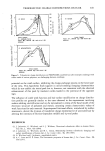
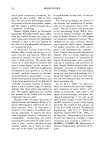
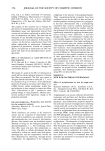
SHAMPOO PRESERVATIVE TESTING 313 Figure 5. HPLC chromatogram of shampoo spiked with methylparaben (MP), chloromethylisothiazo- linone (CMIT), and methylisothiazolinone (MIT). aureus rapidly. The differences in the rates of inactivation of the preservative system occurring at 3 ø to 49øC were not due to differences in the shampoo samples, because all samples used at each time/temperature period came from the same bottle. The shampoo stored at 49øC for over one month was the least resistant to contamination by E. coli, as evidenced by the larger D-values obtained in comparison with those observed when using the other test organisms. This may be due, in part, to limited activity of MP against gram-negative organisms (2) and, in part, to the ability of coli- forms to grow in the presence of anionic surfactants. For example, 0.0 ! % sodium lauryl sulfate is used to increase the selectivity for coliforms in enrichment media such as Lauryl Tryprose Broth (16). These findings show that different microorganisms do not respond monotonically to the preservative system in the shampoo. This is why it is essential that preservative efficacy testing be performed using test organisms with all of the physiological characteristics expected to be a potential problem in the formula. As a minimum, gram-negative organisms with diverse metabolic capabilities, such as P. aeruginosa, a representative of the coliform group, such as E. coli, a gram-positive coccus, such as S. aureus, and a gram-positive, spore-forming rod (i.e., Bacillus sp.) should be included in preservative testing. These bacteria, in addition to selected yeasts and/or molds not discussed in the

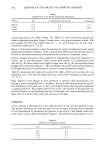
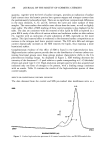
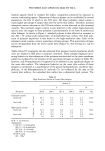
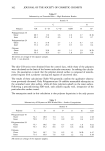
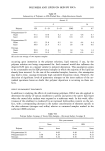
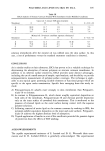
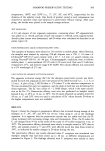
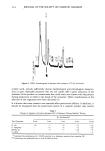
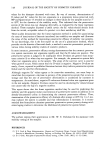
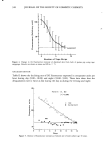
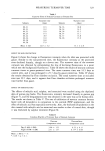
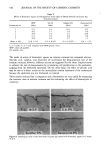
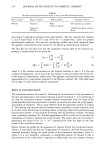
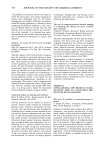
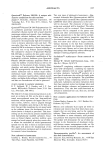
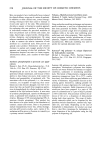
314 JOURNAL OF THE SOCIETY OF COSMETIC CHEMISTS Figure 6. HPLC chromatogram of shampoo after storage at 3øC for 18 months. current work, provide sufficiently diverse morphological and physiological character- istics to give reasonable assurance that the test results offer a good indication of the resistance of the product to contaminants that could come into contact with the product during production or while in the hands of the consumer. Other considerations in the selection of test organisms have been discussed (2). It is known that some cosmetic raw materials affect preservative efficacy. In addition, it should be recognized that the preservative system of a cosmetic product may involve Table I Change in Apparent Activation Energies (Ea') of Shampoo During Stability Testing Ea' (Kcal/mole)* Test Organism 0 mo 1 mo 3 mo 6 mo 12 mo E. coli -** -7 -9 - 1! - 16 P. aeruginosa - - 6 - 6 - 9 - 10 Bacillus sp. - - 4 - 3 - 10 - 9 S. aureus .... 2 - 4 * Calculated by substitution of 2. 303/D-value for k in Arrhenius equation (see equation {3}). ** Calculation not performed due to lack of sufficient data.
Purchased for the exclusive use of nofirst nolast (unknown)
From: SCC Media Library & Resource Center (library.scconline.org)