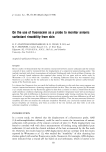
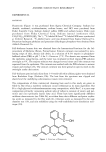
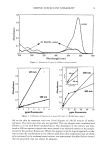
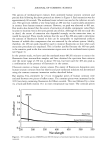
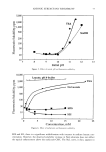
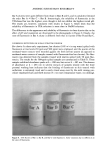
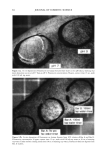
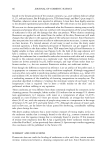
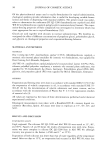
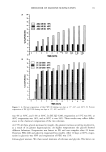
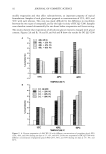
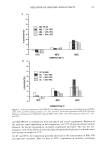
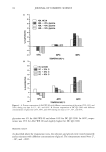
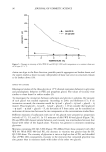
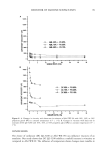
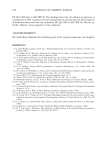
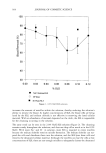
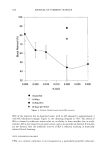
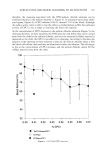
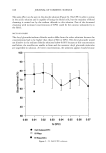
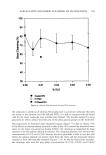
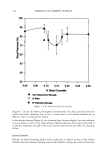
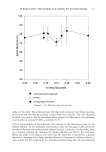
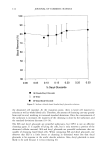
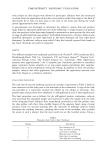
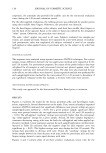
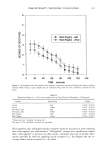
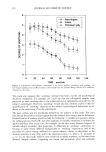
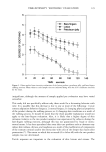
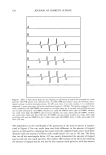
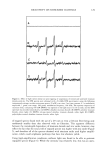
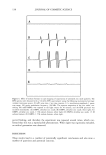
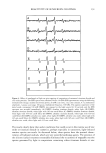
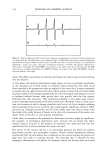
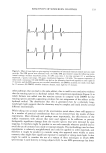
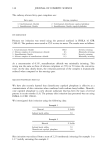
84 JOURNAL OF COSMETIC SCIENCE .v. ß ,,, pH 9 pH 7 Figure 12a. In vivo deposition of fluorescein on human forearm from water at two pH values, showing that more deposition occurs at pH 7 than at pH 9. Fluorescein concentration 50 ppm, contact time 15 sec, wash with 100 ml tap water. .: "Bar B: 100ml ß . --•. tap water rinse ß ,, ., Bar A: 100ml tap water rinse " Bar A: 30 sec tap water rinse Figure 12b. In vivo deposition of fluorescein on human forearm from 10% slurries of Bar A and Bar B. Fluorescein concentration 50 ppm, contact time 15 sec, wash with 100 ml tap water or 30 sec of running tap water. Under realistic rinsing conditions (30 sec of running tap water), fluorescein does not deposit from Bar A slurries.

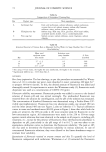
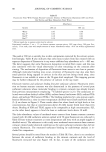
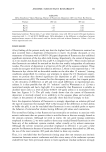
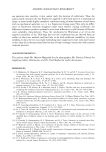
ANIONIC SURFACTANT RINSABILITY 85 Table IVb Delta Absorbance Values Showing Absence of Fluorescein Deposition (485 nm) From Bar Slurries Product 280 nm 485 nm Bar A 0 0.01 Bar B 0.05 0.02 Bar C 0 0.01 Experimental conditions: Porcine skin, 15-sec lather treatment, rinse with 100 ml water (260-ppm hardness), extraction with 2 x 10 ml 80:20 MeOH:water. Delta absorbance is the difference in absorbance between methanol:water extracts of skin treated with bar slurries with and without fluorescein. Values 0.0• are within experimental error. DISCUSSION A key finding of the present study was that the highest level of fluorescein retained on skin occurred from a dispersion of fluorescein in water. As already discussed, in vivo treatments of forearms with a 0.005% (50 ppm) dispersion of fluorescein also exhibited significant retention of the dye after mild rinsing. Importantly, the extent of deposition in in vivo studies was found to be less at pH 9.2 compared to pH 7. These results indicate that fluorescein can indeed be retained on the skin but totally independent of surfactant residue. The extent of deposition is a function of the pH of the aqueous solution. These results do not agree with those described in reference 2, where it was reported that a "1% fluorescein dye solution left no detectable residue on the skin after 15 minutes" (rinsing conditions unspecified). In contrast, our attempts to repeat the 1% fluorescein experi- ments on porcine skin showed significant dye deposition at pH 5 and measurable deposition even at pH 8. The reasons for this discrepancy are unclear, but it again points to the criticality of differences in pH and even small differences in experimental pro- cedures. It is thus possible that the 1% "solution" used by Wortzman et al. (2) was a neutralized sample and had a high pH. It is noteworthy that fluorescein is soluble in distilled water only to a level of about 0.002% (20 ppm) unless it is neutralized with base (see Figures 5-7). The pH study dearly shows that the extent of fluorescein deposition is inversely related to its solubility in the aqueous phase and actually de- creases in the presence of surfactants, especially those that bind strongly to skin. Since the deposition behavior of fluorescein is strongly dependent on solution pH and the type of counterion (for example TEA vs Na because of the differences in their ability to buffer the pH), it can be concluded that fluorescein is not a suitable probe to report the behavior of solutions/bar slurries having different pH values and counterions. The second key finding is that fluorescein has essentially no tendency to associate with anionic surfactants that are present either in miceliar form or that are strongly bound to the stratum corneum. Although we tried to mimic the very gentle rinsing conditions employed in reference 2, we were unable to detect any residual bound fluorescein in vitro from any of the surfactant systems studied, either visually or by solvent extraction. Although the solvent extraction procedure employed in reference 2 can give a false positive for fluorescein because of extraction of skin components that adsorb at 280 nm, the use of the most sensitive 485 peak also failed to show any residue. Thus, it is concluded that the fluorescein rinsing assay does not measure any intrinsic interaction between anionic surfactants and skin since many of the surfactant systems studied here have been previously shown to leave significant residual surfactant strongly
Purchased for the exclusive use of nofirst nolast (unknown)
From: SCC Media Library & Resource Center (library.scconline.org)