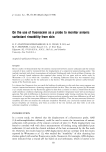
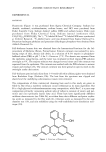
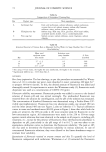
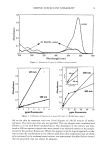
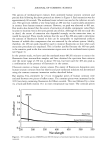
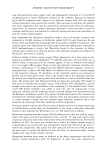
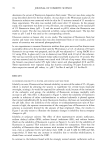
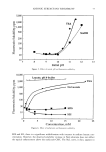
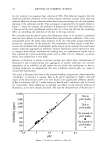
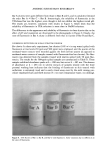
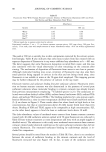
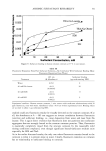
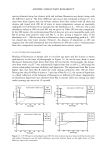
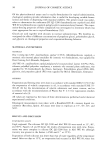
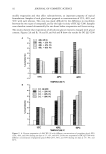
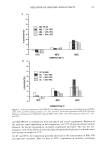
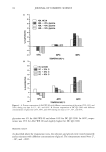
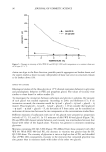
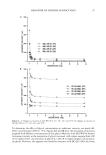
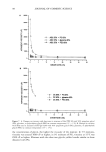
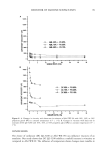
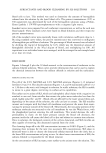
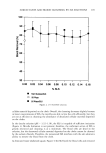
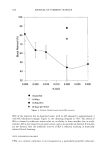
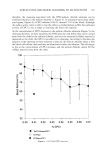
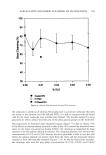
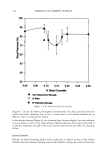
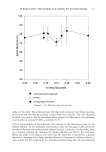
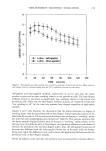
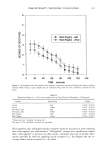
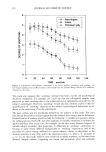
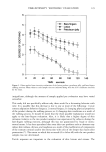
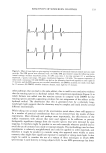
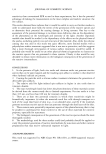
TIME-INTENSITY "SOOTHING" EVALUATION 119 i _ • Lotion - self-applied --a-- Lotion - other-applied 0 20 40 60 80 100 120 140 TIME seconds Figure 1. Self-applied and other-applied time-intensity evaluations of the lotion product. Mean values at each sample time are indicated along with the 95% confidence intervals for the mean. self-applied and other-applied methods, respectively. It can be seen that the lotion product is perceived as more soothing relative to the petroleum jelly. The bare-fingers rubbing motion is perceived as significantly less soothing relative to the lotion and petroleum jelly. Note that the bare-fingers rubbing motions are evaluated as basically "not soothing at all" by the time two minutes have elapsed regardless of application method. Figures 4 and 5 also illustrate the observation that the lotion maintains its degree of soothing better than the petroleum jelly or bare fingers. Linear regression analysis of the data from 20 seconds to 120 seconds provided slopes (rate of change in "soothing" rating per time) for each sample/application method (see Table II). This analysis indicates that the lotion samples displayed slower rates of decrease in "soothing" rating relative to the decrease rates of petroleum jelly or bare fingers no significant differences were observed between the petroleum jelly and bare-fingers slopes. Also, the self-applied lotion rate of decrease was different from the other-applied lotion rate of decrease, with the former being more rapid. No differences were seen between the application method rates for the petroleum jelly or bare-fingers samples. Of the 20 subjects, none used skin care products such as moisturizers or lotions daily or

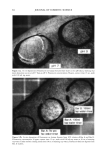
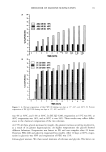
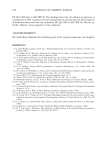
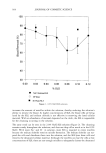
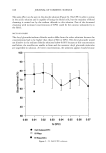
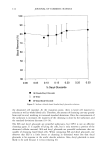
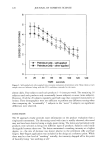
120 JOURNAL OF COSMETIC SCIENCE i i i T --•-- Petroleum jelly - self-applied • Petroleum jelly - other-applied 0 20 40 60 80 100 120 140 TIME seconds Figure 2. Self-applied and other-applied time-intensity evaluations of petroleum jelly. Mean values at each sample time are indicated along with the 95% confidence intervals for the mean. almost daily. Four subjects used such products 1-3 times per week. The remaining 16 subjects used such products only occasionally (seven subjects) or never (nine subjects). However, 18 of the 20 subjects regularly used bath soap that contained moisturizers or lotions. These demographics were not sufficient to perform any difference testing other than comparing the "occasionally" 7 subjects to the "never" 9 subjects no significant differences were observed. DISCUSSION The TI approach clearly provides more information on the product evaluation than a single-point assessment. The decreasing trend with time is readily observed this trend may not have been detected using a single-point rating. The lotion and petroleum jelly products were selected as being two different types of products. Subjects could easily distinguish between these two. The lotion maintained a soothing intensity at a higher degree, i.e., the rate of decrease was slower relative to the petroleum jelly and bare fingers. Bare-fingers application was included in the design as a reference point. While there may be a low level of "soothing" initially, the intensity dropped off to the point of basically being "not soothing at all."
Purchased for the exclusive use of nofirst nolast (unknown)
From: SCC Media Library & Resource Center (library.scconline.org)