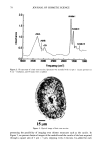
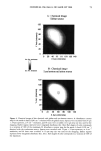
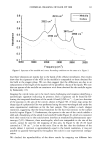
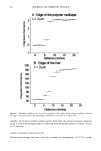
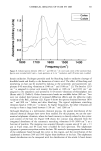
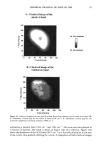
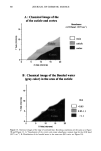
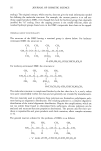
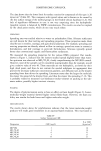
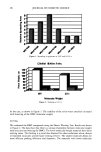
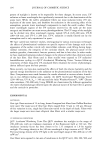
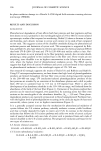
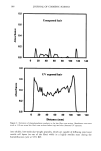
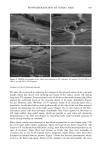
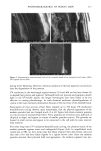
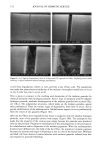
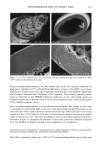
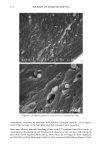
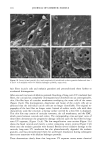
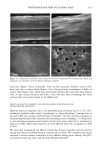
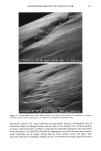
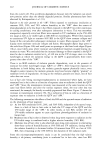
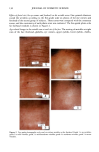
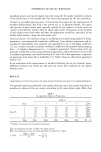
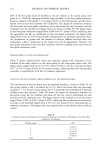
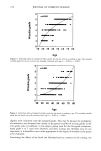
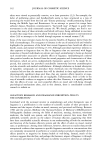
114 JOURNAL OF COSMETIC SCIENCE Figure 8. a,b: Melanin granules in cross sections of untreated hair fibers. subsequently subjected to treatment with alkaline hydrogen peroxide, reveal signifi- cantly more damage to the hair fiber than had originally been suspected. Short-term alkaline peroxide bleaching of long-term UV-irradiated hair fibers results in instantaneous disintegration and dissolution of elements of the cuticular cells, fusing the hair fibers firmly together. After drying, these fibers can no longer be freely separated, and forcefully pulling them apart results in their tearing and fibrillation (Figure 12a,b).

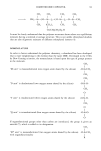
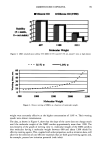
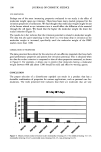
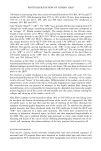
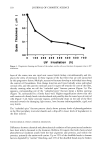
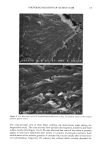
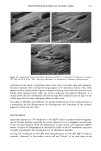
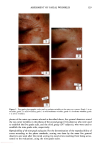
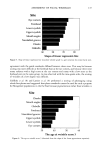
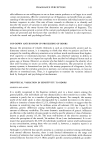
PHOTODEGRADATION OF HUMAN HAIR ! ! 5 "6"K ' i :" ' ß . 2•.' ,•B. .. Figure 9. a,b: After long-term UV-irradiation/humidification cycling, the physical nature of the melanin granules appears intact. The cross-sectional view of these fibers confirms the observations made during the longitudinal study. The cross sections show partially disintegrated, dissolved, and fused surface cuticle cells (Figure 12c,d). We also observed that some of the melanin granules appear to have been solubilized after merely 15 minutes of peroxide treatment. Such solubilization of the melanin granules in untreated hair occurs usually after several hours (4 h) of bleaching. Long-term UV exposure has, without doubt, severely degraded the
Purchased for the exclusive use of nofirst nolast (unknown)
From: SCC Media Library & Resource Center (library.scconline.org)