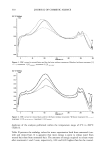
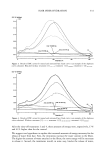
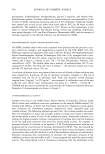
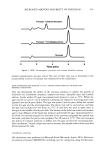
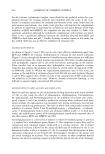
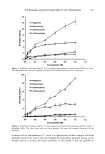
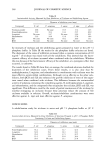
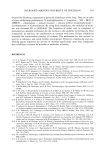
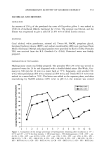
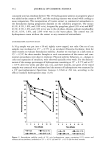
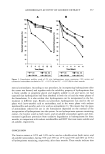
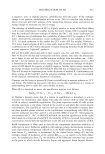
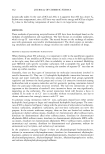
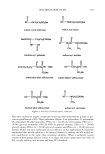
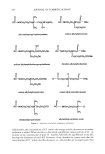
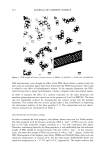
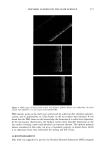
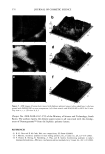
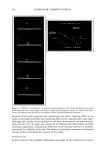
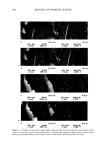
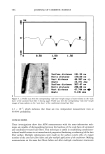
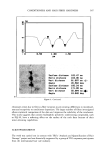
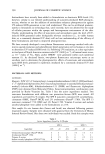
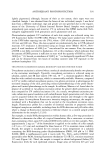
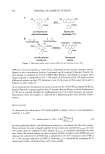
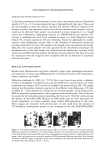
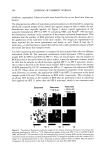
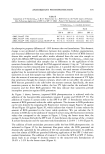
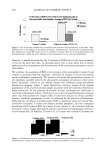
586 JOURNAL OF COSMETIC SCIENCE • nM Suroeace distance Hori= distance Ueet distance •ngle Su•oeace distance Hoeiz distance Uevt distance Angle 191,35 nM 179. $9 nM 49 397 nM 4• ...... 15.371 de9 307.47 nM Z9S. 88 n• 47. 744 n'n •- 9.13S aeg Figure 4. a: Profile scan with the corresponding "real-time" height images of nano-indents on the "scale faces" of the untreated hair fiber. b (facing page): Profile scan with the corresponding "real-time" height images of nano-indents on the "scale faces" of the conditioner-treated hair fiber. 4.2 x 10 -9, which indicates that these are two independent measurement rows at 99.99% probability. CONCLUSIONS These investigations show that AFM measurements with the nano-indentation tech- nique are capable of distinguishing between the hardness of the scale faces of untreated and conditioner-treated hair fibers. This technique is useful in establishing conditioner- induced modifications in micromechanical properties (hardening or softening) of the hair fiber surface. Multiple indentations were made on the surface cuticle cells of a larger number of the same hair fibers before and aj%r multiple applications of the conditioner. Making measurements on the same hair fibers before and after multiple conditioner treatments

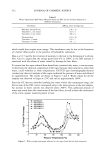
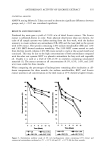
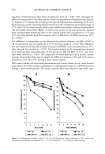
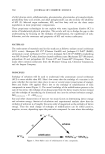
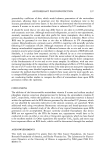
CONDITIONERS AND HAIR FIBER HARDNESS 587 • 0 0.50 1.00 1.50 Hori= Sisrance Su•oeace distance Horiz distance Uert distance Angle 182.47 nM 184.08 20.582 deg 185.24 n• 171.88 nN 55.984 18.042 deg Figure 4. Continued. eliminates errors due to fiber-to-fiber variation in pre-existing differences in microhard- ness and receptivity to conditioner deposition. The larger number of fibers investigated allows statistical comparison of the data and improves the reliability of the conclusion. This study suggests that cationic hydrophilic polymeric conditioning compounds, such as PQ-10, have a softening effect on the surface of the scale faces because of their water-retaining capabilities. ACKNOWLEDGMENTS The work was carried out in context with TRI's "Analysis and Quantification of Hair Damage" project and was financially supported by a group of TRI corporate participants from the international hair care industry.
Purchased for the exclusive use of nofirst nolast (unknown)
From: SCC Media Library & Resource Center (library.scconline.org)