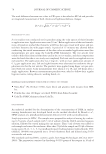
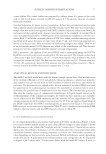
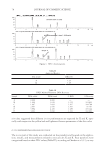
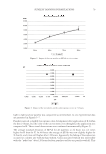
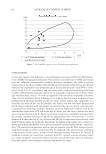
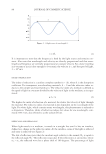
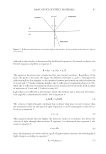
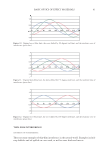
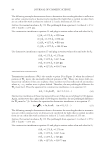
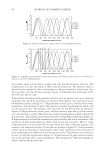
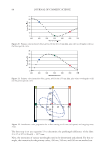
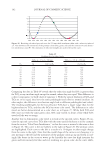
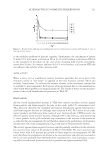
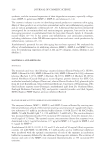
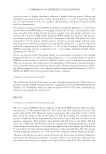
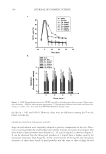
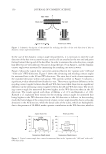
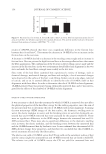
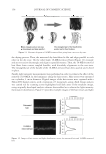
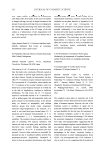
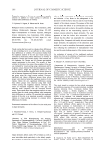
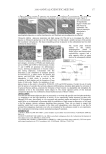
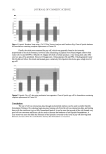
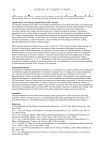
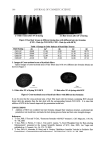
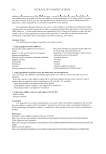
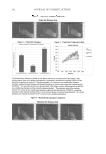
JOURNAL OF COSMETIC SCIENCE 90 cases. One, when the phase shift is 0 degrees, which results in the maximum amplitude of 2, is referred to as the condition of constructive interference. The other, when the phase shift is 180 degrees, which results in an amplitude of 0, is referred to as the condition of destructive interference. All other phase shifts result in partial interference, with ampli- tudes ranging between 0 and 2. Figure 7. Original wave (blue line) compared to the wave shifted by 180 degrees (red line). Figure 8. Original wave (blue line), the wave shifted by 0 degrees (red line), and the resultant wave of inter- ference (green line). Figure 9. Original wave (blue line), the wave shifted by 45 degrees (red line), and the resultant wave of in- terference (green line).

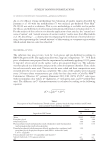
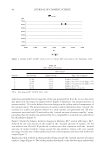
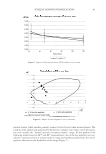
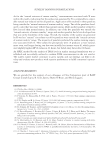
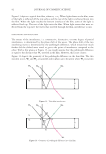
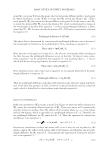
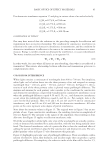
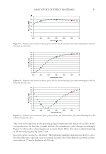
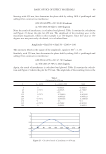
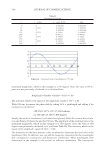
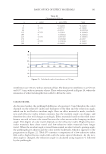
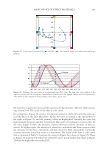
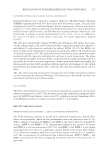
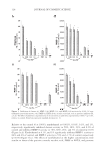
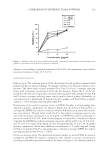
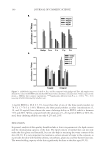
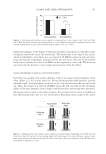
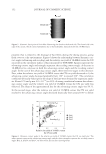
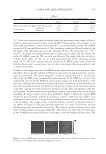
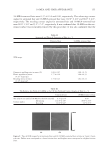
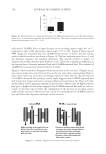
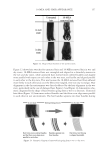
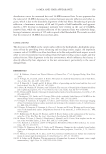
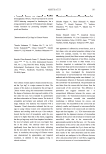
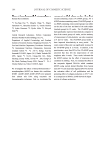
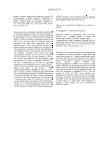
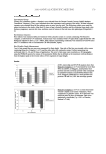
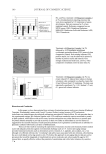
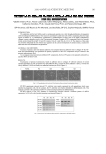
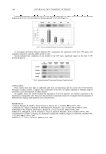
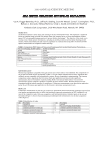
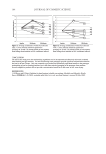
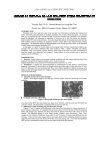
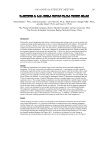
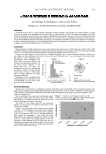
BASIC OPTICS OF EFFECT MATERIALS 91 THIN-FILM INTERFERENCE GEOMETRY OF INTERFERENCE There are many examples of thin-fi lm interference in the natural world. Examples include soap bubbles and oil spilled on a wet road, as well as some birds and insects. Figure 11. Original wave (blue line), the wave shifted by 135 degrees (red line), and the resultant wave of interference (green line). Figure 12. Original wave (blue line), the wave shifted by 180 degrees (red line), and the resultant wave of interference (green line). Figure 10. Original wave (blue line), the wave shifted by 90 degrees (red line), and the resultant wave of interference (green line).
Purchased for the exclusive use of nofirst nolast (unknown)
From: SCC Media Library & Resource Center (library.scconline.org)