JOURNAL OF COSMETIC SCIENCE 134 has been the favorite choice of the “imperial family” for beauty treatment and health care, and still, people consider the pearl as a symbol of beauty, youth, and eternity, and have great esteem for it. Pearl powders ground from natural pearls are considered pure products and are used for beauty treatment and health care (internal or external). They are rich in nutrients and mainly contain the following ingredients: calcium carbonate (CaCO3), proteins stimulat- ing cell regeneration, nearly 20 kinds of amino acids, some trace elements (1,2), and conchiolin. Conchiolin is the general designation for organic substances contained in shells and pearls, and they endow pearls with their beauty and health-care effi cacy (3). In 1905, Mikimoto Kokichi, from Japan, called the “father of pearl breeding,” was the fi rst to successfully breed a pearl in seawater. In 1940, when “outer membrane nucleus insertion technology” was developed (4), freshwater pearl-breeding industries emerged at a tremendous pace. In 1968, nucleus insertion technology was promoted and improved, providing favorable conditions for the development of freshwater pearl-breeding indus- tries. Before its use, water-soluble pearl powder (P-w) receives biotechnical treatment. In gen- eral, acid (most frequently lactic acid) or enzyme is used to turn the CaCO3, which is insoluble, into soluble calcium lactate in pearl powders. Insoluble components are dis- carded, and the water-soluble products are obtained through recrystallization. As these products are soluble, they are conveniently absorbed both internally and externally by the human body. Compared with traditional pearl powders, nano pearl powder is ground to microscopic dimensions. These molecules are small, which enables high-effi ciency absorption. Evaporation of moisture from human skin mainly proceeds through noninductive evapo- rating excretion, sweating, and external factors. Noninductive evaporating excretion is mainly through epidermal water loss (i.e., transepidermal water loss [TEWL]). TEWL measures skin barrier function high loss of water from the skin implies lower stratum corneum water-holding capacity. Using moisturizing cosmetics, the water-holding ca- pacity of the stratum corneum can be improved, and loss of water from the skin itself can be reduced. The hydration state of the skin is used to evaluate the water content of the skin surface and the water-holding capacity of the skin. In the epidermis, pigmentation is due to an excess of melanin. Tyrosinase is a rate-limit- ing enzyme used for the ultimate formation of melanin. Therefore, it is possible for tyro- sinase depressors to reverse abnormal pigments and to be used as a skin whitener (5). Reactive oxygen species (ROS), such as superoxide anion, hydroxyl radicals, and hydro- gen peroxide, are chemically reactive molecules derived from oxygen. They are by-prod- ucts produced in living organisms through many metabolic pathways. Formation of excessive free radicals in the human body can damage proteins, lipids, cell membranes, nucleic acids, and cells. Damage produced by free radicals can accumulate in the human body, which may cause aging, cancers, cardiovascular disease, Alzheimer’s disease, and Parkinson’s disease. Natural antioxidants in the daily diet can bind to unstable free radi- cals in the human body and protect the body from the damage caused by active oxygen as well as by oxidation due to other free radicals (6,7). Consequently, antioxidants that can neutralize direct ROS attacks and terminate free radical-mediated oxidative reactions would have benefi ts in protecting the human body from such diseases (8).

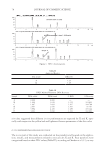
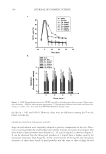
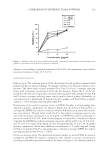
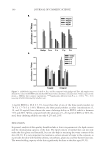
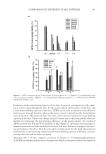
COMPARISON OF DIFFERENT PEARL POWDERS 135 In recent years, people have bred freshwater pearls as a substitute for natural pearls that occur in seawater. They have also developed water-soluble pearl (P-w) as well as ultra- micro (P-μ) and ultra-nano pearl powder (P-n) products, which have appeared in the cosmetics, health care, and medicine markets. However, there have been no scientifi c data to verify the effi cacy of these products until now. In this study, the P-w, P-μ, and P-n products were compared using moisturizing effi ciency analysis, a tyrosinase blocking test, and multiple tests for oxidation resistance. MATERIALS AND METHODS CHEMICALS Ascorbic acid (L-Vit. C), butylated hydroxyanisole (BHA), 1,1-diphenyl-2-picrylhydrazyl (DPPH), ethylenediaminetetraacetic acid (EDTA), ferrous ammonium sulfate, ferrozine, tyrosine, and tyrosinase were purchased from Sigma Chemical Co. (St. Louis, MO). Ferric chloride, iron chloride, potassium ferricyanide, potassium hydroxide, sodium carbonate, sodium phosphate, sodium sulfate, and trichloroacetic acid were purchased from Wako Pure Chemical Industries, Ltd. (Tokyo, Japan). Dimethylsulfoxid (DMSO) was obtained from Germany. One percent sodium hyaluronate (Hya) was obtained from Union Chemical Works (Tainan, Taiwan). Arbutin and seaweeds were obtained from SETALG® (France), whereas Spiraea formosana hayata powder, ginkgo powder, taraxacum powder, and Angelica dahurica powder were purchased from an herbal market in Taiwan. MATERIALS (a) The P-w and the P-μ (sieve size = 8000) were purchased from an important freshwa- ter pearl-breeding center in Zhejiang, China. (b) The P-n was purchased from Qing Dynasty Medicine King Tongrentang of Taiwan. It was examined by Elements Bio-tech Co., Ltd. with an atomic force microscope, and the results showed that the particle diameter was 117.1 ± 19.5 nm on average. (c) Spiraea formosana hayata (Spi) powders, produced by grinding, were diluted to 10 mg/ ml. In traditional Chinese medicine, Spiraea species have been used as detoxifying, analgesic, and anti-infl ammatory agents (9). These were used as a negative comparison for humidifi cation in this assay. (d) Hya, a high-molecular-weight glycosaminoglycan of the extracellular matrix of skin, also contributes to the hydration of skin and is a natural moisturizing factor (10). (e) Ginkgo powders were produced by grinding ginkgo. The superoxide-scavenging ef- fect and the antioxidant activity of the ginkgolides were adopted as a control in the antioxidant activity assays (11). (f ) Taraxacum (Tara), ground into powder, has been widely used as a folkloric medicine to treat diverse diseases and is also a naturally occurring antioxidant (12). It is used in the antioxidant activity assays as a control. (g) Arbutin, named p-hydroxyphenyl-β-D-glucopyranoside, can be extracted from plants. It is a well-known tyrosinase inhibitor and has been widely used for the whitening of skin (13).
Purchased for the exclusive use of nofirst nolast (unknown)
From: SCC Media Library & Resource Center (library.scconline.org)